


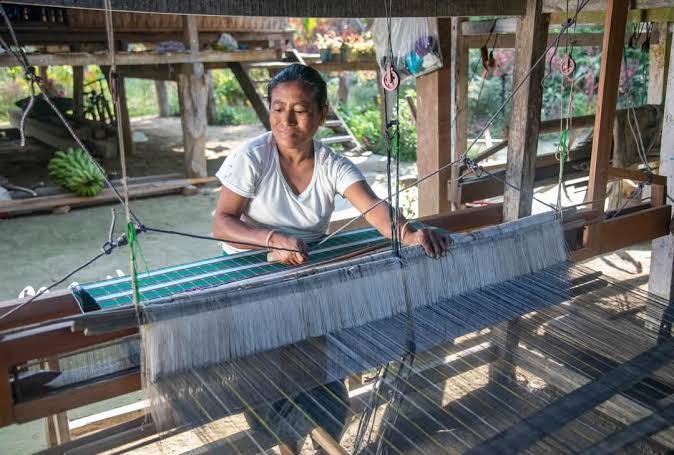
The Tribal Loom Assistance initiative has received a boost after the Tripura Tribal Areas Autonomous District Council (TTAADC) approved financial support packages to preserve indigenous tribal loom practices. The decision aims to strengthen traditional weaving, support artisan livelihoods, and promote the continued preservation of tribal handloom heritage.
Demarcating Contentious Zones: Mizoram-Tripura Talks Focus on Finalising Boundaries
Tribal Loom Assistance Receives TTAADC Approval
The Loom Assistance programme was approved after the TTAADC sanctioned financial support packages for indigenous tribal loom practices. According to the available information, the assistance is intended to help preserve traditional weaving techniques while supporting artisans engaged in the handloom sector.
Indigenous weaving represents an important part of the cultural heritage of tribal communities. Moreover, financial assistance enables artisans to continue practicing traditional craftsmanship while addressing economic challenges.
The latest decision reflects the council’s continued emphasis on protecting tribal cultural traditions. Consequently, support packages have been approved to strengthen the sustainability of indigenous weaving activities.
Although the financial assistance has been approved, officials have not disclosed the total allocation or the number of beneficiaries.
Assistance Supports Traditional Handloom Practices
The Tribal Loom Assistance initiative focuses on preserving traditional handloom techniques that have been passed down through generations. Financial support helps artisans continue producing handcrafted textiles while maintaining established weaving traditions.
Furthermore, preserving indigenous weaving contributes to safeguarding cultural identity and promoting traditional knowledge within tribal communities. Continued institutional support also encourages younger generations to value and sustain these practices.
Traditional handloom activities play an important role in the cultural and economic life of many tribal regions. Therefore, financial assistance remains an important measure for supporting artisans and preserving heritage.
The latest approval demonstrates continued efforts to strengthen indigenous craftsmanship.
Tribal Loom Assistance Encourages Artisan Welfare
The programme also contributes to the welfare of tribal artisans by providing financial backing for traditional weaving activities. Such support helps strengthen livelihoods while encouraging continued participation in the handloom sector.
Moreover, assistance programmes promote the long-term sustainability of indigenous crafts by reducing financial constraints faced by artisans. Continued support also reinforces the role of traditional weaving in local economic development.
Handloom preservation depends on both cultural recognition and practical financial assistance. Consequently, targeted support packages play an important role in maintaining traditional weaving practices.
According to the available information, the TTAADC approved the financial assistance specifically to preserve indigenous tribal loom traditions.
Loom Assistance Reflects Commitment to Cultural Preservation
The Tribal Loom Assistance initiative reflects the TTAADC’s commitment to preserving the rich cultural heritage of tribal communities through sustained institutional support. Protecting traditional weaving practices contributes to maintaining cultural diversity and promoting indigenous craftsmanship.
Furthermore, financial assistance helps create an environment in which artisans can continue practicing their traditional skills while passing their knowledge to future generations. Strengthening the handloom sector also supports broader cultural preservation efforts.
Preserving indigenous crafts remains an important aspect of community development and heritage conservation. Therefore, the latest initiative represents a meaningful step toward supporting both artisans and traditional weaving practices.
The approval highlights continued efforts to protect indigenous cultural traditions through dedicated development initiatives.
Conclusion
The Tribal Loom Assistance programme marks an important initiative by the TTAADC to support indigenous weaving through financial assistance. The decision underscores the importance of preserving traditional tribal loom practices while promoting the welfare of local artisans.
Furthermore, sustained financial support strengthens cultural preservation, encourages traditional craftsmanship, and contributes to the long-term sustainability of the tribal handloom sector. Institutional backing also helps protect valuable indigenous knowledge for future generations.
Overall, the Tribal Loom Assistance initiative reflects a continued commitment to safeguarding tribal heritage while supporting artisan livelihoods through targeted financial assistance. As implementation progresses, authorities are expected to provide further official details regarding the distribution of support packages.
FAQs
1. What is the Tribal Loom Assistance programme?
The Tribal Loom Assistance programme is a financial support initiative approved by the TTAADC to preserve indigenous tribal loom practices.
2. Who approved the financial assistance?
According to the available information, the Tripura Tribal Areas Autonomous District Council (TTAADC) approved the support packages.
3. What is the purpose of the Tribal Loom Assistance initiative?
The programme aims to preserve traditional tribal weaving practices and support the livelihoods of indigenous handloom artisans.
4. Have officials announced the amount of financial assistance?
Based on the available information, authorities have not disclosed the total funding allocation or beneficiary details.
5. Why is preserving indigenous loom practices important?
Traditional weaving helps preserve cultural heritage, supports artisan livelihoods, and protects indigenous craftsmanship for future generations.