


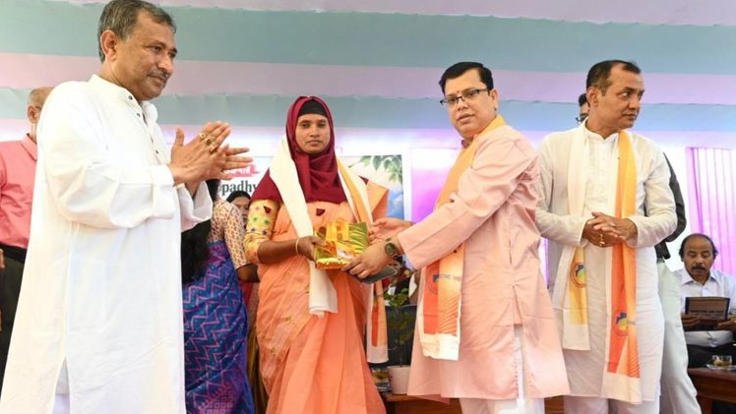
Tripura observed Antyodaya Diwas with a focus on using technology to improve the lives of people in rural and remote communities. The programme highlighted the role of digital tools in expanding access to government services, financial support and development opportunities.
The state observed the day to commemorate the birth anniversary of Pandit Deendayal Upadhyaya. The event also focused on the principle of Antyodaya, which emphasises reaching the poorest and most vulnerable sections of society.
Officials and participants highlighted the need to ensure that technological progress reaches rural households. They said digital services should help people access essential government schemes without having to travel long distances.
Focus on Rural Digital Inclusion
Technology has become an important part of public service delivery in Tripura. Government departments increasingly use digital platforms to provide information, process applications and deliver welfare benefits.
However, rural communities can face challenges in accessing these services. Limited connectivity, lack of digital awareness and inadequate access to devices can create barriers.
Antyodaya Diwas therefore placed emphasis on digital inclusion. The focus was on ensuring that rural residents can use technology to access government programmes and other essential services.
Digital literacy can help people understand online services. It can also reduce their dependence on intermediaries when applying for government benefits.
Taking Government Services Closer to Villages
The initiative seeks to bring public services closer to people living in villages and remote areas.
Digital platforms can help residents access information about welfare schemes, certificates, financial assistance and other government services.
Rural residents can also use digital banking services to receive government benefits directly. This can reduce delays and improve transparency in welfare delivery.
Officials stressed the importance of making these systems simple and accessible. Technology should solve problems for rural residents rather than create additional barriers.
Local service centres and trained personnel can also help people who have limited experience with digital platforms.
Technology and Rural Development
Technology can support rural development in several ways.
In agriculture, farmers can use digital platforms to access weather information, market prices and details about government schemes. Such information can help farmers make better decisions.
Technology can also support education in rural areas. Digital learning platforms can give students access to educational material beyond their local schools.
Healthcare represents another important area. Telemedicine and digital health services can connect people in remote areas with medical professionals.
These applications can reduce the need for people to travel long distances for basic information and services.
Connecting Remote Communities
Tripura has several rural and geographically difficult areas where access to services can remain challenging.
Improving digital connectivity can help bridge this gap. Better internet access can connect rural communities with government departments, banks, educational institutions and healthcare services.
Mobile-based services can also help people access information from their homes.
However, connectivity alone cannot solve the digital divide. People also need affordable devices and basic digital skills.
Training programmes can help rural residents learn how to use online platforms safely and effectively.
Women and Young People Can Benefit
Digital inclusion can create new opportunities for women and young people in rural communities.
Women can use digital platforms to access information about self-help groups, financial assistance and livelihood programmes.
Young people can use technology to learn new skills and explore employment opportunities.
Online learning can also help rural youth gain knowledge in areas that may not be available locally.
Access to digital tools can therefore support both education and economic participation.
Supporting Rural Entrepreneurs
Technology can also help small businesses and rural entrepreneurs.
Local entrepreneurs can use digital payment systems to receive money from customers. They can also use social media and online marketplaces to promote their products.
This can help small businesses reach customers beyond their immediate communities.
Self-help groups can also use digital platforms to promote handicrafts, agricultural products and other locally made goods.
Such opportunities can strengthen rural livelihoods and encourage entrepreneurship.
Digital Literacy Remains Important
The expansion of digital services must go together with digital literacy.
People who are unfamiliar with smartphones, online forms or digital payments may find government platforms difficult to use.
Training at the village level can help address this problem.
Local officials, community organisations and service centres can play an important role in providing assistance.
Digital safety should also form part of such training. Rural residents need to understand basic precautions against online fraud and scams.
Reaching the Last Mile
The central idea behind the Antyodaya approach is to ensure that development reaches those who need it most.
Technology can support this objective when governments use it to improve access to services and opportunities.
For Tripura, the challenge lies in reaching the last mile. Digital initiatives need to reach villages, remote settlements and communities that may have limited access to technology.
Government programmes must therefore combine digital infrastructure with awareness and local support.
Tripura’s Push for Inclusive Development
The focus on technology during Antyodaya Diwas highlights the growing role of digital tools in rural development.
Technology can make government services more accessible. It can also support education, healthcare, agriculture and rural businesses.
At the same time, digital inclusion requires more than internet connectivity. Affordable devices, reliable networks, digital literacy and local assistance remain important.
By focusing on rural communities, Tripura is seeking to ensure that technological progress benefits people across the state. The broader objective is to use technology as a tool for inclusive development and to bring essential services closer to those living in remote and underserved areas.