


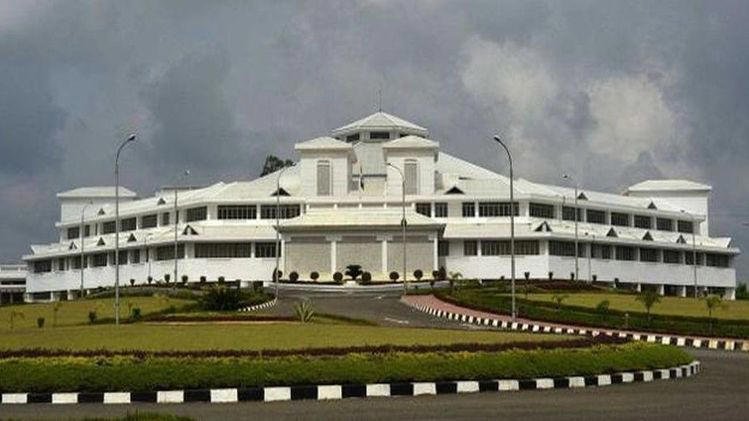
The Tripura Legislative Assembly will convene a one-day session on April 30, drawing attention across the state’s political landscape. The upcoming sitting is expected to be brief but significant, as the government is likely to introduce and pass an important bill during the proceedings.
Officials have indicated that preparations are already underway to ensure the smooth conduct of the session. Although the duration is limited, the agenda holds considerable weight. Therefore, both ruling and opposition members are gearing up for focused discussions and debates.
This Tripura Assembly one-day session comes at a time when legislative priorities are evolving rapidly. Consequently, the government aims to push forward key policy measures without delay.
Read More: Political turmoil after Kharge’s remarks on PM Modi
Key bill likely to dominate proceedings
The central highlight of the Tripura Assembly one-day session will be the introduction of a crucial bill. While authorities have not officially disclosed all details, sources suggest that the proposed legislation could address an important administrative or developmental issue.
The government is expected to present the bill early in the session. Following that, lawmakers will deliberate on its provisions before moving toward its passage. Given the limited time frame, discussions are likely to be concise yet impactful.
Moreover, the ruling party holds a comfortable majority in the assembly. As a result, the bill is expected to pass smoothly unless unexpected opposition arises. However, opposition members may still raise concerns or demand clarifications on specific aspects.
This legislative move reflects the government’s intent to act decisively. It also highlights the importance of efficient governance, especially when time constraints exist.
Political reactions and expectations
Political reactions to the Tripura Assembly one-day session have started to emerge. Leaders from the ruling party have expressed confidence in the proposed bill. They argue that it will contribute to the state’s development and administrative efficiency.
On the other hand, opposition parties have adopted a cautious stance. They have emphasized the need for transparency and detailed discussion. According to them, even a one-day session must allow adequate time for scrutiny.
Despite differing viewpoints, both sides acknowledge the importance of legislative processes. Therefore, the session is expected to witness constructive debates rather than prolonged confrontations.
Additionally, political observers believe that the outcome of this session could influence future policy decisions. A smooth passage of the bill may strengthen the government’s position, while strong opposition could shape upcoming discussions.
Focus on governance and policy implementation
The Tripura Assembly one-day session underscores the government’s focus on governance and policy implementation. Short sessions are often used to address urgent matters that require immediate legislative approval.
In this case, the government appears determined to expedite the process. By organizing a one-day sitting, it aims to minimize delays while ensuring that necessary procedures are followed.
Furthermore, such sessions demonstrate the flexibility of legislative bodies. They can adapt to specific needs and timelines without compromising their core functions. This approach is particularly useful when urgent decisions are required.
The upcoming session also highlights the role of lawmakers in shaping the state’s future. Even within a limited timeframe, their discussions and decisions carry long-term implications.
Administrative preparations and security arrangements
Authorities have taken several steps to prepare for the Tripura Assembly one-day session. Administrative teams are coordinating logistics to ensure that all arrangements are in place.
Security measures have also been strengthened around the assembly premises. This is a standard practice for legislative sessions, especially when important bills are on the agenda. Officials aim to maintain a safe and orderly environment throughout the proceedings.
In addition, staff members have been briefed on the schedule and responsibilities. This ensures that the session runs efficiently without unnecessary interruptions.
Such preparations reflect the importance of even a short legislative sitting. Every detail must be managed carefully to achieve the desired outcomes.
Broader implications for Tripura’s political landscape
The Tripura Assembly one-day session may appear brief, but its implications extend beyond a single day. The passage of a key bill can influence governance, policy direction, and public perception.
For the ruling government, this session offers an opportunity to demonstrate efficiency and commitment. Successfully passing the bill could reinforce its development agenda.
Meanwhile, the opposition can use the platform to voice concerns and hold the government accountable. Even in a short session, their participation plays a crucial role in maintaining democratic balance.
Moreover, the session reflects the dynamic nature of state politics. Decisions taken during such sittings often shape future legislative priorities. Therefore, all stakeholders are likely to approach the session with seriousness and focus.
Looking ahead to the April 30 session
As April 30 approaches, attention remains firmly on the Tripura Assembly. Lawmakers, officials, and citizens alike are keen to see how the session unfolds.
The government’s ability to manage discussions and secure the bill’s passage will be closely watched. At the same time, the opposition’s response will add depth to the proceedings.
In conclusion, the Tripura Assembly one-day session represents a crucial moment in the state’s legislative calendar. Despite its short duration, it carries significant importance due to the key bill on the agenda. If executed effectively, the session could mark another step forward in Tripura’s governance and development journey.
Read More: Arunachal Pradesh EPCH MoU to boost handicrafts sector