


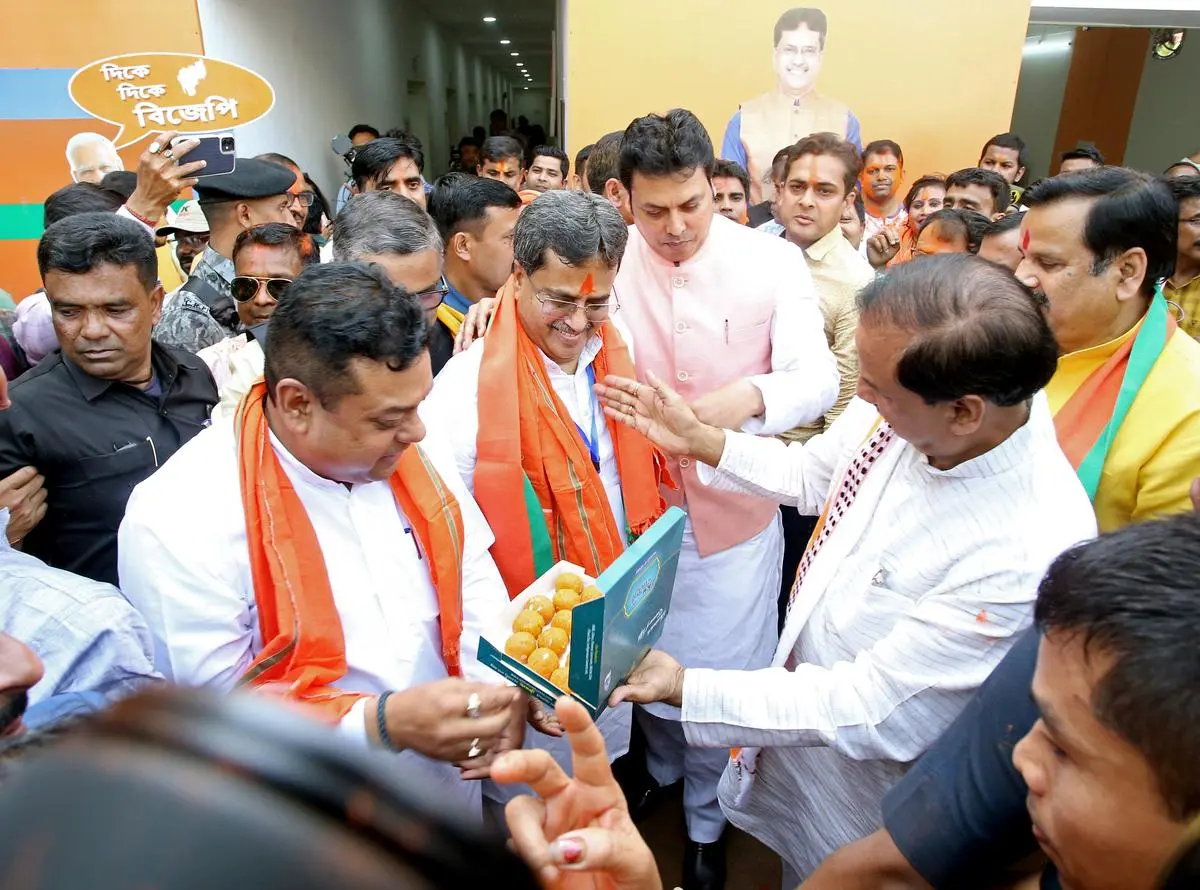
Tripura’s tribal political landscape is entering a crucial electoral phase as the Tripura Tribal Areas Autonomous District Council (TTAADC) and political parties prepare for high-stakes village-level elections. The upcoming contests are expected to test grassroots organisation, local leadership, and the influence of competing political forces across the council’s tribal areas.
The elections carry significance because village-level institutions directly connect political parties with local communities and development priorities. Moreover, the contests could reveal changes in support among tribal voters following recent political developments in Tripura.
Parties are expected to focus on roads, employment, education, healthcare, welfare delivery, land concerns, and tribal representation. However, candidate selection, local alliances, campaign organisation, and voter turnout will ultimately shape the results.
Tripura Election Commission Gears Up for Intense Voter Roll Upgrades
TTAADC Prepares for Village Elections
The TTAADC is preparing for an important phase of village-level political activity.
The autonomous council oversees administration in Tripura’s designated tribal areas and remains a major institution in the state’s tribal political structure. Furthermore, village-level elections can strengthen grassroots participation and influence the delivery of local development programmes.
Political organisations are therefore increasing their attention to village communities.
However, the precise electoral schedule and arrangements should be confirmed through official notifications from the competent authorities.
Village Elections Test Tribal Political Strength
The upcoming village elections could provide an important test of tribal political strength in Tripura.
Political parties will seek to demonstrate that they can translate broader political support into effective grassroots organisation. Additionally, local candidates with strong community connections could play a decisive role in closely contested areas.
The results could consequently influence future political strategies.
However, village elections often reflect local concerns and candidate credibility rather than statewide political trends alone.
TIPRA Motha Faces Key Electoral Test
TIPRA Motha is expected to remain an important participant in the tribal electoral contest.
The party has built its political platform around indigenous rights, constitutional safeguards, greater representation, and development in tribal areas. Moreover, its organisational strength in the region makes its performance relevant to the wider political balance.
The village elections could therefore test whether the party can maintain its grassroots influence.
However, local alliances and candidate selection could significantly affect individual contests.
BJP Seeks Greater Tribal Presence
The BJP also has a strategic interest in strengthening its position across Tripura’s tribal areas.
The party can use local elections to expand its grassroots organisation and highlight government welfare and development initiatives. Furthermore, a stronger village-level network could help the party compete more effectively in future elections.
The contest could therefore become an important organisational exercise for the BJP.
However, competition from established tribal political organisations could make gains difficult in some areas.
Local Issues Drive Election Campaign
Local development issues are likely to dominate the village election campaign.
Residents may focus on roads, drinking water, electricity, healthcare, schools, employment, agriculture, and access to welfare schemes. Additionally, land-related concerns and protection of tribal interests could influence voter decisions.
Candidates will therefore need to address practical problems within individual communities.
However, priorities can vary substantially between villages.
Tribal Representation Remains Central
Questions about tribal representation will remain an important part of the electoral debate.
Political organisations may highlight constitutional safeguards, indigenous rights, cultural protection, and greater participation in local decision-making. Moreover, the autonomous council system gives tribal communities an institutional framework for addressing many local administrative concerns.
These issues can influence political messaging during the campaign.
However, development performance may prove equally important to voters.
Village Elections Could Reshape Local Alliances
The contests could encourage new alliances among political parties and local organisations.
Parties may cooperate in specific areas to avoid splitting votes or to challenge stronger opponents. Furthermore, local leaders could negotiate arrangements that differ from statewide political alliances.
This could make the electoral landscape more fluid.
However, alliance decisions will depend on local political calculations and candidate strength.
Grassroots Leadership Becomes Crucial
Village-level elections place particular importance on individual candidates.
Community relationships, public reputation, accessibility, and understanding of local problems can influence voters. Additionally, candidates with established networks may have an advantage when political competition becomes intense.
Parties will therefore need to combine statewide messaging with local outreach.
However, strong local candidates can also operate independently of broader party narratives.
Development and Employment Take Centre Stage
Employment and development are likely to remain major campaign themes.
Young people in tribal areas may seek better access to education, skills training, employment opportunities, and entrepreneurship support. Moreover, improvements in roads, digital connectivity, healthcare, and public infrastructure can directly affect local economic prospects.
Political parties will likely highlight their proposals and previous initiatives in these areas.
However, voters may judge parties primarily on actual delivery rather than campaign promises.
TTAADC’s Role Remains Significant
The TTAADC occupies an important position in Tripura’s tribal governance structure.
The council provides an institutional mechanism for administering designated tribal areas and addressing local development concerns. Furthermore, political control and representation within the council can influence the direction of development priorities.
Village-level elections can therefore complement the council’s broader political structure.
However, village institutions and the autonomous council have distinct responsibilities.
Election Campaign Could Intensify
Political activity is expected to increase as the elections approach.
Parties can strengthen local committees, select candidates, hold community meetings, and expand voter outreach. Additionally, campaign debates could focus increasingly on development performance and tribal policy.
The competitive environment may consequently become more intense.
However, political parties and candidates will need to maintain peaceful campaigning and respect electoral rules.
Voter Turnout Could Influence Results
Voter participation could become an important factor in determining the outcome.
High turnout can benefit parties with strong grassroots mobilisation, while lower participation can produce different results depending on local political dynamics. Moreover, youth participation and the engagement of first-time voters could influence several contests.
Parties are therefore likely to prioritise voter outreach.
However, turnout figures will only become clear after polling takes place.
High-Stakes Contest for Tribal Politics
The village elections carry wider significance because they can influence perceptions of political strength across Tripura’s tribal areas.
A strong performance could help a party build momentum and strengthen its organisational network. Conversely, unexpected results could force parties to reconsider their alliances and campaign strategies.
The elections could therefore shape political calculations beyond the village level.
However, the results should not automatically be treated as a forecast of future Assembly elections.
Conclusion
Tripura’s high-stakes village elections are set to provide an important test of grassroots political strength across the state’s tribal areas. The contests will bring development, employment, land concerns, welfare delivery, and tribal representation to the centre of political debate.
Moreover, the elections could influence the strategies of TIPRA Motha, the BJP, and other political organisations seeking greater support among tribal voters. However, local candidates, alliances, community priorities, and voter turnout will remain decisive factors.
Overall, the village elections represent more than a local political contest. They could reshape grassroots influence, strengthen emerging leaders, and provide an important indication of how Tripura’s tribal political landscape is evolving.
FAQs
1. Why are the village elections important for Tripura?
The elections can determine grassroots leadership and provide political parties with an important test of their support across tribal areas.
2. What role does TTAADC play?
The TTAADC administers designated tribal areas of Tripura and serves as a major institution within the state’s tribal governance structure.
3. Which issues could influence voters?
Development, employment, education, healthcare, roads, welfare delivery, land concerns, and tribal representation could influence voting decisions.
4. Why is TIPRA Motha important in the elections?
TIPRA Motha has established a significant political presence among tribal communities and focuses heavily on indigenous rights and constitutional safeguards.
5. Will village election results determine future Assembly elections?
No. Village-level results can indicate grassroots trends but cannot directly determine the outcome of future Assembly elections.