


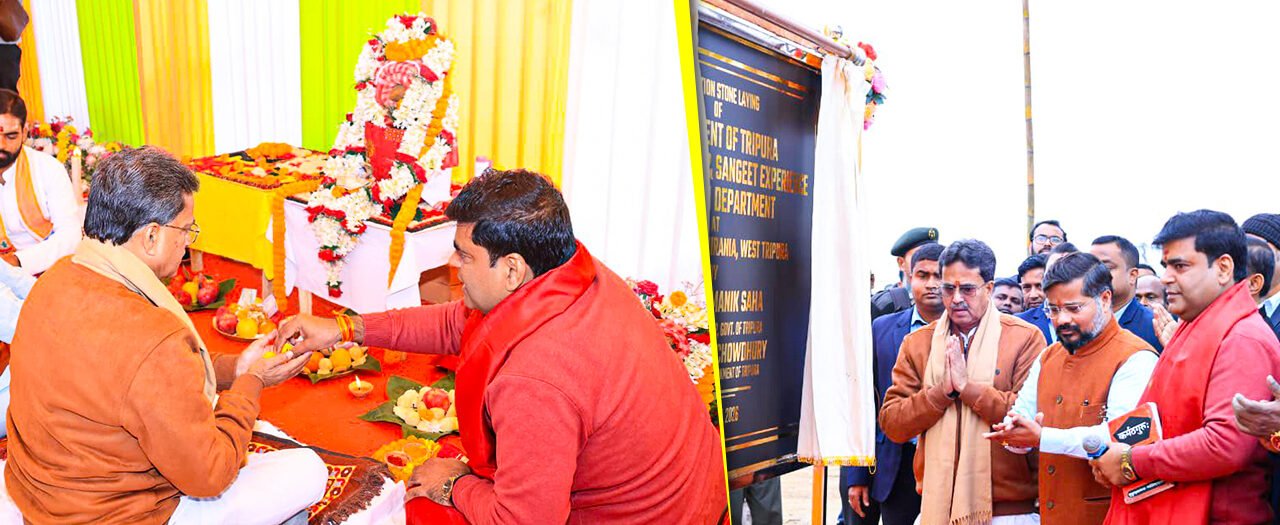
Tripura is embarking on a landmark journey to preserve its royal history while embracing modern ecological standards. On Monday, Chief Minister Dr. Manik Saha officially laid the foundation stone for the “Heritage Village and Sangeet Experience” project. This ambitious development is located at Sachindranagar in the Jirania subdivision of West Tripura. By integrating historical storytelling with nature, the state is setting a new benchmark for sustainable tourism in Tripura.
Read More: Sustainable Tourism in Tripura: A New Vision for Agartala
A Strategic Vision Under Swadesh Darshan 2.0
The project receives funding through the Central Government’s Swadesh Darshan 2.0 scheme. This initiative aims to create world-class infrastructure that respects local environments. During the ceremony, the Chief Minister highlighted how the state plans to transform 35 acres of land into a cultural sanctuary. This site will not just be a park; it will be a living museum. By focusing on sustainable tourism in Tripura, the government ensures that urban expansion does not overshadow the natural beauty of the Jirania region.
Celebrating the Sangeet Experience
A major highlight of this new destination is the dedicated “Sangeet Experience.” Tripura has a deep-rooted musical legacy, most notably through the contributions of the Burman family. The Heritage Village will house interactive zones where visitors can explore this melodic history. Chief Minister Saha noted that music and culture are the soul of the state. Therefore, the project aims to attract global travelers who seek authentic cultural immersion. This approach blends the auditory heritage of the land with green, eco-friendly pathways.
Boosting the Local Economy and Infrastructure
The Heritage Village is part of a larger plan to build a “New Agartala” experience. Alongside the cultural zones, the government is establishing a modern Amusement Park. This addition serves to diversify the state’s tourism portfolio. While the Heritage Village attracts history buffs, the amusement park will draw families and local excursionists. This strategic move ensures that sustainable tourism in Tripura provides tangible economic benefits to the residents of Jirania. It creates jobs in hospitality, transport, and the local handicraft sector.
Ecological Preservation and Community Roots
The Chief Minister emphasized that the development would use sustainable materials and energy-efficient designs. The goal is to create a destination that “celebrates our roots while inviting the world.” The Heritage Village will feature displays from Tripura’s 19 indigenous tribes. This focus ensures that the state’s diverse social fabric remains at the heart of its tourism narrative. By involving local communities, the government fosters a sense of pride and ownership over these new landmarks.
Why Sustainable Tourism in Tripura Matters
As global travel trends shift toward environmental responsibility, Tripura is positioning itself as a leader in the Northeast. The state offers a unique mix of rock-cut carvings, water palaces, and lush hills. The new project at Sachindranagar acts as a central hub for these attractions. It provides a structured, eco-conscious gateway for tourists. This long-term commitment to sustainable tourism in Tripura protects the state’s biodiversity for future generations while providing a modern travel experience today.
In addition, the foundation stone for the Heritage Village marks a new chapter for the state. Chief Minister Manik Saha has signaled that Tripura is ready for the world. Through the Swadesh Darshan 2.0 scheme, the state is successfully merging its past with a green future. As construction progresses, the Heritage Village will soon stand as a testament to Tripura’s resilience and creative spirit. Visitors can look forward to a destination where music, history, and nature exist in perfect harmony.
Read More: The Revival of the 1950 Act: Assam’s New Tool to Expel Foreigners