


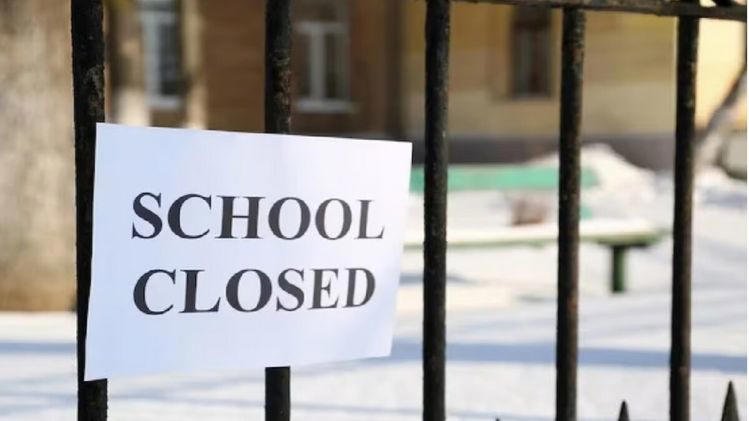
The Tripura Tribal Areas Autonomous District Council (TTAADC) has taken a decisive step to protect students from the biting winter. On January 2, 2026, the council announced the closure of all schools under its jurisdiction for a period of 11 days. This urgent measure comes as a severe cold wave grips region, causing temperatures to drop significantly across the state’s hilly and rural belts.
Education officials issued the directive after reviewing the deteriorating weather conditions. The safety of young children remains the top priority for the administration during this period. Because many schools are located in remote areas where the chill is more intense, the council decided that a temporary break was the most responsible course of action. This shutdown affects hundreds of primary and secondary institutions managed by the TTAADC.
Read More: Tripura CM: Practical Education Through Modern Technology is Key
Impact of Plunging Temperatures on Student Health
The sudden onset of winter has brought a thick layer of fog and icy winds to Tripura. When a cold wave grips region, the risk of respiratory illnesses and seasonal flu among school-going children increases rapidly. Health experts warned that prolonged exposure to the early morning chill could lead to severe health complications. Therefore, the District Council acted swiftly to prevent an outbreak of illness in the classrooms.
Parents and guardians have largely welcomed the decision. Many noted that traveling to school in the early hours had become nearly impossible due to the low visibility caused by dense fog. Furthermore, several school buildings in rural areas lack adequate heating or insulation. By closing these institutions until the weather stabilizes, the council ensures that students stay warm and healthy within their homes.
TTAADC’s Response to Extreme Weather
The Tipra Motha-led district council emphasized that this 11-day holiday is a proactive response to the climate emergency. As the cold wave grips region, the administration is also monitoring the welfare of hostel residents. Officials have instructed hostel wardens to provide extra blankets and warm water to students who cannot return home immediately.
Chief Executive Member (CEM) of the TTAADC stated that the education department will evaluate the situation again after the 11-day period. If the icy conditions persist, the council might consider extending the break. However, they also plan to introduce special weekend classes later in the session to compensate for the lost academic time. This ensures that while safety comes first, the students’ education does not suffer in the long run.
Comparative Weather Patterns in Tripura
This year’s winter has proven much harsher than previous seasons. Meteorologists point out that a high-pressure system over the Himalayas is pushing cold air directly into the Northeast. Consequently, as the cold wave grips region, several districts in Tripura have recorded their lowest temperatures in a decade.
State authorities are coordinating with the Meteorological Department to provide daily updates to the public. While the TTAADC has already shut its schools, the state government is currently monitoring schools in urban areas like Agartala. If the mercury continues to fall, a state-wide closure might become necessary. For now, the focus remains on the tribal areas where the geographical elevation makes the winter particularly unforgiving.
Guidelines for Families During the Cold Wave
With schools closed, the district council has issued a set of advisories for families. They encourage parents to keep children indoors during the peak cold hours of early morning and late evening. As the cold wave grips region, proper nutrition and hydration are essential to maintain body heat. The council also requested local village committees to keep an eye on elderly citizens and vulnerable families who might need assistance with warm clothing.
Additionally, the administration is working with local NGOs to distribute blankets in the most affected hamlets. This community-led approach complements the school closure policy. By working together, the state and the council hope to navigate this weather crisis with minimal impact on public health.
Conclusion: Prioritizing Safety in New Tripura
The decision to shut schools for 11 days highlights the TTAADC’s commitment to student welfare. It is a clear acknowledgement that the current weather is beyond the normal range for the region. As the cold wave grips region, the administration’s primary goal is to prevent any weather-related casualties or widespread sickness.
This move serves as a reminder of the challenges posed by changing climatic patterns in the Northeast. While the 11-day break provides immediate relief, it also opens up discussions on how to better insulate school infrastructure for future winters. For now, students can remain safe at home while the region waits for the sun to break through the winter haze.
Read More: Two Assam Journalists Return Government-Gifted Mobile Phones