


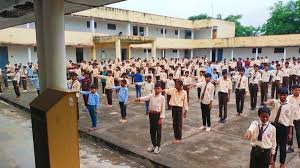
Tripura education infrastructure expansion is emerging as a major focus in 2026, with the state government investing heavily in modern schools, upgraded colleges, and better learning facilities. This initiative aims to improve access to quality education, especially in rural and remote areas, while strengthening Tripura’s overall academic environment.
Tripura Elections 2026: CM Manik Saha Leads BJP Campaign
Super 30 Program Expansion
- Objective: Identify talented students and prepare them for competitive exams.
- Focus Areas: Coaching for engineering, medical, and national-level entrance exams.
- Impact: Helps economically weaker students access high-quality preparation.
The program has already shown significant results in student performance, and its expansion will benefit more aspirants across Tripura.
Women’s Cricket Coaching Camp 2026: Empowering Young Athletes
Smart Classrooms Initiative
- Goal: Integrate technology into teaching and learning.
- Facilities: Digital boards, projectors, internet access, and interactive tools.
- Outcome: Engages students more effectively, enhances understanding, and promotes modern teaching methods.
Smart classrooms are being set up in schools across all districts, bringing innovative education to rural and urban areas alike.
Eklavya Model Residential Schools (EMRS)
- Implementation: One EMRS in each of Tripura’s 58 blocks.
- Focus: Provide quality residential education for tribal students.
- Facilities: Hostels, libraries, labs, sports, and cultural activities.
- Objective: Promote inclusive education, reduce dropout rates, and enhance opportunities for tribal youth.
EMRS schools aim to bridge educational gaps for tribal communities and prepare students for higher education and professional careers.
Significance for Tripura
- Inclusive Growth: Education initiatives benefit students from all socio-economic backgrounds.
- Skill Development: Programs like Super 30 and smart classrooms enhance academic skills and competitiveness.
- Tribal Empowerment: EMRS ensures quality education and opportunities for tribal communities.
- Long-Term Impact: Improves literacy, skill development, and employment prospects across the state.
These initiatives reflect Tripura’s commitment to building a robust educational infrastructure for the future.
Conclusion
Tripura’s education and infrastructure initiatives for 2026—including the Super 30 program, smart classrooms, and Eklavya Model Residential Schools—demonstrate a strategic focus on inclusive, modern, and high-quality education. By expanding these programs across all 58 blocks, the state is ensuring equitable learning opportunities and preparing students for competitive academic and professional success.
FAQs (Frequently Asked Questions)
1. What is the Super 30 program in Tripura?
It is a coaching initiative that prepares talented students for competitive exams, focusing on economically weaker sections.
2. How are smart classrooms implemented?
Smart classrooms include digital boards, projectors, internet access, and interactive learning tools in schools across Tripura.
3. What are Eklavya Model Residential Schools (EMRS)?
EMRS are residential schools for tribal students, providing modern facilities, quality education, and opportunities for holistic development.
4. How many EMRS schools will be set up?
One EMRS school will be established in each of Tripura’s 58 blocks.
5. What is the impact of these initiatives?
They enhance learning outcomes, provide advanced teaching tools, promote inclusivity, and empower tribal communities.
6. Who benefits from these education programs?
Students from all socio-economic backgrounds, especially talented and tribal youth, gain opportunities for competitive education and professional growth.