


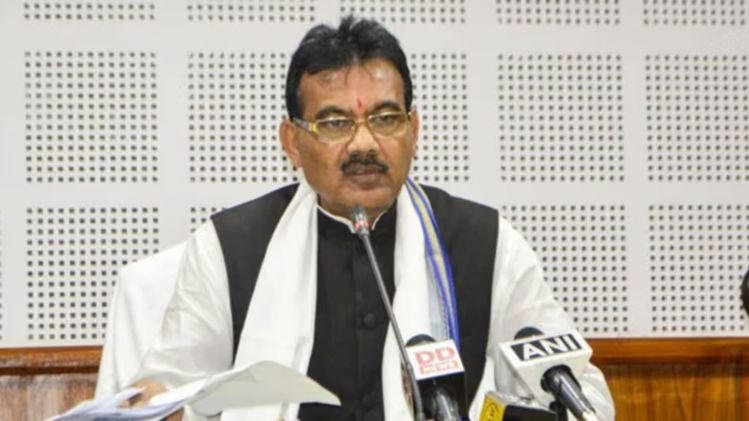
Tripura Finance Minister Pranajit Singha Roy has said the state’s finances remain stable despite a major reduction in gap funding. The state has lost around Rs 4,000 crore in funding following the recommendations of the 16th Finance Commission.
Roy made the statement on September 23, 2026. He said the government was managing the financial pressure while continuing its development programmes. He also pointed to the growth in Tripura’s annual budget over the past few years.
According to the minister, Tripura’s annual budget has grown from less than Rs 15,000 crore in 2017-18 to more than Rs 34,000 crore in 2026-27. He said the increase reflects the state’s expanding financial capacity.
Read More: Unveiling the Lost Discovery: Life on Mars, Missed Opportunities, and Ethical Dilemmas
Tripura Faces Rs 4,000 Crore Funding Gap
The reduction in gap funding has created a major challenge for Tripura. The state had relied on this support to meet part of its revenue requirements.
The 16th Finance Commission’s recommendations changed the funding arrangement. As a result, Tripura now faces a gap of around Rs 4,000 crore.
The issue has also drawn attention from the state government at the highest level. Chief Minister Manik Saha had earlier said that northeastern states raised the matter with Union Finance Minister Nirmala Sitharaman.
The reduction could put additional pressure on the state’s finances. Tripura must now balance its development needs with its available resources.
However, Roy has maintained that the state can manage the situation. He said the government would explore other financial options.
Centre Announces New ‘Pride of Hills’ Scheme
Roy also highlighted a new central initiative for the northeastern region. The Centre has allocated Rs 3,450 crore under a scheme called “Pride of Hills”.
The minister cited the scheme while discussing the impact of the gap funding reduction. The new allocation could provide some financial support to the region.
However, the amount does not fully replace the Rs 4,000 crore funding gap. Tripura therefore still needs to manage the remaining difference.
The state government will have to plan its spending carefully. It will also need to identify additional resources for development programmes.
Tripura’s Budget Crosses Rs 34,000 Crore
Roy pointed to the growth of Tripura’s budget as another sign of the state’s financial expansion.
Tripura’s budget stood below Rs 15,000 crore in 2017-18. The figure has now crossed Rs 34,000 crore for 2026-27.
The latest budget documents provide a detailed picture of the state’s finances. PRS Legislative Research says Tripura’s total expenditure for 2026-27 stands at about Rs 34,212 crore. After excluding debt repayment, net expenditure comes to Rs 33,668 crore.
The state expects total receipts of Rs 33,722 crore. This includes borrowings. Receipts excluding borrowings are estimated at Rs 26,916 crore.
The figures show that Tripura continues to operate with a sizeable budget. They also show the importance of careful fiscal management.
Revenue Surplus Expected in 2026-27
Tripura has projected a revenue surplus for the current financial year.
The state expects a revenue surplus of Rs 1,616 crore in 2026-27. The figure is lower than the revised estimate of Rs 2,173 crore for 2025-26.
A revenue surplus means the government expects its revenue receipts to exceed its revenue expenditure. However, it does not mean that the state has no fiscal pressure.
Tripura has also projected a fiscal deficit of Rs 6,752 crore for 2026-27. The figure is lower than the revised fiscal deficit of Rs 7,294 crore for 2025-26.
The numbers indicate that the state continues to face a gap between its overall expenditure and receipts. Borrowing will help finance part of that gap.
Centre Remains a Major Source of Revenue
Tripura continues to depend heavily on central transfers.
The state expects revenue receipts of Rs 26,882 crore in 2026-27. Of this amount, Rs 22,412 crore is expected to come from the Centre.
This means around 83% of Tripura’s revenue receipts could come from central sources. The remaining amount will come from the state’s own resources.
Tripura expects Rs 11,850 crore from its share of central taxes. It also expects Rs 10,562 crore through central grants.
The figures highlight the importance of central funding to Tripura’s financial position. Any change in central transfers can therefore affect the state’s spending plans.
State Sees Higher Own Tax Revenue
Tripura is also trying to strengthen its own revenue collection.
The state expects to collect Rs 4,020 crore through its own tax revenue in 2026-27. That represents a rise over the revised estimate for 2025-26.
The government’s own tax resources remain much smaller than its central receipts. This gap highlights the fiscal challenges faced by the state.
Improving tax collection could give Tripura greater flexibility. It could also help the government reduce its dependence on external funding.
Capital Spending Remains a Key Focus
Development spending remains another important part of Tripura’s financial plans.
The state has proposed Rs 8,394 crore in capital outlay for 2026-27. Capital spending supports the creation of long-term assets and infrastructure.
The allocation includes spending on sectors such as public works, roads, bridges and rural development.
Public works account for a significant portion of the capital outlay. The state has proposed around Rs 2,191 crore for public works in 2026-27.
The budget also provides funds for education, rural development, agriculture, health and social welfare.
Committed Spending Adds Pressure
Tripura also faces large fixed expenditure commitments.
The state expects to spend Rs 14,523 crore on salaries, pensions and interest payments in 2026-27. This represents about 54% of its estimated revenue receipts.
Salary expenditure accounts for Rs 8,912 crore. Pension expenditure stands at Rs 4,115 crore. Interest payments account for another Rs 1,496 crore.
These expenses limit the amount available for other priorities. The government must therefore balance regular commitments with development spending.
Government Focuses on Fiscal Management
The Rs 4,000 crore reduction in gap funding has added pressure to Tripura’s finances. Yet the state government says it can manage the challenge.
The government is relying on higher receipts, central support and borrowing. It also plans to continue infrastructure and development spending.
At the same time, the budget figures show the need for careful financial planning. Tripura expects a sizeable fiscal deficit and remains heavily dependent on central transfers.
For now, Finance Minister Pranajit Singha Roy has described the state’s financial position as stable. The coming years will test how effectively Tripura manages the funding gap while maintaining development expenditure.
The state’s expanding budget provides room for continued spending. However, the reduction in gap funding means Tripura must use that room carefully. Maintaining fiscal stability will depend on revenue growth, central support and disciplined expenditure.
Read More: Tripura CM Manik Saha Inaugurates New Infrastructure Projects in Agartala