


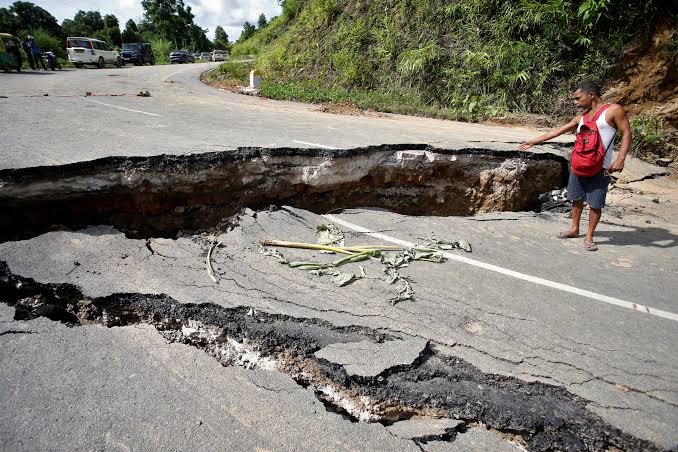
The Tripura Infrastructure Projects Foreclosed decision has brought major attention to delays affecting public infrastructure development in the state. The state government officially shut down 10 major infrastructure projects and surrendered the funds allocated to them. Severe implementation delays and continuing land disputes reportedly prevented the projects from moving forward as planned. Moreover, the decision highlights the challenges authorities face when land-related issues and prolonged delays affect major development initiatives.
Tripura Land Rights Draft Expected Within 15 Days After New Delhi Deliberations
Tripura Infrastructure Projects Foreclosed After Prolonged Delays
The state government has officially closed 10 major infrastructure projects following significant delays in implementation.
Furthermore, projects that fail to progress within expected timelines can tie up public funds and prevent authorities from pursuing other development priorities.
The government therefore decided to foreclose the affected projects rather than continue with initiatives that faced prolonged implementation problems.
Moreover, the decision reflects the need for authorities to regularly review the progress of major infrastructure programmes.
When projects encounter repeated delays, officials must assess whether continuing them remains practical and financially responsible.
The Tripura Infrastructure Projects Foreclosed decision consequently brings an end to projects that could not advance because of persistent obstacles.
Tripura Infrastructure Projects Foreclosed Amid Land Disputes
Ongoing land disputes emerged as one of the major challenges affecting the projects.
Land availability and ownership issues can significantly delay infrastructure development, particularly when authorities cannot secure clear possession of required sites.
Furthermore, prolonged disputes can prevent contractors and implementing agencies from beginning or completing planned construction activities.
In such circumstances, projects can remain stalled even when governments have already allocated funds.
Therefore, resolving land-related issues remains essential for ensuring that infrastructure projects progress according to schedule.
The Tripura Infrastructure Projects Foreclosed decision highlights how unresolved land disputes can ultimately affect the viability of major public projects.
Tripura Infrastructure Projects Foreclosed Leads to Fund Surrender
Along with shutting down the 10 projects, the state government surrendered the funds allocated for them.
Moreover, returning or surrendering unutilised funds allows authorities to account for resources that cannot support projects under the existing circumstances.
The decision also prevents additional public expenditure on initiatives that have faced severe implementation obstacles.
Additionally, authorities can review alternative priorities when previously sanctioned projects no longer appear feasible.
However, the foreclosure of projects also highlights the importance of conducting thorough planning before allocating resources for large infrastructure initiatives.
Consequently, future projects may require stronger land-clearance mechanisms, implementation monitoring and coordination among government departments.
The Tripura Infrastructure Projects Foreclosed development therefore carries lessons for both current and future infrastructure planning.
Tripura Infrastructure Projects Foreclosed Raises Implementation Concerns
The closure of 10 projects raises broader questions about how governments can reduce delays in infrastructure development.
Furthermore, timely land acquisition, administrative coordination and effective project monitoring can help prevent major initiatives from remaining stalled for extended periods.
Authorities may also need to identify potential obstacles before approving projects and allocating substantial public resources.
Meanwhile, projects that encounter serious difficulties require regular assessment so officials can determine whether they should continue, modify their scope or close them.
The Tripura Infrastructure Projects Foreclosed decision demonstrates the consequences of prolonged implementation problems.
Therefore, strengthening project preparation and monitoring could help reduce similar situations in the future and ensure that public funds support viable development initiatives.
Conclusion
The Tripura Infrastructure Projects Foreclosed decision has resulted in the official closure of 10 major infrastructure projects after severe implementation delays and ongoing land disputes. The state government also surrendered the funds allocated to the projects. Moreover, the development highlights the importance of resolving land issues, strengthening project monitoring and improving implementation planning to ensure that public resources deliver meaningful infrastructure outcomes.
FAQs
1. How many infrastructure projects did the Tripura government foreclose?
The state government officially shut down 10 major infrastructure projects.
2. Why were the projects foreclosed?
Severe implementation delays and ongoing land disputes prevented the projects from progressing as planned.
3. What happened to the funds allocated to the projects?
The government surrendered the funds allocated to the affected projects.
4. How can land disputes affect infrastructure projects?
Land disputes can prevent authorities from obtaining clear access to project sites, delaying construction and implementation.
5. What does the Tripura Infrastructure Projects Foreclosed decision highlight?
It highlights the need for stronger project planning, land-clearance mechanisms and implementation monitoring.