


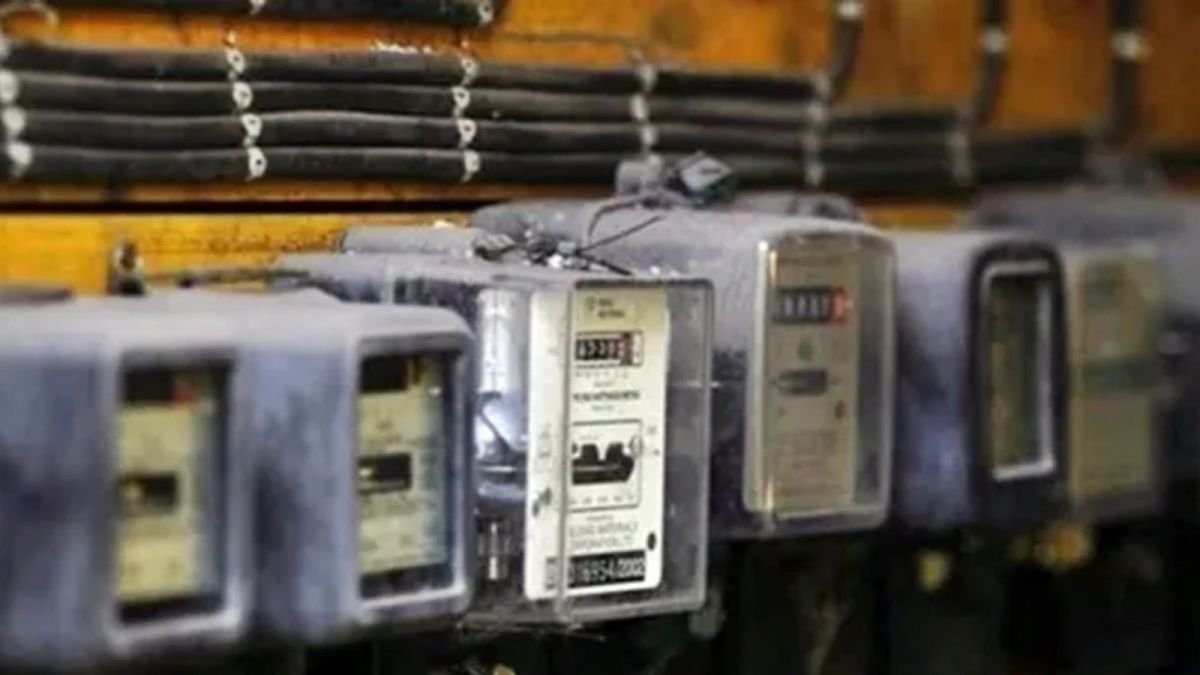
Tripura Electricity Tariff Revision came into effect after the Tripura Electricity Regulatory Commission approved a revised tariff framework for FY 2026–27. The updated structure introduces Time-of-Day (ToD) Billing as part of broader efforts to improve demand management and strengthen the financial sustainability of the state’s electricity system. Additionally, the revised model is expected to encourage more balanced electricity consumption patterns across different time periods.
Illegal Bangladeshi National Arrested In Tripura
Tripura Track Me App Delay Raises Questions
New Tariff Structure Approved For FY 2026–27
The revised tariff framework approved for the financial year 2026–27 introduces changes to electricity billing across applicable consumer categories. Authorities stated that the updated structure aims to align energy usage with supply management requirements while supporting long-term operational stability.
According to officials, tariff revisions form part of routine regulatory processes that assess electricity demand, infrastructure costs, and financial requirements. Consequently, the latest decision is intended to improve system efficiency and maintain service continuity.
Consumers are expected to receive updated billing details under the approved framework.
Time Of Day Billing Introduced
One of the most significant changes under the revised policy is the introduction of Time-of-Day Billing. Under this approach, electricity charges may vary depending on the period during which power is consumed.
Authorities indicated that ToD Billing is designed to encourage consumers to shift certain activities away from peak demand periods. As a result, electricity demand may become more evenly distributed throughout the day.
Tripura Electricity Tariff Revision therefore represents both a pricing adjustment and a demand management strategy.
Objective Focuses On Utility Financial Balance
Officials stated that the revised tariff model also aims to improve the financial position of the state utility system. Electricity distribution networks often face challenges related to operational expenditure, infrastructure maintenance, and changing consumption patterns.
Additionally, balancing revenue requirements with consumer affordability remains an important regulatory objective. Therefore, measures such as structured tariff adjustments are introduced to support long-term system sustainability.
Authorities maintained that the revised framework seeks to create a more stable operational environment without disrupting electricity access.
Consumers May See Changes In Usage Patterns
The implementation of ToD Billing may influence how some consumers schedule electricity-intensive activities. Consequently, users could begin shifting non-essential high-consumption usage toward lower-demand periods.
Officials explained that such systems are increasingly used to reduce stress during peak demand hours and improve overall grid performance. Meanwhile, public awareness and billing communication are expected to play an important role during implementation.
Tripura Electricity Tariff Revision may therefore encourage greater consumer participation in energy management practices.
Regulatory Shift Reflects Modern Energy Management
Electricity regulators across different regions increasingly adopt demand-responsive systems to improve efficiency and manage changing energy requirements. Therefore, Time-of-Day mechanisms are often introduced as part of modernization efforts.
Authorities stated that tariff reform supports planning, distribution management, and long-term service reliability. Furthermore, energy management approaches continue evolving alongside growing consumption needs.
The revised framework marks an important transition in how electricity consumption and billing are structured within the state.
Implementation To Be Monitored During Financial Year
Officials indicated that implementation of the revised tariff structure will continue through FY 2026–27 with monitoring and operational assessment where required. Additionally, consumer feedback and system performance may influence future review processes.
Administrative teams are expected to continue communicating updated billing details and implementation guidelines. Meanwhile, consumers are encouraged to remain informed regarding revised tariff applicability.
Tripura Electricity Tariff Revision is expected to remain an important policy development in the state’s utility sector.
Conclusion
Tripura Electricity Tariff Revision introduced a revised electricity pricing structure for FY 2026–27 and brought Time-of-Day Billing into the state’s power framework. Authorities stated that the move aims to improve demand management and support utility finances while encouraging more balanced electricity consumption. Meanwhile, implementation and consumer adaptation will shape the long-term impact of the revised system.
FAQs
What change was introduced in the new tariff structure?
The revised framework introduced Time-of-Day Billing.
Which financial year does the tariff apply to?
The revised tariff applies to FY 2026–27.
What is Time-of-Day Billing?
It is a billing method where electricity charges may vary depending on usage timing.
Why was the tariff revised?
Authorities stated that the revision aims to support demand management and utility financial balance.
Will consumers see billing changes?
Consumers may experience revised billing calculations depending on tariff applicability.
Why is Tripura Electricity Tariff Revision important?
Tripura Electricity Tariff Revision marks a shift toward structured electricity demand management and long-term utility sustainability.