


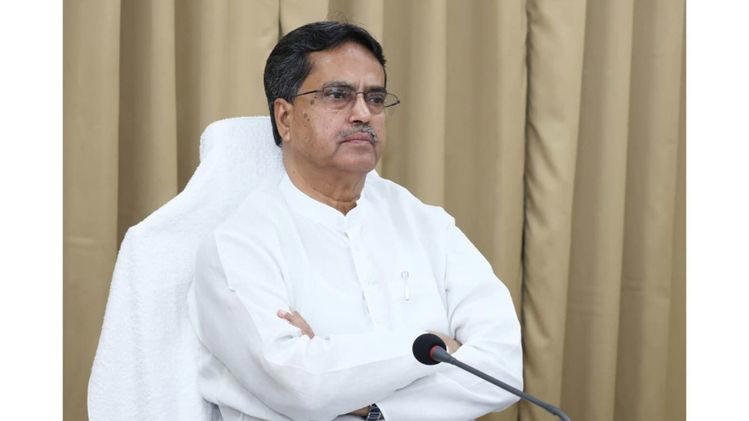
The Tripura government is preparing a comprehensive project centered on the Gomati River to meet future water demand and strengthen water security across the state. As population growth, urbanization, and economic activities continue to increase, authorities are looking for sustainable solutions to ensure a reliable water supply for future generations.
The proposed initiative forms an important part of the state’s long-term development strategy. Moreover, it reflects the government’s commitment to managing natural resources responsibly. Officials believe that the project will help secure water for domestic use, agriculture, industry, and other critical sectors.
At the same time, policymakers aim to balance development needs with environmental sustainability. Therefore, the project is expected to combine infrastructure development with conservation measures.
Rising Demand Prompts Immediate Planning
Tripura has witnessed steady growth in recent years. Consequently, demand for water has increased across urban and rural areas. Expanding towns, growing industries, and rising agricultural requirements have placed additional pressure on existing water resources.
Government officials recognize that future demand could rise significantly. Therefore, they have decided to adopt a proactive approach instead of waiting for shortages to emerge.
Experts often stress that water security is closely linked to economic growth and public welfare. In addition, climate-related uncertainties have made long-term planning even more important. By developing the Gomati project now, the state hopes to avoid future challenges and ensure stable water availability.
The initiative demonstrates the government’s intention to prepare for future needs while supporting current development goals.
Gomati River Holds Strategic Importance
The Gomati River plays a vital role in Tripura’s social and economic landscape. It supports agriculture, provides water for daily use, and sustains ecosystems across several regions of the state.
Many communities depend on the river for their livelihoods. Furthermore, farmers rely on its waters for irrigation, while local residents use it for household purposes. The river also contributes to groundwater recharge and environmental balance.
Because of its importance, the government considers the Gomati River the ideal focus for a long-term water management initiative. Officials believe that better planning and resource management can maximize the river’s potential while preserving its ecological health.
As a result, the project could benefit both present and future generations.
Sustainable Water Management at the Core
Sustainability remains one of the central objectives of the proposed project. Rather than focusing only on increasing supply, the government plans to improve overall water management practices.
Officials intend to promote conservation alongside infrastructure development. For example, the project may include rainwater harvesting systems, watershed management programs, and improved water storage facilities.
Additionally, authorities are exploring ways to reduce wastage and encourage efficient water use across sectors. Experts argue that sustainable management practices can significantly improve long-term water availability.
Therefore, the project aims to create a balanced system that supports development without putting excessive pressure on natural resources.
Improving Drinking Water Availability
Access to safe drinking water remains a priority for the state government. Consequently, the Gomati project is expected to strengthen water supply systems and improve service delivery in both urban and rural areas.
As populations expand, many regions will require additional infrastructure to meet future demand. Therefore, officials are examining ways to improve storage capacity, distribution networks, and supply reliability.
Reliable drinking water services can improve public health and quality of life. Moreover, stronger infrastructure can reduce disruptions during periods of high demand or adverse weather conditions.
The government believes that investing in water supply systems today will help prevent future shortages and support long-term development.
Strengthening Agricultural Resilience
Agriculture remains a major pillar of Tripura’s economy. Therefore, ensuring adequate water availability for farmers is a key component of the proposed project.
Improved irrigation infrastructure can increase agricultural productivity and reduce dependence on seasonal rainfall. Furthermore, better water management can help farmers diversify crops and adopt more efficient farming practices.
Officials expect the project to support rural livelihoods while enhancing food security. At the same time, modern irrigation methods could reduce water wastage and improve resource efficiency.
As a result, the initiative could strengthen both the agricultural sector and the broader rural economy.
Addressing Climate Change Challenges
Climate change has become a major concern for water planners across the world. Similarly, Tripura faces growing uncertainties related to rainfall patterns and extreme weather events.
Experts warn that changing climatic conditions could affect water availability in the future. Therefore, governments must integrate climate resilience into long-term planning.
The Gomati project is likely to include measures designed to improve adaptability and reduce vulnerability. For instance, authorities may develop improved storage systems and flood management mechanisms.
Moreover, conservation initiatives can help protect water resources during periods of stress. By adopting climate-resilient strategies, Tripura aims to strengthen its ability to respond to future environmental challenges.
Economic Benefits Beyond Water Security
The project offers benefits that extend beyond water management. Reliable water resources support industrial development, agricultural growth, tourism, and urban expansion.
When businesses have access to dependable water supplies, they can operate more efficiently. Similarly, farmers can improve productivity and increase income opportunities.
Furthermore, investments in water infrastructure often generate employment and stimulate economic activity. Better resource management can also reduce costs associated with shortages and emergency responses.
Therefore, officials view the Gomati project as an investment in the state’s long-term economic future. By strengthening water security, the government can support multiple sectors simultaneously.
Scientific Planning and Stakeholder Participation
The success of the project will depend on careful planning and broad stakeholder participation. Consequently, the government plans to involve engineers, environmental experts, researchers, and local communities in the planning process.
Scientific studies will help authorities assess future demand, evaluate available resources, and identify effective solutions. Additionally, modern technology can improve monitoring and decision-making.
Officials have emphasized the importance of evidence-based planning. Furthermore, they believe that community participation can improve project outcomes and ensure that local concerns receive adequate attention.
Through collaboration and scientific analysis, the state hopes to create a sustainable and effective water management framework.
Looking Ahead
Tripura’s decision to pursue a long-term Gomati project reflects a strategic commitment to water security and sustainable development. As demand continues to grow, the state aims to strengthen its capacity to provide reliable water supplies for households, agriculture, and industry.
The proposed initiative focuses on conservation, infrastructure improvement, climate resilience, and efficient resource management. Moreover, it seeks to balance development goals with environmental responsibility.
If implemented successfully, the project could transform water management in Tripura and create lasting benefits for communities across the state. Therefore, officials consider it a critical step toward securing the state’s future.
Ultimately, the Gomati project highlights the importance of long-term planning in addressing emerging challenges. By acting today, Tripura hopes to build a stronger, more resilient, and water-secure future for generations to come.