


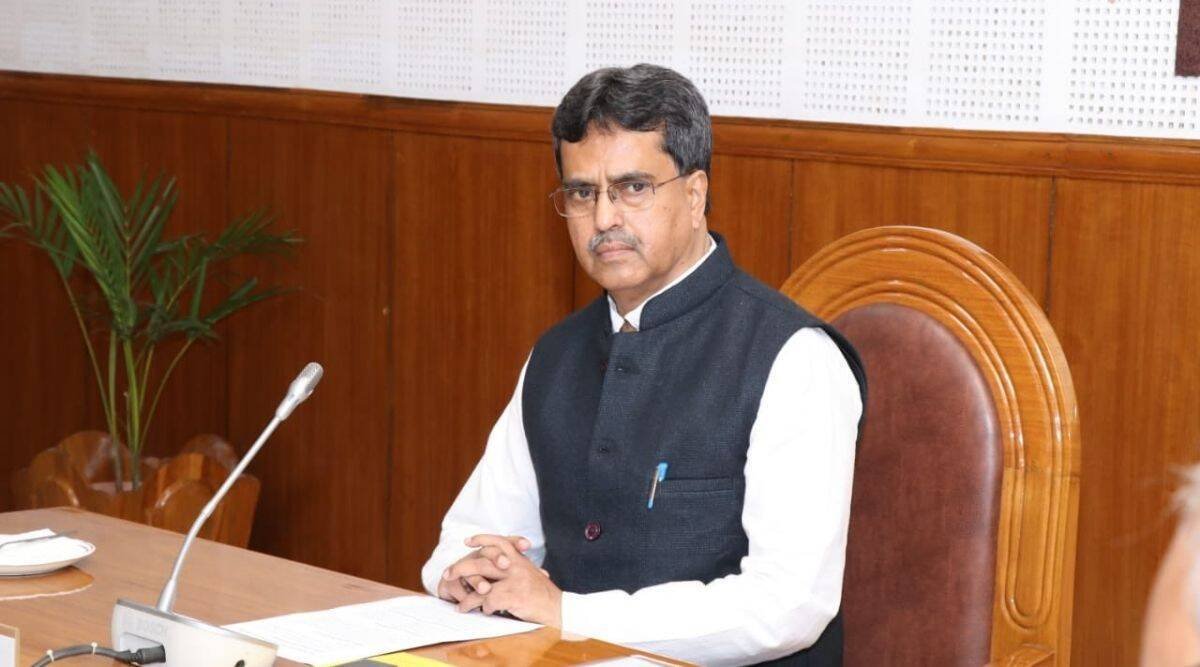
Tripura Chief Minister Manik Saha recently announced that the state government is actively considering steps to narrow the Tripura DA gap between its employees and those of the central government. The announcement came during a public event where Saha acknowledged the disparities and assured that the state is committed to fair compensation for its workforce.
Read More: Meghalaya Opens Northeast’s Largest Bottling Plant
Commitment to Narrow the Tripura DA Gap
Addressing a gathering at Agartala, CM Saha said that the Tripura government is aware of the difference in Dearness Allowance (DA) rates between state and central employees. While central government employees receive a significantly higher DA, state government staff have often found themselves on the disadvantaged side. Saha said the state’s leadership is now keen to “reduce the difference gradually,” as it works towards financial stability and increased revenue generation.
The Tripura DA gap has long been a source of concern for the state’s employees. Many argue that the cost of living has increased uniformly across the country, and state employees deserve similar benefits. Saha’s remarks come as a relief to thousands of government workers who have been demanding an upward revision in their DA rates for years.
Gradual Approach Due to Financial Constraints
Although the intent to bridge the Tripura DA gap is clear, the Chief Minister pointed out that financial constraints remain a major hurdle. He emphasized that while the government would like to provide central-level DA benefits immediately, it must act responsibly to maintain fiscal discipline.
Tripura, being a smaller state with limited industrial output and a high dependence on central funds, often finds itself navigating budgetary limitations. Saha said that the process would be “gradual but consistent”, indicating that employees may see incremental increases in DA aligned with the state’s improving financial health.
The last DA hike by the state government took place earlier this year. However, the gap between central and state DA still stands at around 35%, according to union leaders. This wide margin has resulted in growing dissatisfaction among government staff and has become a recurring topic in administrative discussions.
Political Implications and Workforce Morale
The move to narrow the Tripura DA gap also holds significant political weight. With the Lok Sabha elections on the horizon, the government’s decision to address this long-pending demand could strengthen its appeal among public sector employees, who form a substantial voter base.
Moreover, the announcement has the potential to boost employee morale across departments. Better pay scales and parity with central employees could improve motivation, reduce attrition, and enhance service delivery at the grassroots level. Experts believe that narrowing the DA gap could also help reduce migration of skilled government workers to other states or sectors that offer better compensation packages.
Coordination With Finance Department
Officials from the Tripura finance department confirmed that they have been instructed to study the financial implications of DA parity. A proposal is likely to be prepared and presented to the cabinet in the coming months. The Chief Minister added that the final decision would be based on feasibility reports, inflation trends, and revenue forecasts.
However, the government also made it clear that any changes to the DA structure must not compromise development spending. “We must strike a balance between employee welfare and long-term economic planning,” said a senior finance official.
Employees’ Reaction and Next Steps
State employees’ associations have welcomed the CM’s statement, calling it a “positive and hopeful step.” Several unions expressed gratitude to the government for acknowledging their long-standing concern. However, they have also urged the administration to set a timeline for DA revisions and keep communication transparent throughout the process.
The Tripura DA gap will now be at the forefront of state policy discussions. Many believe that this move, even if incremental, could set a precedent for other Northeastern states with similar disparities. It reflects a growing awareness among state governments to prioritize workforce welfare, particularly amid rising inflation and living costs.
Final Thoughts
CM Manik Saha’s announcement marks a crucial moment in Tripura’s administrative evolution. While the financial challenges are undeniable, the government’s intention to address the Tripura DA gap is both strategic and humane. It signals a shift toward parity, fairness, and inclusive governance — one where state employees are not left behind.
As the process unfolds, the coming months will reveal how effectively the Tripura government can implement this vision. If successful, it could become a benchmark for equitable salary policies across the region.
Read More: Eating 300g Chicken Weekly May Cause Cancer, New Study Warns