


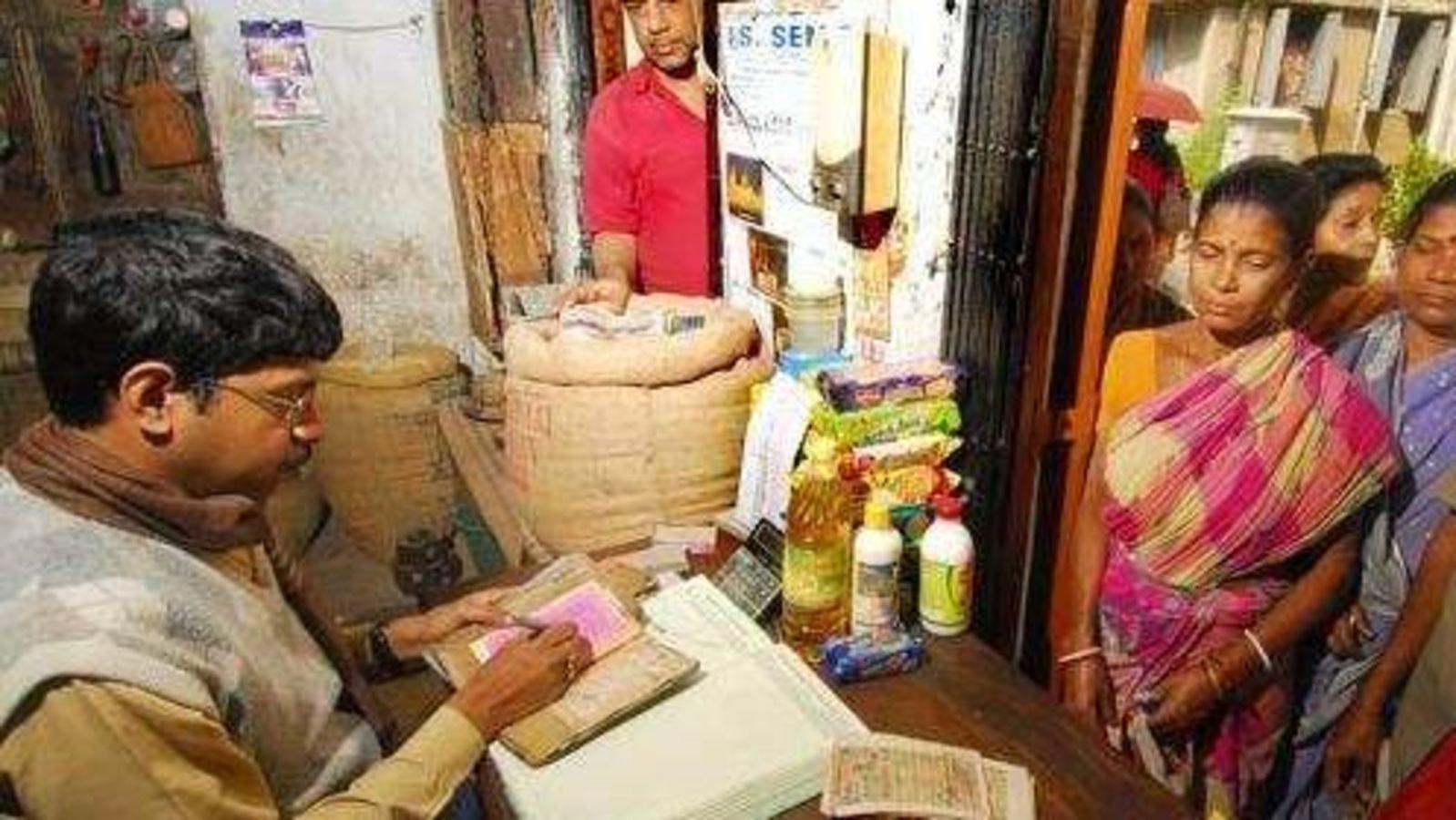
A Tripura ration shop dispute has triggered a fresh political and administrative controversy after allegations surfaced of local political pressure and possible non-compliance with an active High Court order. The matter has raised wider questions about the functioning of the public distribution system and whether administrative decisions are being taken consistently with judicial directions. The allegations remain contested and require verification through official records and court proceedings.
The controversy comes against the backdrop of continuing concerns over ration-shop administration in Tripura. Earlier reports have highlighted complaints involving supply shortages, dealer payments, product quality and the functioning of fair-price shops. Consequently, the latest dispute has added another dimension to the debate over accountability within the state’s ration distribution system.
Tripura Ration Shop Dispute Brings Political Pressure Allegations
The latest controversy centres on allegations of political influence in a ration shop dispute. According to a TripuraInfo report dated September 12, the matter has triggered claims of political pressure. It has also raised questions about compliance with an existing High Court order.
However, authorities have not established these allegations as facts. Political pressure is a serious claim. Evidence from official communications, statements and court records would help determine what happened.
The dispute has attracted attention because ration shops operate under the Public Distribution System. They directly serve beneficiaries who depend on subsidised foodgrains. Therefore, disagreements over dealership, administration or control can quickly gain wider public attention.
Moreover, an existing judicial direction adds a legal dimension to the dispute. Parties must follow court orders when those orders apply to them. This requirement remains important regardless of political affiliations or local interests.
High Court Order Becomes Central to the Controversy
The key issue in the Tripura ration shop dispute concerns an allegation that authorities or individuals may have ignored an active High Court order. The legal implications depend on the order’s wording and scope. They also depend on the actions taken by the concerned parties.
A court order binds the parties covered by its terms. Consequently, alleged non-compliance can raise serious legal questions. However, an allegation alone does not prove contempt or other wrongdoing.
The court would need to examine the actual order and any later directions. It may also consider administrative records and the facts surrounding the ration shop. Therefore, reports of defiance should remain separate from any judicial finding of wrongdoing.
Tripura has previously seen litigation over fair-price shop dealerships. In one High Court case involving a ration shop at Laxmipur in Belonia, the court examined a dispute over the surrender of a dealership. It also considered the appointment process that followed. The court later dismissed the petition after reviewing the circumstances presented by both sides.
That case shows why ration-shop disputes can involve detailed questions. These include licensing decisions, dealership rights, administrative powers and public interest. Moreover, courts may examine the actions of authorities alongside claims made by dealers before reaching a conclusion.
Ration Shop Accountability Faces Wider Questions
The latest dispute has emerged amid wider concerns about Tripura’s Public Distribution System. A May 2026 report cited complaints from several areas about irregular supplies of rice, flour and sugar. Ration dealers also reportedly raised concerns about delayed commissions and operating costs. These claims remained allegations and did not establish wrongdoing.
Earlier reports also raised complaints about the quality and quantity of ration commodities. Consumers and political representatives criticised some aspects of the supply system. Meanwhile, the Food and Civil Supplies Department responded to some concerns in the Assembly.
Food and Civil Supplies Minister Sushanta Chowdhury spoke about the issue in the Assembly in August. He said price increases at the production source contributed to higher retail prices. He also said departmental officials and subdivision-level authorities had discussed the matter.
Therefore, the latest ration shop dispute fits into a wider administrative debate. The present controversy involves alleged political pressure and a possible conflict with a court order. The broader PDS discussion also covers supply management, dealer administration and beneficiary access.
Additionally, authorities must follow prescribed procedures when they regulate fair-price shops. Courts in Tripura have previously examined questions about the appointment, suspension and regulation of ration-shop dealers.
Rule of Law Debate Intensifies in Tripura
The allegation of political interference has gained significance because it involves the broader principle of the rule of law. Administrative authorities should base their decisions on applicable laws, regulations and judicial directions.
Consequently, credible allegations of political pressure may require proper scrutiny. At the same time, authorities should not prejudge individuals or institutions before establishing the facts.
This distinction matters in politically sensitive disputes. One side may allege interference while another side rejects the claim. Independent documentation can help clarify the facts. Court orders, departmental files, licensing records and written communications can show what decisions officials made and why.
Furthermore, parties can seek clarification or appropriate relief from the court when an active High Court order governs a dispute. This legal route can help prevent an administrative disagreement from becoming a wider political conflict.
The controversy also raises questions about institutional accountability. Officials may face competing political demands while operating under judicial directions. In such situations, they should maintain clear records of their decisions and the legal grounds behind them.
Administrative Response Could Shape the Outcome
The next stage of the Tripura ration shop dispute will depend on how the concerned authorities and parties respond. If the matter returns to court, the bench could examine whether the parties followed its earlier directions. It could also consider whether later administrative actions complied with the law.
Meanwhile, the administration may need to clarify the status of the disputed ration shop. It may also need to explain the basis for any decision taken in the case. A clear explanation could reduce uncertainty among beneficiaries and other stakeholders.
Importantly, the dispute should not disrupt ration distribution to eligible beneficiaries. Fair-price shops provide essential foodgrains through the PDS. Administrative disagreements should therefore not unnecessarily affect this public service.
The controversy also creates an opportunity to strengthen procedures for ration-shop disputes. Clear documentation and timely communication can reduce confusion. Authorities can also lower the risk of competing claims by following judicial directions closely.
Moreover, accountability should apply to all sides. Authorities must follow the law. Political actors should avoid improper interference. Individuals involved in dealership disputes should use established legal and administrative channels to protect their interests.
Conclusion
The Tripura ration shop dispute has raised questions about alleged political pressure and possible non-compliance with an active High Court order. However, these allegations do not establish wrongdoing by themselves. The reported controversy nevertheless highlights the need for transparency and compliance with judicial directions.
The matter also comes amid wider concerns about ration-shop administration. These concerns include supply management, dealer payments and beneficiary services. Therefore, documented procedures and lawful channels will remain important for resolving the dispute.
Ultimately, the rule of law requires administrative decisions to rest on legal authority rather than improper influence. If questions remain about compliance with a High Court order, the appropriate legal process should determine the matter.
FAQs
What is the Tripura ration shop dispute about?
The dispute involves allegations of local political pressure and questions over compliance with an active High Court order concerning a ration shop. The specific allegations remain subject to verification and legal examination.
Why is the High Court order important?
A court order is binding within its applicable scope. Therefore, any allegation that an administrative action conflicts with an existing judicial direction can raise important legal questions.
Does the controversy prove political interference?
No. Political interference is an allegation reported in connection with the dispute. Establishing whether interference actually occurred would require evidence and, where necessary, an appropriate legal or administrative finding.
Why are ration-shop disputes important?
Fair-price shops form part of the Public Distribution System and provide subsidised foodgrains to eligible beneficiaries. Consequently, disputes involving dealership or administration can have implications for public service delivery.
What could happen next in the Tripura ration shop dispute?
The concerned authorities may clarify the administrative position, while affected parties can use available legal remedies. If the High Court’s order becomes a central issue, the court may ultimately determine whether subsequent actions complied with its directions.