


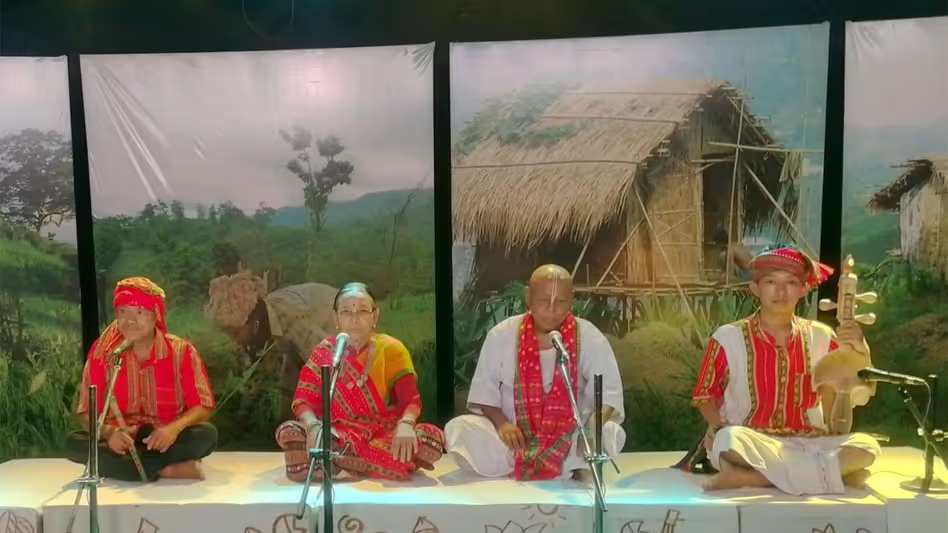
Tripura’s traditional musical instrument, the Sarinda, has received a Geographical Indication (GI) tag, marking a significant achievement for the state’s cultural heritage and indigenous craftsmanship. Registered as “Tripura Sarinda (Musical Instrument),” the recognition aims to preserve and promote one of Tripura’s oldest folk instruments while supporting local artisans and musicians.
Chief Minister Manik Saha welcomed the development and described it as a proud moment for the state. The GI tag is expected to increase national and international awareness of Tripura’s rich musical traditions and create new opportunities for cultural preservation and economic growth.
Read More: Meghalaya Cave Exploration Team Maps Three New Limestone Systems in Jaintia Hills – Borok Times
Key Facts
- Product: Tripura Sarinda (Musical Instrument)
- Recognition: Geographical Indication (GI) Tag
- State: Tripura
- Announced By: Chief Minister Manik Saha
- Cultural Significance: Traditional bowed string instrument of indigenous communities
- Benefits: Heritage preservation, artisan support, cultural promotion
- Tripura’s GI Products: Tripura Queen Pineapple, Tripura Risha and Pachra (Rignai), Matabari Pera, and Tripura Sarinda
- Communities Associated: Indigenous tribal communities of Tripura
Tripura Sarinda Earns Prestigious GI Tag
Tripura’s traditional string instrument, the Sarinda, has officially received a Geographical Indication (GI) tag, providing a major boost to the state’s cultural identity and traditional craftsmanship.
Registered under the name “Tripura Sarinda (Musical Instrument),” the recognition highlights the instrument’s unique historical and cultural importance. Furthermore, the GI tag protects the authenticity of the instrument and promotes its association with Tripura’s indigenous heritage.
The development marks another milestone in the state’s efforts to preserve traditional art forms and promote local cultural assets.
Chief Minister Calls It a Proud Moment
Chief Minister Manik Saha welcomed the recognition and described it as a proud achievement for Tripura.
According to the Chief Minister, the GI tag will play an important role in preserving the state’s traditional musical heritage. Moreover, it will help introduce the Sarinda to wider audiences across India and abroad.
He also emphasized that the recognition could create new opportunities for artisans, craftsmen, and musicians who continue to keep this centuries-old tradition alive.
Recognition for Artisans and Musicians
The Chief Minister congratulated the artisans and musicians whose dedication helped secure the GI recognition.
For generations, local craftsmen have carefully handcrafted the Sarinda using traditional techniques passed down through families. Similarly, musicians have preserved its unique sound through cultural performances, festivals, and community gatherings.
As a result, the GI tag serves as recognition of their contribution to safeguarding Tripura’s cultural legacy.
Tripura Now Has Four GI-Tagged Products
With the inclusion of the Sarinda, Tripura’s list of GI-tagged products has expanded to four.
The state’s other GI-recognized products include:
- Tripura Queen Pineapple
- Tripura Risha and Pachra (Rignai)
- Matabari Pera
These recognitions showcase Tripura’s rich cultural, agricultural, and artisanal heritage. Furthermore, they help strengthen the state’s identity in national and international markets.
Sarinda Holds Deep Cultural Significance
Traditional musician Khetra Mohan Debbarma described the Sarinda as an essential part of Tripura’s indigenous culture.
He noted that tribal communities have used the instrument for generations and continue to feature it prominently in cultural events and traditional performances.
Furthermore, the Sarinda remains closely linked to the history, customs, and artistic expressions of Tripura’s indigenous people. Its unique sound has long accompanied folk songs, storytelling traditions, and ceremonial occasions.
Young Artists Welcome the Recognition
Young tribal artist Athukuri Debbarma also welcomed the GI tag and described it as an important acknowledgment of Tripura’s tribal heritage.
He expressed gratitude to both the Central Government and the Tripura Government for supporting efforts to secure the recognition.
According to him, the GI tag will encourage younger generations to learn, preserve, and promote traditional musical practices. Moreover, it may inspire greater interest in indigenous art forms among youth.
How the GI Tag Will Benefit Tripura
Experts believe the GI recognition will provide several long-term benefits for the state.
First, it will help preserve the authenticity of the Sarinda and prevent misuse of its identity. Second, it can increase market visibility for local artisans who craft the instrument.
Additionally, the recognition may encourage cultural tourism and generate new economic opportunities linked to traditional arts and crafts. As awareness grows, more people may seek to learn about Tripura’s musical heritage and indigenous traditions.
Furthermore, GI recognition often helps communities gain better value for their unique products while protecting traditional knowledge.
Symbol of Tripura’s Cultural Identity
The Sarinda is a handcrafted bowed string instrument that occupies a special place in Tripura’s folk music traditions.
For decades, it has served as a symbol of the state’s cultural identity and indigenous heritage. Even today, artists continue to use the instrument during cultural exhibitions, folk performances, and events celebrating Tripura’s royal and tribal history.
Therefore, the GI tag is expected to strengthen conservation efforts and ensure that future generations continue to appreciate and preserve this important musical tradition.
Importance of Tripura and Northeast India
Tripura is known for its rich tribal heritage, traditional crafts, and vibrant folk culture. Therefore, recognition of cultural assets such as the Sarinda not only preserves local traditions but also highlights the unique cultural diversity of Northeast India. Such achievements contribute to cultural tourism, heritage conservation, and regional pride.
Questions and Answers
What is the Tripura Sarinda?
The Tripura Sarinda is a traditional bowed string instrument closely associated with the folk music traditions of the state’s indigenous communities.
What recognition has the Sarinda received?
The instrument has received a Geographical Indication (GI) tag under the name “Tripura Sarinda (Musical Instrument).”
Why is the GI tag important?
The GI tag protects the authenticity of the instrument, promotes cultural heritage, and supports local artisans and musicians.
How many GI-tagged products does Tripura have now?
Tripura now has four GI-tagged products, including Tripura Queen Pineapple, Tripura Risha and Pachra (Rignai), Matabari Pera, and the Tripura Sarinda.
How will artisans benefit from the GI tag?
The recognition can increase visibility, improve market opportunities, and help preserve traditional craftsmanship.
Why is the Sarinda culturally important?
The instrument has been part of Tripura’s indigenous culture for generations and remains an important symbol of the state’s folk music and tribal heritage.
Also Read: Assam Issues Flood Alert After Arunachal Flash Floods