


The Tripura Tribal Areas Autonomous District Council (TTAADC) is set to receive greater powers over land and finances as the implementation of the tripartite agreement begins.
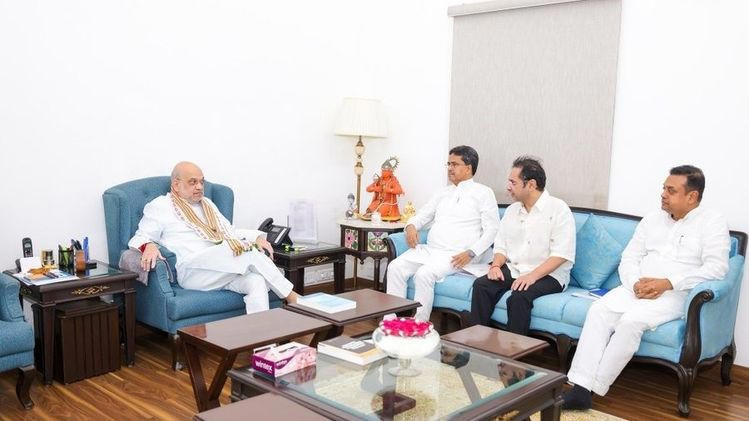
The development follows discussions between Union Home Minister Amit Shah, Tripura Chief Minister Manik Saha and Tipra Motha founder Pradyot Kishore Manikya Debbarma in New Delhi.
The Centre, the Tripura government and Tipra Motha signed the tripartite agreement in March 2024 to address several political, economic, social and cultural concerns of the state’s indigenous communities.
Sources said the government plans to implement the agreement in phases. The first phase could begin shortly and may provide the TTAADC with greater administrative and financial authority.
The proposed changes could also give the autonomous council more powers over land within areas covered by the Sixth Schedule of the Constitution.
Read More: Tripura Launches App-Based Cab and Auto Services, Metaverse Tourism at Key Entry Points
TTAADC May Receive Greater Powers Over Land
Land rights remain one of the most important issues for indigenous communities in Tripura.
According to reports, the Centre and the Tripura government are considering measures that would provide the TTAADC with greater authority over land-related matters within its jurisdiction.
The autonomous council currently plays an important role in the administration and development of tribal areas. Greater land powers could further strengthen its ability to address issues affecting indigenous communities.
Sources said discussions during the high-level meeting included land allotment powers and the role of the TTAADC in managing land matters.
The proposed changes could allow the council to exercise greater control over land-related decisions in areas under its jurisdiction.
The government has not yet announced the complete details of the proposed framework. However, the discussions indicate that land rights will form an important part of the agreement’s implementation.
Greater Financial Autonomy for the Tribal Council
The proposed implementation process also focuses on strengthening the financial powers of the TTAADC.
According to reports, Tipra Motha has raised demands for greater financial autonomy for the autonomous council.
The discussions reportedly received a positive response from the Centre.
Greater financial authority could allow the TTAADC to play a stronger role in planning and implementing development programmes in tribal areas.
Sources also said the government may consider increasing the council’s budget.
A larger financial allocation could help the TTAADC expand development initiatives and address infrastructure and welfare needs across its jurisdiction.
The council oversees a large tribal population in Tripura. Supporters believe that greater financial powers could improve local planning and allow the council to respond more effectively to the needs of indigenous communities.
Tripartite Agreement Moves Towards Implementation
The tripartite agreement between the Centre, the Tripura government and Tipra Motha marked an important political development for the state’s indigenous communities.
The three sides signed the agreement in March 2024 after discussions on several long-standing issues.
The agreement focuses on the development, identity and welfare of Tripura’s indigenous population.
The latest discussions suggest that the government has now begun moving towards implementing the commitments made under the agreement.
Sources indicated that the authorities may introduce the measures in phases.
This approach could allow the government to address different aspects of the agreement over time.
The implementation process may include administrative changes, financial measures and new development initiatives for tribal areas.
However, the government will need to announce the final framework and timeline for the proposed changes.
High-Level Meeting Brings Pact Implementation Into Focus
The issue gained fresh attention after Amit Shah met Manik Saha and Pradyot Kishore Manikya Debbarma in New Delhi.
BJP North East Coordinator Sambit Patra also attended the meeting.
The leaders reportedly discussed the implementation of the tripartite agreement and issues concerning Tripura’s indigenous population.
The discussions also took place ahead of the upcoming Village Committee elections under the TTAADC.
This timing has added political significance to the meeting.
The meeting has also fuelled speculation about a possible political understanding between the BJP and Tipra Motha.
However, neither party has officially announced an alliance for the Village Committee elections.
For Tipra Motha, the implementation of the tripartite agreement remains a major political priority.
The party has consistently raised issues related to indigenous rights, land, development and greater powers for the autonomous council.
Education and Healthcare Demands Also Discussed
Apart from land and financial powers, the discussions reportedly included demands for stronger education and healthcare infrastructure in tribal areas.
Tipra Motha has sought major educational and healthcare institutions within the TTAADC region.
Improved access to education and healthcare remains an important development concern for many remote and tribal areas.
New institutions could help residents access essential services closer to their communities.
The government may consider these demands as part of its broader approach towards improving infrastructure and welfare facilities in tribal regions.
Details about specific institutions and projects are expected to become clearer after official announcements.
The discussions show that the implementation process may go beyond administrative and financial reforms.
It could also focus on improving public services and development infrastructure.
What Greater Autonomy Could Mean for Tribal Areas
Greater land and financial powers could strengthen the role of the TTAADC in Tripura’s tribal regions.
Local institutions often play an important role in understanding the needs of communities. More authority could help the council take decisions based on local priorities.
Greater financial autonomy could also give the TTAADC more flexibility in planning development projects.
The council could potentially focus on infrastructure, education, healthcare and welfare programmes based on regional requirements.
Similarly, greater land-related authority could help the council play a stronger role in decisions affecting tribal areas.
However, the impact of the proposed changes will depend on the final powers granted to the council and the mechanisms created for their implementation.
Official notifications and policy decisions will provide greater clarity on the scope of the reforms.
Implementation May Shape Tripura’s Political Landscape
The move towards implementing the tripartite agreement could also have wider political implications.
The TTAADC holds significant importance in Tripura’s tribal politics.
The upcoming Village Committee elections have already increased political activity in the region.
Progress on the agreement could become a major issue ahead of the polls.
The reported developments have also strengthened speculation about future cooperation between the BJP and Tipra Motha.
Both parties have not yet confirmed any electoral arrangement.
For now, the focus remains on the implementation of the commitments made under the tripartite agreement.
A New Phase for Tripura’s Indigenous Development
The proposed move to provide greater land powers and financial autonomy to the TTAADC could mark an important phase in the development of Tripura’s tribal areas.
The implementation of the tripartite agreement has raised expectations among indigenous communities and political stakeholders.
Greater administrative authority, improved financial support and stronger development infrastructure could help the autonomous council play a larger role in the region.
The Centre and the Tripura government are expected to provide more details as the implementation process moves forward.
The success of the initiative will depend on how effectively the authorities translate the commitments of the tripartite agreement into concrete measures.
As the process begins, all eyes will remain on the next steps and the changes that could reshape the powers and functioning of Tripura’s tribal council.