


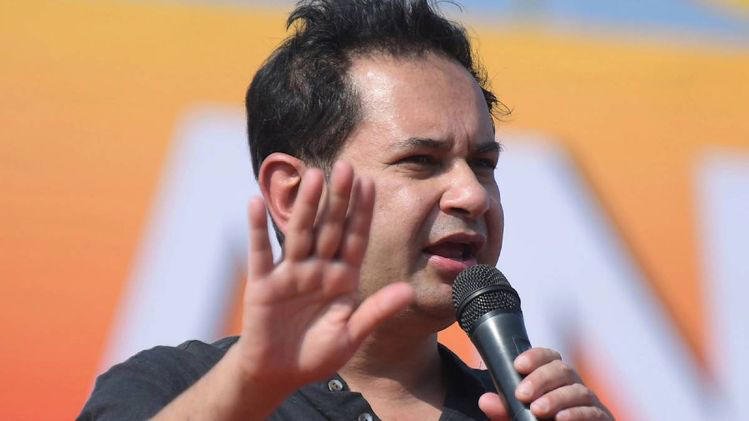
Tipraha Indigenous Progressive Regional Alliance (TIPRA) chief Pradyot Kishore Manikya Debbarma has alleged that Tripura tribals are being evicted from District Council areas to make way for outsiders. Speaking at a gathering in Agartala, he claimed that the eviction drive was a calculated attempt to displace indigenous communities. According to him, such actions not only undermine the rights of tribals but also threaten the cultural fabric of the state.
Pradyot, who has often voiced concerns about protecting the identity of indigenous people, said the eviction process was not an isolated incident. He accused the authorities of systematically targeting tribals in order to accommodate non-indigenous settlers. He insisted that the move could lead to unrest if not addressed immediately.
Read More: Bigg Boss 19: Farhana Bhatt, Kunickaa Sadanand clash
District Council land at the heart of the dispute
The Tripura Tribal Areas Autonomous District Council (TTAADC) governs nearly two-thirds of the state’s land, which is primarily inhabited by tribals. Pradyot stressed that the council was created to safeguard indigenous land rights, yet current events suggest otherwise. He alleged that the eviction drive disregards the legal framework established to protect these lands.
According to him, settlers from outside the state were being favored in land allocation. He warned that this would gradually erase the demographic balance. If tribals continue losing their land, their livelihood and traditions would face a serious threat. The issue has sparked widespread concern among community leaders and social groups.
Growing tension in tribal areas
Reports indicate that several families in District Council areas have received notices to vacate their land. Many of them have lived there for generations. The sudden notices have triggered protests, with local groups demanding that authorities revoke the orders. Activists argue that displacement without rehabilitation violates basic human rights.
Pradyot warned that the administration’s silence could escalate tensions. He urged the state government to clarify its stance and stop what he described as an assault on tribal identity. He further cautioned that ignoring the voices of indigenous people could have long-term political consequences in Tripura.
Calls for unity among tribals
The TIPRA chief appealed to all tribal groups to stand united against the eviction drive. He reminded them that internal divisions weaken their ability to resist external pressures. His message was clear: unity is the only way to protect land and identity.
Community elders have echoed this call, urging young people to become more vocal about the issue. Youth organizations across the District Council areas have already begun mobilizing support. Social media platforms are also being used to spread awareness about the alleged eviction.
Political implications of the eviction issue
The allegations have created ripples in the political arena. Opposition parties have demanded answers from the ruling government. They argue that the eviction contradicts earlier promises to safeguard indigenous rights. Critics believe the move could alienate tribal voters ahead of future elections.
The state government, however, has not issued a detailed response. Officials maintain that land disputes in District Council areas are complex and require careful handling. They argue that some cases involve encroachments, which must be addressed legally. Yet, the lack of transparency has fueled suspicions among tribal groups.
Pradyot vows to continue fight
Pradyot declared that he would not back down from raising the issue at every possible platform. He said the protection of tribal land was non-negotiable. According to him, the eviction drive symbolizes a deeper plan to dilute indigenous rights. He also hinted at intensifying protests if the government fails to act.
He reassured tribals that he stands firmly with them and will continue the struggle until justice is delivered. His party, TIPRA, is expected to launch campaigns across tribal regions to keep the issue alive in public debate.
Wider concerns over demographic change
Experts warn that the eviction issue touches upon a larger demographic concern in Tripura. The state has long witnessed migration, altering its social composition. Tribal groups, who were once the majority, now form a smaller share of the population. The fear of losing land deepens this sense of insecurity.
Pradyot’s remarks have revived debates on how to strike a balance between development and the rights of indigenous communities. Activists stress that protecting cultural heritage should go hand-in-hand with economic progress. If policies continue to sideline tribals, it could widen social divides in the state.
Need for dialogue and resolution
Observers suggest that the state government must initiate dialogue with tribal leaders to resolve the crisis. Transparent communication, they argue, would help reduce mistrust. Rehabilitation and fair compensation for displaced families could also form part of the solution.
Pradyot has repeatedly emphasized that tribals are not against development. What they oppose is the loss of land without proper safeguards. He believes that development policies should integrate tribal aspirations instead of displacing them. Without such measures, the state risks deepening unrest.
The allegations of Tripura tribals facing eviction from District Council areas have sparked a major controversy. Pradyot Manikya Debbarma’s strong words have brought the issue to the forefront of state politics. While the government has remained guarded in its response, pressure is mounting from both tribal groups and opposition parties.
The focus keyphrase, Tripura tribals eviction, reflects the urgency of the matter. The struggle now lies in ensuring that indigenous voices are heard and their rights respected. Unless addressed promptly, the dispute could fuel deeper divisions in Tripura’s already sensitive social landscape.
Read More: Manipur warns bus operators on fare concessions for disabled