


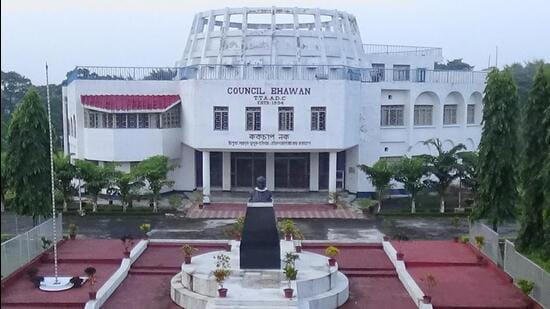
The Tripura TTAADC Election 2026 is set to take place on April 13, with the counting of votes scheduled for April 17. The announcement has triggered political activity across the state, as parties gear up for one of the most significant local body elections in Tripura. The Tripura Tribal Areas Autonomous District Council plays a crucial role in governing tribal areas, making the election highly important for regional politics and development.
The State Election Commission confirmed the dates and stated that preparations have already begun to ensure a smooth and fair electoral process. Officials are focusing on security arrangements, polling infrastructure, and voter awareness initiatives. The announcement has also intensified campaigning, with major political parties mobilizing resources and reaching out to voters in tribal regions.
Importance of TTAADC in Tripura Governance
The Tripura Tribal Areas Autonomous District Council is an autonomous administrative body that governs a large portion of Tripura’s tribal areas. It was established under the Sixth Schedule of the Indian Constitution to provide self-governance to indigenous communities. The council holds authority over key areas such as land management, forest resources, and local administration.
This makes the Tripura TTAADC Election 2026 particularly significant, as the results will directly influence policy decisions affecting tribal populations. Moreover, the council plays a key role in preserving cultural identity and ensuring socio-economic development in these areas.
Political Landscape Ahead of the Polls
The upcoming election is expected to witness intense competition among major political parties, including the Bharatiya Janata Party, Tipra Motha Party, and the Communist Party of India (Marxist). Each party is likely to focus on issues such as tribal rights, infrastructure development, employment, and welfare schemes.
Tipra Motha, which performed strongly in previous TTAADC elections, is expected to remain a key player. The party has consistently emphasized greater autonomy and rights for indigenous communities. Meanwhile, the BJP is likely to campaign on development initiatives and governance achievements.
The CPI(M), which once dominated the council, is also aiming to regain its lost ground. As a result, the Tripura TTAADC Election 2026 is shaping up to be a multi-cornered contest, making it unpredictable and highly competitive.
Election Preparations and Security Measures
Authorities have begun extensive preparations to ensure peaceful polling on April 13. The State Election Commission is coordinating with district administrations and security agencies to deploy adequate forces across sensitive areas. Special attention is being given to remote and interior regions, where accessibility remains a challenge.
Polling stations will be set up with necessary facilities, including voter assistance booths and security arrangements. Additionally, officials are working on voter awareness campaigns to encourage maximum participation. These efforts aim to ensure a transparent and inclusive electoral process.
The counting of votes on April 17 is expected to be conducted under strict supervision. Results will likely be declared on the same day, providing clarity on the political future of the council.
Voter Participation and Public Expectations
Voter turnout will be a key factor in determining the outcome of the Tripura TTAADC Election 2026. In previous elections, participation levels have been significant, reflecting strong engagement among communities. This time as well, authorities are hopeful of high turnout.
Voters are expected to focus on issues such as development, employment opportunities, healthcare, education, and infrastructure. Many residents also prioritize the protection of land rights and cultural heritage. Therefore, political parties are tailoring their campaigns to address these concerns.
The election also provides an opportunity for younger voters to participate actively in the democratic process. With increasing awareness and connectivity, youth engagement is likely to play a decisive role.
Key Challenges and Election Issues
Despite preparations, several challenges remain. Ensuring accessibility in remote areas, maintaining law and order, and preventing electoral malpractices are key concerns for authorities. However, officials have expressed confidence in handling these challenges effectively.
Another major issue is balancing development with the preservation of cultural identity. Political parties will need to address this carefully, as it remains a sensitive topic among voters.
Additionally, economic development, job creation, and infrastructure improvement are expected to dominate campaign narratives. The ability of parties to present practical solutions will likely influence voter decisions.
What to Expect After the Results
The counting on April 17 will mark a crucial moment in Tripura’s political landscape. The results of the Tripura TTAADC Election 2026 will determine the direction of governance in tribal areas for the coming years.
A clear mandate for any party could lead to more stable governance, while a fragmented result may result in coalition dynamics. In either case, the focus will remain on delivering development and addressing the needs of local communities.
Furthermore, the outcome may also have implications for broader state politics. Political analysts believe that performance in the TTAADC elections often reflects public sentiment ahead of larger electoral battles.
Conclusion
The Tripura TTAADC Election 2026, scheduled for April 13 with counting on April 17, is set to be a significant political event in the state. With high stakes for governance in tribal areas, the election has drawn attention from political parties, voters, and observers alike.
As preparations continue and campaigns intensify, all eyes will be on voter turnout and final results. Ultimately, the election will play a crucial role in shaping the future of Tripura’s tribal regions and their path toward development and self-governance.