


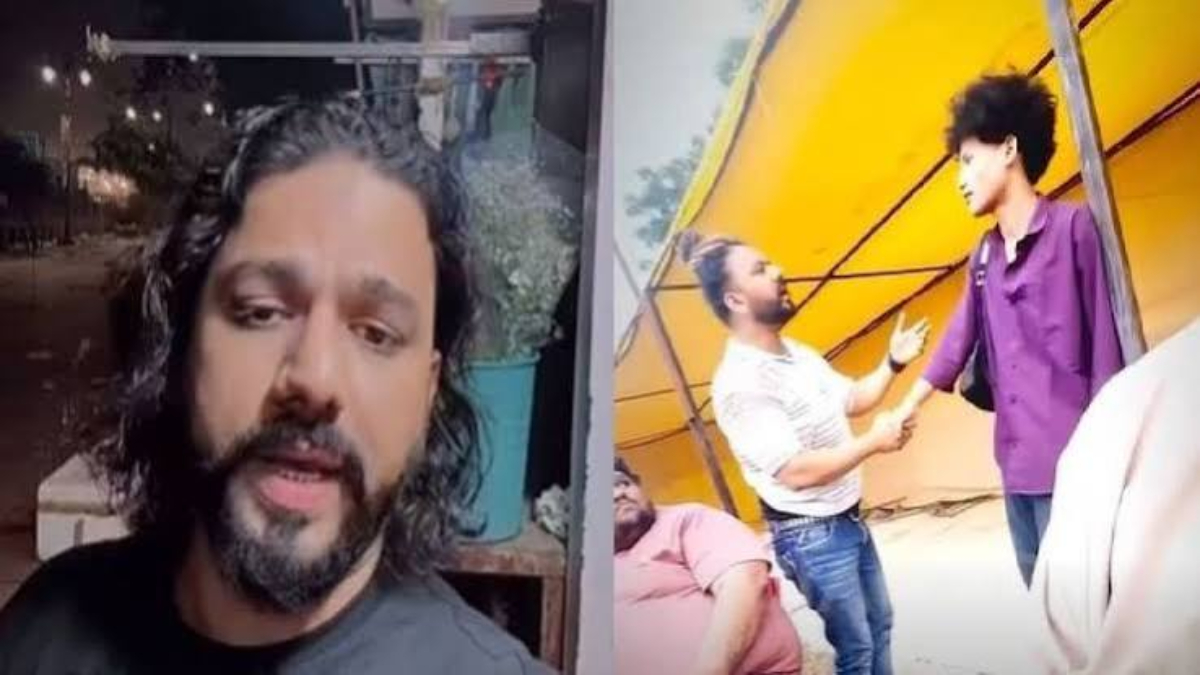
A Tripura youth became the centre of a social media controversy after a video allegedly showing racial remarks against him circulated online. Content creator Amir Shokeen has apologised following criticism over the clip, which reportedly showed the young man being mocked as “Chinese”.
The incident has renewed concerns about racial stereotyping and discrimination against people from Northeast India. Meanwhile, political representatives from Tripura have condemned the alleged conduct and called for appropriate action.
Tripura youth video sparks online backlash
The controversy emerged after footage purportedly featuring Shokeen and the young man began circulating on social media. The video drew criticism from viewers who objected to the alleged remarks and their reference to the youth’s appearance and regional identity.
According to a report by India Today NE, the footage appeared to show the young man being mocked with the word “Chinese”. Critics argued that such comments reinforce harmful stereotypes about people from the Northeast.
However, the complete circumstances surrounding the encounter have not been independently established. The allegations should therefore be distinguished from verified facts about the incident.
The controversy also raised questions about the responsibility of social media creators when producing content involving other people. Although online videos may be presented as entertainment, remarks targeting ethnicity or physical appearance can cause offence and deepen existing prejudices.
Amir Shokeen apologises to Tripura youth
Following the backlash, Shokeen issued an apology through a Facebook post. He claimed that the video was scripted and described the interaction as humorous content involving someone he knew.
According to the report, Shokeen said the young man had previously worked at a friend’s cafe in Ahmedabad. He maintained that he had no intention of insulting anyone through the video.
In his statement, Shokeen expressed regret if his remarks had hurt anyone’s feelings. He also addressed the people of Tripura directly and apologised for the offence caused.
His explanation has become a central part of the controversy. However, describing an interaction as scripted does not automatically resolve concerns about the language used or its potential impact on viewers.
The incident highlights the importance of considering how audiences interpret online content, particularly when it involves racial or regional stereotypes.
Tripura youth incident draws political reaction
The video also prompted reactions from political representatives in Tripura. Tipra Motha MLA Paul Dangshu condemned the alleged racial harassment and urged the Delhi Police to take immediate legal action.
Dangshu argued that racial abuse and humiliation should not be justified as humour or dismissed as part of content creation. He also stressed the importance of protecting the dignity of people from Tripura and other northeastern states.
Meanwhile, CPI(M) leader and Tripura Opposition Leader Jitendra Chaudhury reportedly condemned the alleged incident and demanded an unconditional apology from Shokeen.
These reactions reflect wider concerns about how people from Northeast India are treated in other parts of the country. They also underline calls for authorities to examine allegations of racial harassment through appropriate procedures.
However, demands for action do not establish that a criminal offence has occurred. Any legal response would depend on the available evidence and the applicable law.
Why racial stereotyping remains a concern
People from Northeast India have repeatedly raised concerns about being stereotyped because of their physical features, ethnicity and regional backgrounds. Referring to someone as “Chinese” because of their appearance can wrongly question their identity and nationality.
India’s Northeast is home to diverse communities, languages, cultures and traditions. Treating people from the region as though they share one identity overlooks that diversity and can contribute to discrimination.
Social media adds another layer to the issue. Videos can reach large audiences quickly, while short clips may lack the context needed to understand an entire interaction.
Therefore, creators should consider the possible consequences before publishing content that targets another person’s appearance or background. Viewers, too, can help discourage harmful behaviour by questioning stereotypes rather than normalising them.
Tripura youth controversy renews call for accountability
The apology from Amir Shokeen has brought renewed attention to the allegations involving the Tripura youth. While Shokeen maintains that the video was scripted and that he intended no offence, the incident has prompted criticism from political leaders and social media users.
The controversy also raises a broader question about the limits of humour in public content. A creator’s intention and an audience’s response may differ, particularly when a joke relies on racial or ethnic stereotypes.
Going forward, the focus remains on understanding the full circumstances of the incident and addressing concerns about discrimination responsibly. Public discussion can help highlight the issue, but claims about wrongdoing must remain grounded in evidence.
Ultimately, people from Tripura and other northeastern states deserve equal respect and dignity. Online popularity should not come at the cost of another person’s identity, and apologies should form part of a wider commitment to respectful conduct.
Form-6 changes now face scrutiny over Gogoi’s claims