


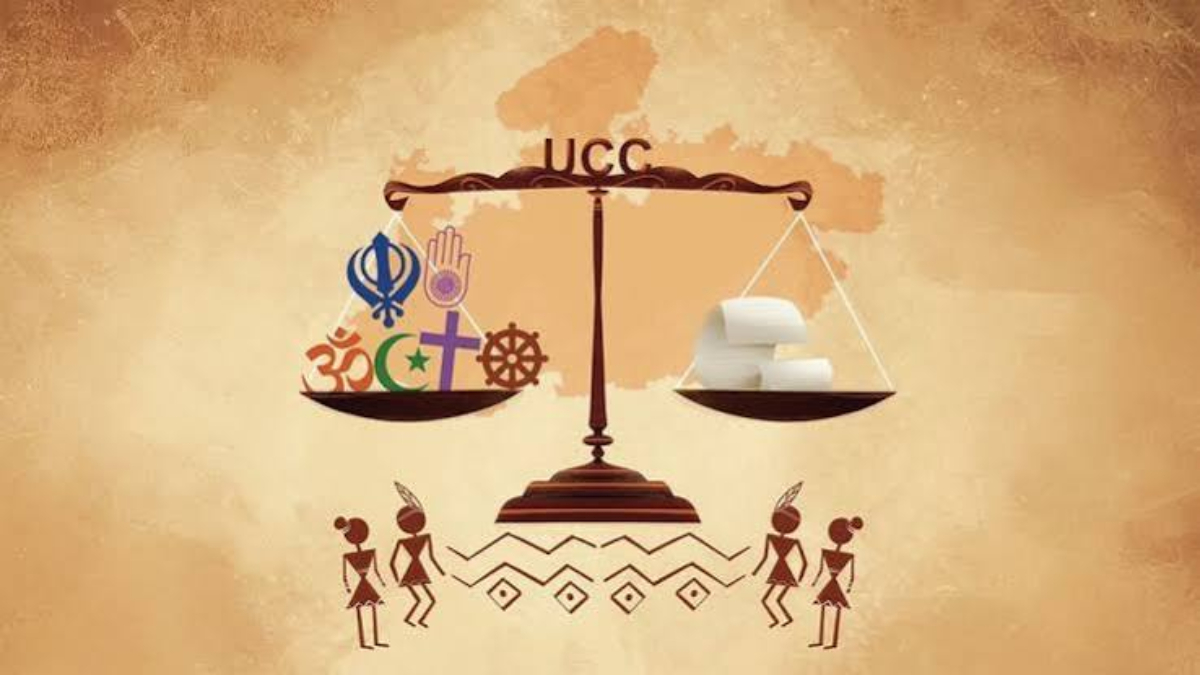
UCC in Mizoram has gained fresh political attention after BJP MLA K Hrahmo called for a detailed examination of the Uniform Civil Code and its possible application in the state. He said the move could strengthen legal protection for Mizo women who marry non-tribal men.
Hrahmo, the MLA from Palak, made the remarks during a political session at the BJP Mizoram office in Aizawl on September 21. He linked his demand to concerns over marriage, property rights and cases in which women and children may face difficulties after inter-community marriages.
UCC in Mizoram and women’s rights
Hrahmo said UCC in Mizoram could address gaps that he believes affect Mizo women in some inter-community marriages. He referred to cases involving non-tribal men who marry Mizo women while already having another wife.
The BJP MLA also alleged that some men involve their Mizo wives in business activities before abandoning them and their children after business failures. These remain allegations made by Hrahmo and do not establish that such conduct occurs broadly across inter-community marriages.
He argued that UCC provisions on monogamy and property division after divorce could give women stronger legal safeguards. In his view, those provisions could help Mizo women protect their interests when marriages break down.
Why UCC in Mizoram remains sensitive
The debate over UCC in Mizoram goes beyond marriage law. It also touches on tribal identity, customary practices, inheritance and property rights.
Mizoram has its own legal framework for marriage, divorce and inheritance among Mizo communities. The Mizo Marriage, Divorce and Inheritance of Property Act, 2014, has also faced legal scrutiny over its treatment of Mizo women who marry non-Mizo men.
In August, the Supreme Court directed a petitioner challenging amendments to the law to approach the Gauhati High Court. The petition raised concerns about the rights of Mizo women and their children in inter-community marriages.
That legal dispute has added another layer to the debate over how Mizoram should balance customary law with individual rights.
Tribal safeguards could shape UCC in Mizoram
Hrahmo also addressed concerns about the impact of a UCC on tribal communities. He said tribal populations have received exemptions from UCC provisions in states that have introduced such laws.
Uttarakhand offers one example. The state implemented its UCC in January 2025 and excluded Scheduled Tribes from its scope. Its framework covers areas such as marriage, divorce, inheritance and related personal-law matters.
However, Mizoram has its own constitutional and customary context. Any proposal for UCC in Mizoram would therefore need to address the state’s tribal institutions, customary practices and existing legal protections.
The exact effect would depend on the provisions of any legislation that the Centre or state might eventually consider.
BJP MLA revives an earlier UCC dispute
Hrahmo’s remarks also reopen a political debate that Mizoram’s Assembly addressed in 2023. In February that year, the state Assembly unanimously passed a resolution opposing moves toward a Uniform Civil Code.
At the time, Mizoram’s lone BJP legislator, BD Chakma, said he needed detailed research before taking a position on the issue. The latest remarks from Hrahmo signal a different approach within the state BJP.
Hrahmo also accused the Congress of portraying the UCC as dangerous for political reasons. That statement reflects his political claim and remains contested.
Meanwhile, political parties and civil society groups across India continue to debate whether a common personal-law framework can coexist with religious and tribal customs.
What the UCC in Mizoram debate could mean
Hrahmo’s demand does not mean that Mizoram has decided to introduce a UCC. Instead, he has called for a closer examination of whether such a law could protect women while respecting the state’s distinctive social and tribal framework.
The debate now brings several issues together: women’s property rights, marriage protections, customary law and tribal safeguards. Each issue could shape any future discussion on UCC in Mizoram.
For Mizoram, the central question will remain how lawmakers can strengthen women’s legal protection without weakening constitutional safeguards or established customary practices. That discussion is likely to continue as political parties examine the issue from different perspective.
Naga Peace Talks Re-evaluation: Nagaland Reviews Dialogue Strategy With Centre