


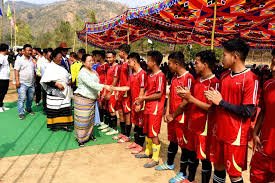
Sixth Schedule demand Manipur has intensified ahead of the Chief Minister’s visit. An indigenous body has raised strong demands for constitutional protection. The focus remains on Pherzawl and tribal areas of Jiribam. The issue highlights growing concerns over rights, governance, and regional identity.
Strong Protest Rengma Youth Assault
Sixth Schedule Demand Manipur Gains Momentum
Sixth Schedule demand Manipur has gained significant momentum ahead of the Chief Minister’s scheduled visit. An indigenous body has raised a strong appeal for constitutional safeguards. The demand focuses on Pherzawl district and tribal areas of Jiribam.
Advanced Boost: Assam Rifles Drone Training
Moreover, the timing of the demand has increased its political importance. Community leaders aim to draw immediate attention from the state government.
Indigenous Body Raises Key Concerns
The indigenous organization has highlighted concerns about governance and protection of tribal rights. It has emphasized the need for constitutional provisions to safeguard land, culture, and identity.
Furthermore, leaders have argued that existing systems do not fully address the needs of tribal communities. Therefore, they believe that the Sixth Schedule offers a more effective framework.
As a result, Sixth Schedule demand Manipur has become a major topic of discussion.
What Is the Sixth Schedule?
The Sixth Schedule of the Indian Constitution provides special administrative arrangements for tribal areas. It allows the creation of autonomous district councils with legislative and judicial powers.
In addition, these councils can manage land, resources, and local governance. This system aims to protect tribal communities and preserve their cultural identity.
Therefore, many indigenous groups view it as a crucial mechanism for self-governance.
Focus on Pherzawl and Jiribam Tribal Areas
Sixth Schedule demand Manipur specifically targets Pherzawl district and tribal regions of Jiribam. These areas have a significant tribal population that seeks greater autonomy.
Moreover, community leaders have expressed concerns about land rights and development policies. They believe that constitutional protection will address these issues effectively.
As a result, the demand has received strong local support.
Timing Ahead of CM Visit
The indigenous body has strategically raised the demand before the Chief Minister’s visit. This timing ensures that the issue remains at the forefront of discussions.
Furthermore, leaders expect direct engagement with government officials during the visit. They aim to present their concerns and seek immediate action.
Therefore, Sixth Schedule demand Manipur has gained urgency in the current political context.
Political and Social Implications
Sixth Schedule demand Manipur carries significant political implications. It may influence policy decisions and future governance structures in the state.
Moreover, the demand reflects broader issues of identity and representation. It highlights the need for inclusive governance that respects diverse communities.
As a result, political observers are closely monitoring developments.
Need for Dialogue and Consensus
The situation calls for constructive dialogue between the government and indigenous groups. Open communication can help address concerns and find balanced solutions.
Furthermore, authorities must consider the long-term impact of any decision. They must ensure that policies promote both development and cultural preservation.
Therefore, consensus-building remains essential in resolving the issue.
Conclusion
Sixth Schedule demand Manipur has emerged as a critical issue ahead of the Chief Minister’s visit. Indigenous groups have raised strong concerns about rights and governance.
Moreover, the demand highlights the importance of constitutional safeguards for tribal communities. The coming days will play a crucial role in shaping the outcome.
FAQs
What is the Sixth Schedule demand in Manipur?
It is a demand by indigenous groups to grant constitutional protection and autonomy to tribal areas like Pherzawl and Jiribam.
Why are Pherzawl and Jiribam important in this demand?
These regions have significant tribal populations seeking better governance and protection of their rights.
What powers does the Sixth Schedule provide?
It allows autonomous councils to manage land, resources, and local governance in tribal areas.
Why is the demand raised now?
The demand has been raised ahead of the Chief Minister’s visit to gain immediate attention and action.
What could be the impact of this demand?
It could influence governance policies and strengthen protections for tribal communities in Manipur.