


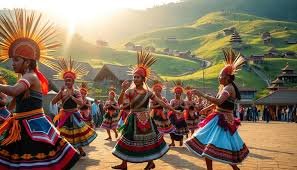
Naga Kuki Tribal Festivals are bringing communities together to celebrate the spring harvest. Villages are observing vibrant rituals, music, and cultural traditions. These Naga Kuki Tribal Festivals highlight rich heritage and unity. The celebrations reflect deep-rooted customs and seasonal joy.
Powerful Akashvani Imphal Young Artists Session Showcases Rising Talent
Spring Harvest Celebrations Begin in Tribal Villages
Naga Kuki Tribal Festivals have started across several villages as communities celebrate the arrival of the spring harvest. People actively participate in traditional rituals and festivities. As a result, villages come alive with cultural energy and joy.
Moreover, these celebrations mark gratitude for a successful harvest season. Therefore, they hold deep cultural and spiritual significance.
Powerful Northeast PhD Research Access Boosts Remote Scholar Opportunities
Rich Traditions and Cultural Practices
Naga Kuki Tribal Festivals showcase unique customs that reflect tribal heritage. Communities perform traditional dances, sing folk songs, and prepare special dishes. Consequently, these activities preserve age-old traditions.
In addition, elders pass down cultural knowledge to younger generations. As a result, these festivals strengthen cultural identity and continuity.
Community Bonding and Social Unity
These festivals play an important role in building community bonds. Families and neighbors gather to celebrate together. Therefore, social unity becomes stronger during these occasions.
Furthermore, collective participation encourages harmony and cooperation. As a result, communities maintain strong relationships and shared values.
Significance of Spring Harvest Festivals
Naga Kuki Tribal Festivals symbolize gratitude, renewal, and prosperity. The spring harvest represents a successful agricultural cycle. Therefore, communities express thanks through rituals and celebrations.
Moreover, these festivals mark the beginning of a new season. Consequently, they inspire hope and positivity among people.
Preservation of Tribal Heritage
These festivals serve as a powerful medium to preserve tribal heritage. Cultural expressions during celebrations keep traditions alive. As a result, younger generations remain connected to their roots.
Additionally, such events attract attention to the rich diversity of tribal cultures. Therefore, they contribute to cultural awareness and appreciation.
Challenges in Maintaining Traditions
Despite their importance, tribal festivals face certain challenges. Modernization and changing lifestyles can impact traditional practices. However, communities continue to protect and promote their heritage.
Moreover, support from cultural organizations can help sustain these traditions. As a result, festivals can continue thriving in the future.
Future of Tribal Cultural Celebrations
The future of Naga Kuki Tribal Festivals looks promising as awareness increases. Communities are actively preserving their traditions while adapting to modern times.
Furthermore, cultural tourism may grow as more people show interest in these festivals. Therefore, these celebrations will gain wider recognition.
FAQs
What are Naga Kuki Tribal Festivals?
They are traditional celebrations observed by Naga and Kuki communities to mark the spring harvest.
Why are these festivals important?
They preserve cultural heritage and celebrate agricultural success.
What activities take place during these festivals?
People perform dances, sing songs, and participate in rituals and feasts.
How do these festivals impact communities?
They strengthen social bonds and promote unity among villagers.
What challenges do these festivals face?
Modernization and changing lifestyles can affect traditional practices.
Conclusion
Naga Kuki Tribal Festivals beautifully reflect the rich cultural heritage of tribal communities. Through vibrant celebrations and meaningful rituals, they preserve traditions and strengthen unity. As these festivals continue, they will remain an essential part of cultural identity and seasonal celebration.