


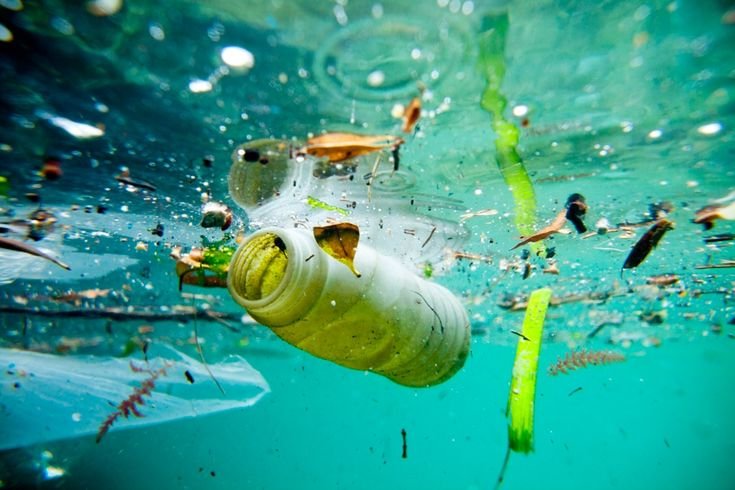
On December 4, 2025, the Rajya Sabha passed a motion to extend the Water Pollution Amendment Act, 2024 to Manipur, which has been under President’s Rule since February 2025. The decision, taken through a voice vote, has sparked debate over governance, environmental protection, and democratic representation in the northeastern state.
Understanding the Water Pollution Amendment Act 2024
The Water Pollution Amendment Act 2024 in Manipur introduces reforms designed to modernize environmental governance:
- Decriminalization of minor offences: Imprisonment for small violations is replaced with monetary penalties.
- Central oversight: The Centre gains authority to prescribe service conditions for chairpersons of State Pollution Control Boards.
- Industrial exemptions: Certain plants are exempted from statutory restrictions, streamlining compliance.
- Ease of doing business: Criminal provisions are rationalized to reduce fear of harsh penalties for technical defaults.
By extending this Act to Manipur, the government aims to strengthen water pollution control while reducing bureaucratic hurdles.
Why Rajya Sabha Acted During President’s Rule
Normally, state legislatures pass such laws. However, with Manipur under President’s Rule, Parliament exercised its constitutional authority to legislate for the state.
Union Environment Minister Bhupender Yadav defended the move, stating that urgent environmental challenges required immediate action. Opposition MPs argued that bypassing the state assembly undermines democratic processes and demanded early elections in Manipur.
Environmental Challenges in Manipur
Manipur faces serious water pollution issues:
- Industrial effluents from small manufacturing units.
- Agricultural runoff with fertilizers and pesticides contaminating rivers.
- Urban sewage polluting lakes and streams.
- Deforestation and poppy cultivation worsening soil erosion and water quality.
The extension of the Water Pollution Amendment Act 2024 in Manipur is expected to provide stronger legal tools to address these challenges while encouraging sustainable practices.
Political and Public Reactions
- Government stance: The ruling party maintained that extending the Act was necessary for governance continuity.
- Opposition voices: MPs like Sushmita Dev criticized the Centre for continuing President’s Rule, arguing that Manipur’s people deserve an elected Assembly.
- Civil society: Environmental activists welcomed stricter water pollution controls but warned against industrial exemptions, fearing misuse.
Impact on Businesses and Citizens
The Act’s extension will affect:
- Industries: Reduced fear of imprisonment for minor defaults, but stricter monetary penalties for repeated violations.
- Citizens: Improved water quality standards and stronger monitoring by Pollution Control Boards.
- Government agencies: Greater central oversight in appointing board chairpersons, ensuring uniformity across states.
This balance between ease of doing business and environmental accountability is at the heart of the legislation.
Why the Water Pollution Amendment Act 2024 in Manipur Matters
The changes are not just legal—they impact everyday life and national policy.
- Economic growth: Industries gain clarity on compliance rules.
- Environmental protection: Citizens benefit from cleaner water and stricter monitoring.
- Governance debate: The move highlights tensions between central authority and state autonomy under President’s Rule.
- Environmental Governance in Northeast India and President’s Rule and Parliamentary Powers.
READ MORE: Historic Transformation of Northeast India: PM Modi Praised
The extension of the Water Pollution Amendment Act 2024 in Manipur is more than a legislative formality—it is a test of how India balances environmental protection, democratic governance, and economic growth.