


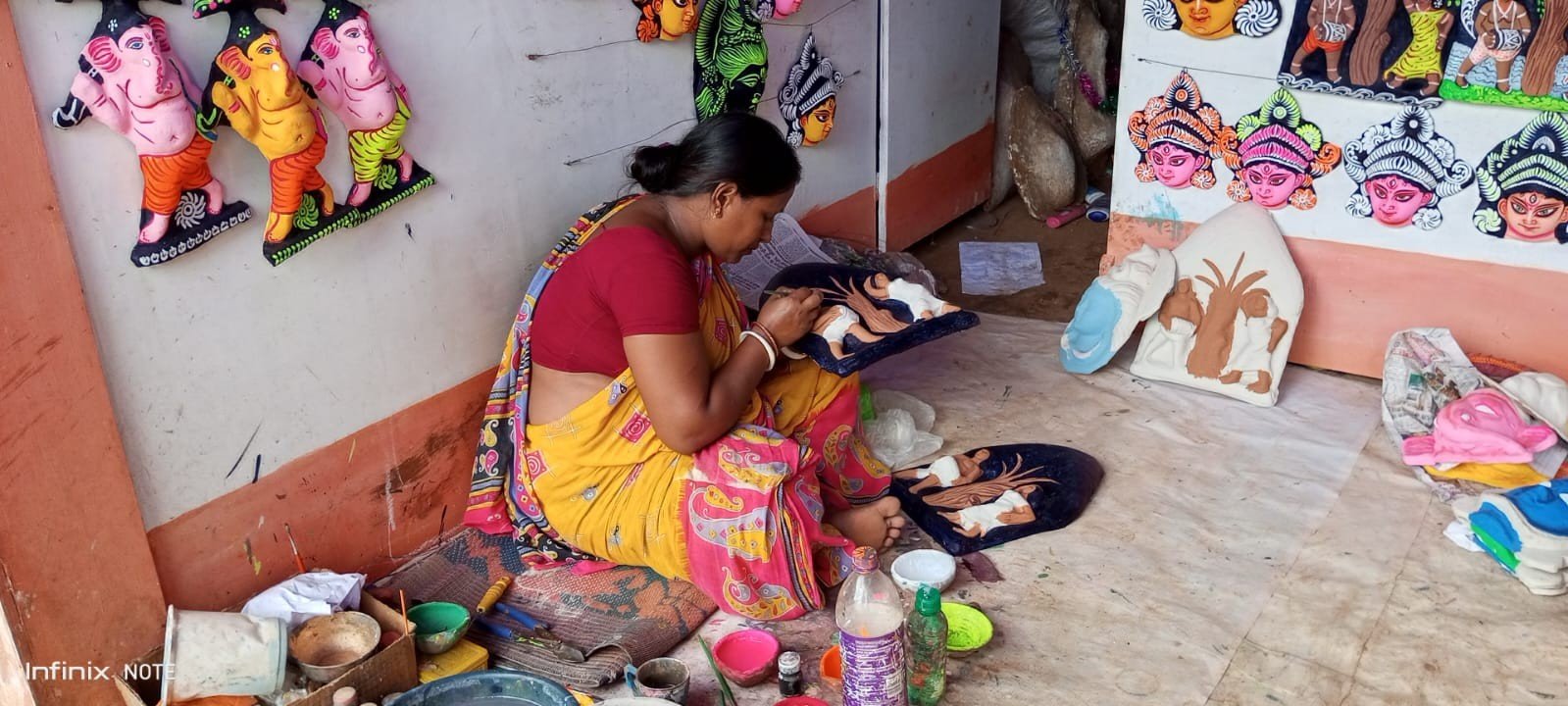
West Bengal women entrepreneurs received major policy support after the Government of West Bengal announced a large-scale welfare initiative focused on rural business development and financial empowerment. The new scheme aims to strengthen self-employment opportunities, improve access to funding, and expand market support systems for women-led enterprises across rural districts of West Bengal. Meanwhile, officials stated that the program could significantly improve income generation and economic participation among women in underserved communities.
Kolkata Silicon Valley Hub Draws Global Technology Expansion
Digha Marine Promenade Resorts Transform Coastal Tourism
Government Launches Large Scale Welfare Initiative
Authorities confirmed that the new welfare scheme includes financial assistance, skill development support, and business training programs for women operating small enterprises in rural areas. Additionally, officials explained that beneficiaries may receive access to subsidized loans, digital marketing guidance, and entrepreneurship mentoring services.
The initiative reportedly targets women involved in handicrafts, agriculture, food processing, tailoring, and cottage industries. Consequently, rural entrepreneurs may gain stronger opportunities to expand local businesses and improve household income stability. Earlier, several women-led enterprises faced difficulties accessing formal credit systems and larger commercial markets.
Officials from the Department of Women and Child Development and Social Welfare stated that the scheme aligns with broader economic inclusion and rural development goals. Furthermore, authorities indicated that implementation phases would gradually expand across multiple districts during the coming months.
Rural Economic Development Remains Priority
Senior representatives from the Government of West Bengal attended the policy announcement event alongside district administrators and women’s self-help group leaders. Meanwhile, officials described the initiative as an important step toward strengthening rural economic resilience.
Authorities explained that women-led businesses often contribute significantly to local economic activity in villages and semi-urban regions. Specifically, small enterprises support household income, local employment, and community-level production systems. In addition, development analysts believe the scheme may encourage greater financial independence among rural women.
Several self-help organizations welcomed the announcement because access to institutional support remains limited in many districts. However, economic experts emphasized the importance of transparent implementation and long-term monitoring to ensure effective outcomes. Despite this, officials assured the public that district-level review systems would supervise the program regularly.
Financial Support And Training Programs Introduced
The West Bengal women entrepreneurs scheme includes proposals involving low-interest financing options and expanded banking access for registered beneficiaries. Additionally, authorities confirmed that financial literacy workshops and digital business training sessions would become part of the initiative.
Officials explained that many rural entrepreneurs lack formal business training despite operating successful small-scale enterprises. As a result, structured mentorship and technical assistance programs may improve long-term business sustainability. Furthermore, authorities introduced plans involving e-commerce training and market linkage support for women-owned enterprises.
Economic planners noted that digital commerce platforms increasingly influence small business growth across India. Therefore, rural entrepreneurs may benefit significantly from online sales opportunities and digital payment systems introduced under the welfare program.
Meanwhile, local banking institutions reportedly began discussions regarding credit facilitation mechanisms connected to the scheme. Authorities also stated that women’s cooperatives and community production groups may receive additional operational support.
Self Help Groups Expected To Benefit
Officials confirmed that women’s self-help groups across rural West Bengal will play a major role in implementing the welfare initiative. Additionally, authorities stated that community-based entrepreneurship models could improve participation rates among economically vulnerable households.
The West Bengal women entrepreneurs program also focuses on strengthening cooperative production networks and local supply chains. Consequently, rural producers may gain better access to urban commercial markets and organized retail systems. Furthermore, officials emphasized the importance of collective business models in improving financial stability among small entrepreneurs.
Development experts stated that self-help groups have become increasingly important for rural economic participation and social empowerment. In addition, social policy researchers noted that women-led cooperatives often improve financial inclusion within underserved communities.
Earlier, state authorities launched multiple welfare initiatives targeting rural livelihoods, financial assistance, and skill development. At the same time, policymakers encouraged stronger participation of women in small-scale enterprise and local governance systems.
Rural Industries And Handicrafts Receive Attention
Authorities indicated that handicrafts, weaving, food processing, and agro-based industries may receive special policy support under the welfare scheme. Additionally, officials highlighted the importance of preserving traditional rural industries while improving commercial viability.
Artisan groups in districts across West Bengal reportedly expressed optimism regarding future business opportunities linked to the initiative. As a result, local producers may gradually increase production capacity and market outreach activities. Furthermore, authorities stated that exhibition programs and trade fairs may support product promotion efforts.
Several economic analysts observed rising consumer demand for locally produced and handcrafted goods across domestic markets. Therefore, rural entrepreneurs could benefit from branding and market expansion strategies linked to the scheme.
Meanwhile, agricultural experts also highlighted opportunities involving food processing enterprises operated by women’s groups in rural regions. However, policy researchers stressed the need for continuous infrastructure support involving storage, transportation, and packaging systems.
Social And Economic Impact Under Observation
The West Bengal women entrepreneurs initiative may influence broader rural development trends and employment patterns across the state. Additionally, authorities expect stronger women-led business participation to contribute to long-term economic growth in underserved districts.
Educational institutions and social organizations welcomed the welfare scheme because entrepreneurship support may improve financial independence and skill development opportunities for women. Consequently, younger women in rural communities may show increased interest in business ownership and cooperative enterprise models. Furthermore, policymakers believe financial inclusion programs may strengthen social mobility across economically vulnerable households.
Officials also stated that regular impact assessments and district-level reporting mechanisms would monitor implementation progress. In addition, development agencies may collaborate with local administrations to evaluate business growth and beneficiary participation levels.
Meanwhile, community organizations requested continued policy support beyond the initial implementation phase. Authorities responded by indicating that future expansion plans may depend on operational performance and funding availability.
Future Expansion Plans Remain Active
Government officials confirmed that additional rural entrepreneurship programs remain under consideration across West Bengal. Specifically, authorities continue reviewing proposals involving market infrastructure, cooperative financing systems, and digital commerce support for women-led enterprises.
Experts believe rural entrepreneurship development will remain central to future social welfare and economic inclusion strategies. Moreover, stronger financial participation among women may influence long-term rural economic stability and community development patterns.
The West Bengal women entrepreneurs welfare initiative represents a major policy development for rural economic empowerment in the state. Ultimately, officials expect the scheme to improve financial access, strengthen small businesses, and expand economic opportunities for women across rural West Bengal.
FAQs
What is the new welfare scheme for women entrepreneurs?
The scheme is a rural entrepreneurship support initiative launched by the Government of West Bengal for women-led businesses.
Who may benefit from the program?
Women involved in handicrafts, agriculture, food processing, tailoring, and cottage industries may qualify for assistance.
What support does the scheme provide?
The initiative includes financial aid, subsidized loans, business training, digital marketing support, and entrepreneurship mentoring.
Which department manages the welfare initiative?
The Department of Women and Child Development and Social Welfare oversees implementation activities.
How may self-help groups benefit from the program?
Self-help groups may receive operational support, financial access, and improved market linkage opportunities through cooperative business models.
What does West Bengal women entrepreneurs scheme mean for rural development?
West Bengal women entrepreneurs support programs may strengthen financial inclusion, small business growth, and economic empowerment across rural communities.