


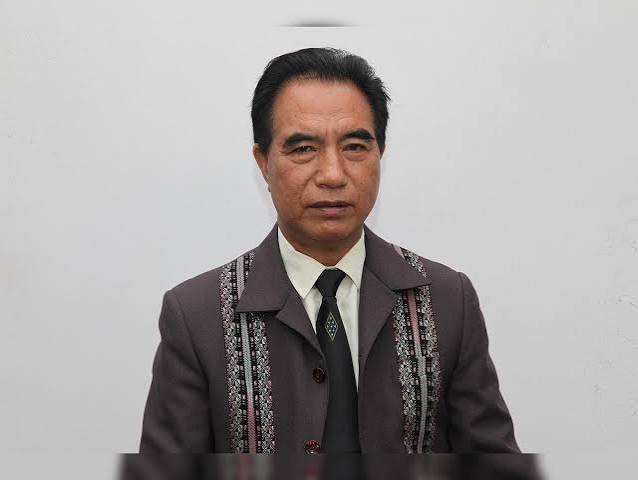
The Zoramthanga vs Lalduhoma political contest continues to shape Mizoram’s evolving political landscape, with the two veteran leaders representing different political traditions and governing approaches. Their rivalry reflects the broader competition between the Mizo National Front (MNF) and the Zoram People’s Movement (ZPM).
Zoramthanga served multiple terms as Mizoram’s Chief Minister and led the MNF for decades. Meanwhile, Lalduhoma emerged as the principal leader of the ZPM and became Chief Minister after the party’s strong performance in the 2023 Mizoram Assembly election.
The contrast between the two leaders extends beyond electoral competition. Moreover, their political careers represent different phases of Mizoram’s development and reflect changing voter expectations across the state.
Mizoram Churches Unite Against Proposed FCRA Amendment Bill 2026
Zoramthanga vs Lalduhoma Defines Mizoram’s Political Shift
The Zoramthanga vs Lalduhoma contest illustrates a major transition in Mizoram politics.
Zoramthanga built his political career through the MNF and remained a dominant figure in state politics for many years. Furthermore, his leadership became closely associated with the party’s identity and its role in Mizoram’s political system.
Lalduhoma, by contrast, built the ZPM around a platform focused on political change and administrative reform.
The rise of the ZPM challenged the traditional dominance of established parties.
Zoramthanga vs Lalduhoma Reflects Two Political Generations
The Zoramthanga vs Lalduhoma rivalry also reflects different political generations.
Both leaders have extensive political experience, but their careers developed through different political circumstances. Additionally, Mizoram’s electorate has changed as younger voters have become increasingly important to electoral outcomes.
The changing political environment has created space for new campaign strategies and political priorities.
However, voters’ choices depend on multiple factors, including governance, local issues, party organisation, and candidate credibility.
Zoramthanga vs Lalduhoma and the MNF-ZPM Contest
The Zoramthanga vs Lalduhoma competition remains closely connected to the rivalry between the MNF and ZPM.
The MNF has a long-established organisational network across Mizoram. Meanwhile, the ZPM gained momentum by presenting itself as an alternative political force.
The 2023 Assembly election demonstrated the strength of that shift, as the ZPM secured a decisive mandate and formed the state government.
However, electoral strength can change over time depending on governance and voter sentiment.
Zoramthanga vs Lalduhoma Brings Governance Under Scrutiny
The Zoramthanga vs Lalduhoma rivalry has also placed governance records under greater public scrutiny.
Lalduhoma’s government faces expectations to deliver on its campaign commitments while managing Mizoram’s financial and administrative challenges. Furthermore, the MNF can use its opposition role to question government decisions and highlight areas where it believes the administration has fallen short.
This creates continuous political pressure on the ruling party.
However, assessments of governance depend on measurable outcomes rather than political claims alone.
Zoramthanga vs Lalduhoma Shapes Opposition Politics
The Zoramthanga vs Lalduhoma contest has changed the structure of opposition politics in Mizoram.
After losing power, the MNF entered a stronger opposition role under Zoramthanga’s leadership. Additionally, the party continues to maintain a significant political presence despite the ZPM’s electoral victory.
The MNF’s future performance will depend partly on how effectively it challenges the government.
However, the current political balance does not guarantee future electoral results.
Zoramthanga vs Lalduhoma and Mizo Identity
The Zoramthanga vs Lalduhoma rivalry also operates within Mizoram’s strong political emphasis on Mizo identity and social interests.
Political parties frequently address issues involving Mizo society, indigenous interests, border concerns, and relations with the Union Government. Moreover, leaders often frame policy debates around the state’s distinctive political and cultural context.
These issues can influence political competition.
However, voters also consider everyday concerns such as employment, infrastructure, healthcare, education, and economic opportunities.
Zoramthanga vs Lalduhoma Faces Economic Challenges
The Zoramthanga vs Lalduhoma contest increasingly involves questions about economic management.
Mizoram faces challenges involving revenue generation, employment, infrastructure, and fiscal pressures. Furthermore, the government must balance development priorities with available financial resources.
The opposition can use economic performance as a key measure when assessing the administration.
However, many economic challenges depend on both state policies and broader central-government support.
Zoramthanga vs Lalduhoma and Youth Politics
The Zoramthanga vs Lalduhoma debate has particular significance for younger voters.
Young people form an important part of Mizoram’s electorate and often prioritise employment, education, technology, entrepreneurship, and opportunities outside traditional government employment. Additionally, political parties must increasingly communicate through digital platforms and modern campaign strategies.
This creates pressure for established political organisations to adapt.
However, youth preferences can vary significantly across constituencies and social groups.
Zoramthanga vs Lalduhoma Could Shape the MNF’s Future
The rivalry raises questions about the future direction of the MNF.
Zoramthanga remains an influential figure within the party, but political organisations must also prepare for leadership transitions and changing electoral expectations. Moreover, the MNF will need to maintain its organisational base while responding to the ZPM’s emergence.
The party’s ability to adapt could influence its future performance.
However, the timing and nature of any leadership transition remain matters for the party itself.
Zoramthanga vs Lalduhoma and the ZPM’s Challenge
The contest also tests the durability of the ZPM’s political model.
Lalduhoma’s government must demonstrate that the party can translate its electoral mandate into effective administration. Furthermore, sustained performance could strengthen the ZPM’s position in future elections.
The party’s ability to maintain public confidence will therefore remain important.
However, one electoral victory does not determine long-term political dominance.
Zoramthanga vs Lalduhoma and Future Elections
The rivalry could remain significant as Mizoram approaches future electoral contests.
The MNF can seek to rebuild its support base, while the ZPM will aim to defend its governing record. Additionally, other political forces could influence contests in individual constituencies.
Future elections will ultimately depend on voter preferences at the time.
Therefore, predictions about a guaranteed political outcome would be premature.
Zoramthanga vs Lalduhoma Defines a New Political Era
The rivalry represents more than a personal political contest.
It reflects the transformation of Mizoram’s party system, the rise of the ZPM, and the MNF’s adjustment to opposition politics. Moreover, it demonstrates how established political leaders can face new challenges as voter expectations evolve.
The competition will likely remain part of Mizoram’s political conversation.
However, its long-term significance will depend on governance performance, party organisation, and future voter decisions.
Conclusion
The contest reflects Mizoram’s changing political landscape, with the MNF and ZPM representing competing political approaches. Zoramthanga’s long tenure established him as one of the state’s most prominent political figures, while Lalduhoma’s rise marked a major challenge to the established political order.
Moreover, the rivalry now extends beyond individual personalities to questions of governance, economic management, youth expectations, Mizo interests, and the future direction of both parties. However, neither leader’s political legacy can be determined solely by past electoral results.
Overall, the rivalry remains an important feature of Mizoram politics. Future governance outcomes, organisational changes, and voter priorities will determine how the political legacies of both leaders develop.
FAQs
1. Who are Zoramthanga and Lalduhoma?
Zoramthanga is a senior MNF leader and former Mizoram Chief Minister, while Lalduhoma leads the ZPM and serves as Mizoram’s Chief Minister.
2. Why is the Zoramthanga vs Lalduhoma rivalry significant?
The rivalry represents the competition between the established MNF and the newer ZPM, reflecting a major shift in Mizoram’s political landscape.
3. When did Lalduhoma become Chief Minister?
Lalduhoma became Chief Minister after the ZPM won the 2023 Mizoram Assembly election.
4. Does the rivalry involve only the two leaders?
No. The broader competition involves the MNF, ZPM, their organisations, policies, supporters, and future electoral strategies.
5. Who will dominate Mizoram politics in the future?
Future political dominance cannot be determined in advance. Voter preferences, governance performance, party organisation, and emerging political issues will influence future elections.