


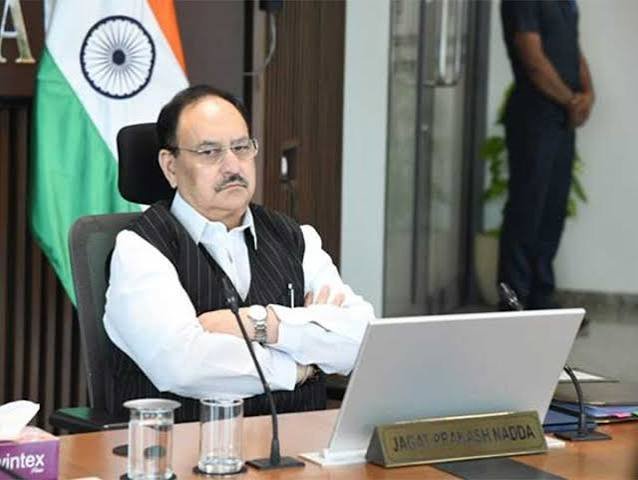
The Assam flood crisis has drawn increased attention from the Centre after the reported number of casualties reached 95. The Union Health Minister has reviewed the flood-relief situation, focusing attention on medical preparedness, healthcare access, emergency coordination, and support for affected communities.
The review comes as flooding continues to disrupt several parts of Assam. Moreover, displaced families require access to medicines, healthcare facilities, clean drinking water, sanitation, and temporary shelter while authorities manage the emergency.
The Centre’s involvement highlights the importance of coordinated health and disaster-response measures during a large-scale flood. However, the effectiveness of the response will depend on how quickly authorities address shortages, reach isolated communities, and support vulnerable residents.
Union Health Minister Reviews Flood Response
The reported casualty figure of 95 has increased the urgency surrounding Assam’s flood-relief operations.
The Union Health Minister’s review places particular attention on the health dimension of the disaster. Furthermore, officials need to assess medical supplies, emergency treatment capacity, disease surveillance, and healthcare access in flood-affected districts.
Such coordination can help identify areas requiring additional support.
However, local health authorities remain essential because they understand conditions in individual communities and relief camps.
95 Casualties Highlight Scale of Crisis
The reported 95 casualties underline the severity of the flooding.
Flood emergencies can disrupt healthcare access while increasing the need for emergency treatment. Additionally, damaged roads and flooded transport routes can make it difficult for patients and medical teams to reach hospitals.
The casualty figure has therefore increased pressure on authorities to strengthen emergency preparedness.
However, officials may revise casualty figures as they continue verification and assessment.
Healthcare Becomes Central to Relief
Flood relief extends beyond food and shelter.
Affected residents may need medicines, emergency treatment, maternal healthcare, chronic-disease care, and access to hospitals. Moreover, health teams must monitor conditions in crowded relief camps.
The health response therefore requires coordination between district, state, and central agencies.
However, healthcare requirements can vary significantly depending on the extent of flooding in each area.
Relief Camps Need Medical Support
Relief camps can become temporary healthcare points for displaced residents.
Authorities need to ensure access to essential medicines, medical personnel, clean water, sanitation, and basic treatment. Furthermore, officials must identify vulnerable residents who may require specialised care.
Regular health monitoring can help detect emerging problems early.
However, overcrowding and limited access can make medical management difficult during prolonged displacement.
Water and Sanitation Remain Priorities
Flooding can contaminate drinking-water sources and disrupt sanitation systems.
Authorities must provide safe water and adequate sanitation facilities to affected communities. Additionally, hygiene supplies and waste-management measures can reduce public-health risks.
These services become especially important when residents remain in temporary shelters.
However, maintaining supplies can become challenging when roads remain flooded.
Disease Prevention Gains Attention
Flood conditions can increase public-health risks.
Standing water, contaminated supplies, and overcrowded shelters can create conditions that require careful monitoring. Moreover, health authorities may need to strengthen surveillance and provide timely medical assistance when residents report symptoms.
Preventive measures can reduce pressure on already stretched health facilities.
However, authorities need verified health data before identifying specific disease trends.
Sivasagar and Other Districts Need Support
Sivasagar has received attention during the broader flood response as communities face displacement and disruption.
Health teams may need to support relief camps and affected villages while ensuring access to essential medicines. Furthermore, other severely affected districts can require similar assistance depending on local conditions.
The central review can help identify gaps across different areas.
However, each district requires a response based on its specific population and flood situation.
Damaged Infrastructure Complicates Healthcare
Flooding can damage roads, bridges, and other infrastructure needed to maintain medical access.
Emergency vehicles may struggle to reach isolated communities, while patients may face difficulties travelling to hospitals. Additionally, power and communication disruptions can complicate medical operations.
Authorities therefore need contingency arrangements.
However, alternative transport and mobile medical services can help reach communities cut off by floodwaters.
Government Agencies Coordinate Response
Flood relief requires cooperation between multiple agencies.
District administrations, state health departments, disaster-management authorities, hospitals, and emergency teams need to coordinate their activities. Moreover, central support can provide additional resources when local systems face heavy pressure.
Effective coordination can reduce duplication and improve resource distribution.
However, clear communication remains essential during rapidly changing conditions.
Families Need Continued Healthcare
Displaced residents can require healthcare even after evacuation.
People managing chronic conditions may need regular medicines, while children and older residents may require additional attention. Furthermore, injuries and other medical problems can continue during prolonged displacement.
Authorities therefore need to maintain healthcare services throughout the relief period.
However, individual medical needs differ across communities.
Agricultural Losses Add Economic Stress
Flooding can damage crops and livestock, increasing financial pressure on affected families.
Economic hardship can affect access to healthcare, nutrition, and essential medicines. Moreover, farmers may need assistance to restore livelihoods after floodwaters recede.
Health and economic recovery therefore remain closely connected.
However, agricultural losses require separate official assessments and relief measures.
Political Scrutiny Continues
The review comes amid broader political debate over Assam’s flood response.
Opposition parties may question disaster preparedness, relief distribution, infrastructure maintenance, and government accountability. Additionally, the reported casualty figure has increased public interest in the effectiveness of emergency measures.
The health review could therefore become part of the wider political discussion.
However, political criticism does not independently establish administrative failure.
Central Support Could Strengthen Relief
Central involvement can provide additional resources during a large disaster.
National agencies may assist with medical supplies, technical expertise, emergency personnel, and logistical coordination. Furthermore, central and state authorities can share information to identify areas requiring urgent assistance.
Such coordination can strengthen the overall response.
However, local administrations remain critical to implementing relief measures on the ground.
Long-Term Health Preparedness Matters
The current crisis could encourage authorities to review Assam’s disaster-health preparedness.
Future planning may include mobile medical teams, emergency medicine stockpiles, stronger disease surveillance, resilient healthcare facilities, and improved communication systems. Moreover, flood-prone districts may need contingency plans that allow hospitals to continue operating during severe flooding.
These measures can strengthen future emergency responses.
However, long-term preparedness requires sustained investment and regular testing.
Recovery Will Extend Beyond Relief
Once floodwaters recede, affected communities will still need healthcare and rehabilitation.
Authorities may need to repair damaged health centres, restore water systems, and support families rebuilding their lives. Additionally, medical teams may need to continue monitoring displaced communities during the recovery period.
The health response therefore cannot end when evacuation stops.
However, recovery priorities will depend on the level of damage in individual districts.
Conclusion
The reported 95 casualties in Assam’s flood crisis have increased attention on the state’s emergency healthcare and relief systems. The Union Health Minister’s review underscores the importance of medical preparedness, healthcare access, safe drinking water, sanitation, and coordination during a major disaster.
Moreover, the response must address both immediate medical needs and longer-term recovery. At the same time, central support can strengthen state and district efforts, but effective implementation ultimately depends on coordination at the local level.
Overall, Assam’s flood crisis demonstrates the close connection between disaster management and public health. Timely medical assistance, disease prevention, reliable supplies, and resilient healthcare infrastructure will remain essential as affected communities move from emergency relief toward recovery.
FAQs
1. Why did the Union Health Minister review Assam’s flood relief management?
The review focuses attention on healthcare preparedness, medical supplies, emergency coordination, and support for communities affected by the floods.
2. What is the reported casualty figure?
The figure referenced in this report has reached 95, although authorities may revise casualty numbers after further verification.
3. Why are healthcare services important during floods?
Flooding can disrupt access to hospitals while increasing demand for emergency treatment, medicines, clean water, sanitation, and disease prevention.
4. What challenges do relief camps face?
Camps can face pressure involving medical supplies, sanitation, drinking water, overcrowding, and access to specialised healthcare.
5. What happens after the immediate relief phase?
Authorities will need to continue healthcare support, repair damaged facilities, restore essential services, and assist affected communities during long-term recovery.