


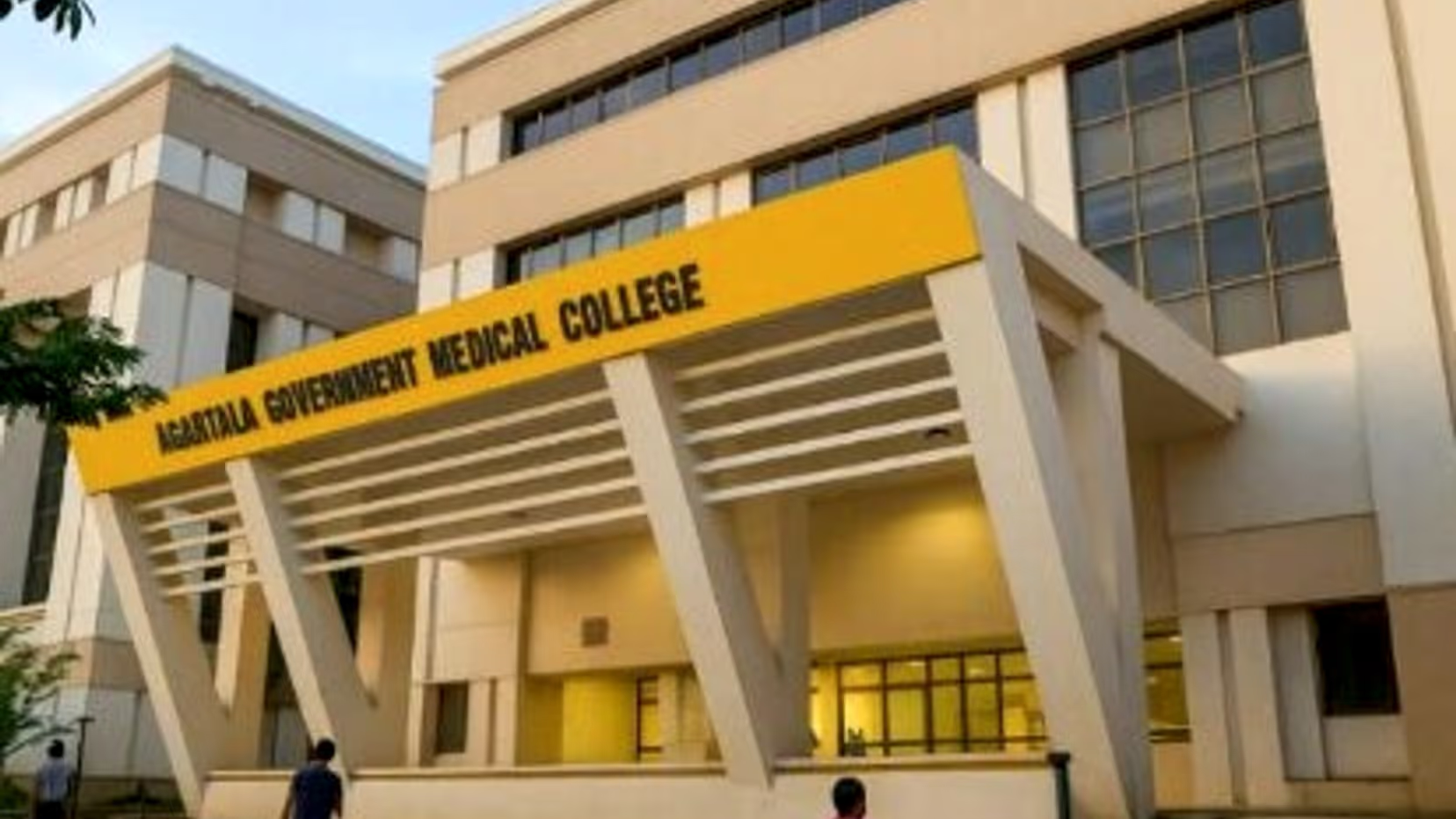
Agartala Government Medical College (AGMC) has increased its postgraduate medical seat capacity from 95 to 153 for the 2026–27 academic year. The expansion adds 58 MD and MS seats across 16 specialised medical disciplines. Tripura Chief Minister Dr. Manik Saha announced the development on November 6, describing it as an important step towards strengthening medical education and healthcare infrastructure. The additional seats will create more opportunities for medical graduates seeking specialist training. Moreover, the expansion could help Tripura develop a larger pool of qualified doctors for its hospitals and healthcare institutions.
TTAADC Postpones Executive Members’ Oath Ceremony
National Medical Commission Approves 58 Additional Seats
The National Medical Commission (NMC) approved the expansion of postgraduate seats at AGMC through its official notification dated November 6, 2026.
The college’s total MD/MS intake has consequently increased from 95 to 153. This represents an increase of approximately 61 per cent in its postgraduate capacity.
The additional seats cover 16 specialised disciplines. They will provide more opportunities for medical graduates interested in advanced clinical and non-clinical training.
The approval marks an important development for Tripura’s medical education sector. It also expands the state’s capacity to train doctors in different areas of medicine.
According to the published discipline-wise details, the expanded intake includes several departments receiving additional seats. The changes also introduce postgraduate training opportunities in selected specialities that previously had no seats.
Chief Minister Manik Saha Announces Expansion
Chief Minister Dr. Manik Saha shared the announcement on November 6. He said the postgraduate seat capacity at Agartala Government Medical College had increased from 95 to 153.
He highlighted the addition of 58 seats across 16 specialised disciplines for the 2026–27 academic year.
The Chief Minister said the expansion would create greater opportunities for Tripura’s youth. It would also strengthen the state’s medical education system and healthcare ecosystem.
Saha also expressed gratitude to Prime Minister Narendra Modi and Union Health Minister J. P. Nadda. He acknowledged their support for strengthening medical education and healthcare infrastructure.
The Chief Minister emphasised the importance of building a stronger medical education system to support better healthcare in the future.
Several Medical Specialities Receive More Seats
The expansion covers multiple postgraduate departments at AGMC. Several specialities have received increased intake capacity under the latest approval.
Obstetrics and Gynaecology has increased from eight to 12 seats. Community Medicine has risen from six to 10 seats.
Paediatrics has doubled its intake from five to 10 seats. Anaesthesiology has also expanded from four to nine seats.
Ophthalmology has increased from three to eight seats. Anatomy and Physiology have each risen from three to eight seats.
Pathology has increased from four to eight seats. Meanwhile, Biochemistry has expanded from four to seven seats.
Forensic Medicine has also increased from three to seven seats. Microbiology now has six seats, compared with three previously.
The approved expansion also includes additional seats in ENT and Respiratory Medicine. Dermatology has received four postgraduate seats, while Physical Medicine and Rehabilitation has introduced three seats.
These changes will broaden the range of postgraduate training opportunities available at the college.
More Opportunities for Medical Graduates
The increase will benefit medical graduates seeking MD and MS courses. More seats can create additional opportunities for eligible candidates during postgraduate admissions.
Students from Tripura may gain greater access to specialist training within their home state. They may also find more options across different medical disciplines.
Previously, limited postgraduate capacity could make competition particularly intense. Some graduates also seek admission to institutions outside the state.
The expanded intake could provide more choices for candidates. However, admission will continue to depend on eligibility requirements, entrance examinations and the applicable counselling process.
The increased capacity also gives the college an opportunity to strengthen its academic programmes. Departments will need suitable faculty, clinical facilities and training resources to support the additional students.
Expansion Could Strengthen Tripura’s Specialist Workforce
Postgraduate medical education plays an important role in developing specialist doctors. MD and MS programmes prepare medical graduates for advanced clinical practice and specialised responsibilities.
A larger postgraduate intake can support the development of a stronger medical workforce. It can also help hospitals access doctors trained in different medical disciplines over time.
Tripura’s public healthcare system serves people across urban, rural and remote areas. Specialist availability remains important for managing complex medical conditions and improving referral services.
The additional seats could contribute to this requirement as graduates complete their training. However, the eventual impact will depend on recruitment, retention and deployment of qualified specialists.
The state will also need to strengthen clinical training facilities. Medical colleges require sufficient patient exposure, faculty members and modern equipment to maintain training standards.
AGMC Also Receives an MBBS Seat Increase
The postgraduate expansion follows another major increase in undergraduate medical education capacity at AGMC.
The National Medical Commission had earlier increased the college’s MBBS intake from 150 to 250 seats for the 2026–27 academic year.
This added 100 undergraduate seats to the institution’s existing capacity.
Together, the undergraduate and postgraduate expansions will increase the number of medical students the college can accommodate.
The developments reflect a wider expansion of medical education infrastructure in Tripura. They also create additional responsibilities for the institution in terms of faculty recruitment, academic planning and hospital facilities.
Maintaining educational quality will remain important as the college expands its intake.
Medical Education Growth Supports Healthcare Planning
The increase in postgraduate seats represents one part of Tripura’s broader healthcare development needs.
Medical education and healthcare delivery remain closely connected. Colleges train future doctors, while teaching hospitals provide clinical experience and specialist services.
An expanded postgraduate programme could strengthen this relationship. It may also encourage more medical graduates to pursue specialised careers within the state.
However, additional seats alone cannot resolve every healthcare challenge. Hospitals also require adequate staffing, equipment, medicines and infrastructure.
The government and medical authorities will need to ensure that the expanded programmes receive the necessary academic and clinical support.
Furthermore, effective workforce planning can help connect specialist training with the healthcare requirements of different districts.
Conclusion
Agartala Government Medical College has increased its postgraduate MD/MS capacity from 95 to 153 seats for the 2026–27 academic year. The National Medical Commission approved 58 additional seats across 16 specialised disciplines.
Chief Minister Dr. Manik Saha announced the expansion on November 6, highlighting its importance for medical education and healthcare development.
The increase will create more postgraduate training opportunities for aspiring doctors. It could also support the development of Tripura’s specialist medical workforce.
The next priority will be ensuring adequate faculty, clinical facilities and training standards to support the expanded intake.
FAQs
1. How many postgraduate seats does AGMC now have?
Agartala Government Medical College now has 153 postgraduate MD/MS seats, compared with 95 previously.
2. How many new postgraduate seats have been added?
The expansion adds 58 seats across 16 specialised medical disciplines.
3. Which academic year will the new seats cover?
The increased postgraduate intake applies to the 2026–27 academic year.
4. Who announced the expansion?
Tripura Chief Minister Dr. Manik Saha announced the increase on November 6, 2026.
5. Which authority approved the additional seats?
The National Medical Commission approved the postgraduate seat expansion.
6. How could the expansion benefit Tripura’s healthcare system?
It could create more specialist training opportunities and support the development of a larger pool of qualified doctors for healthcare institutions.