


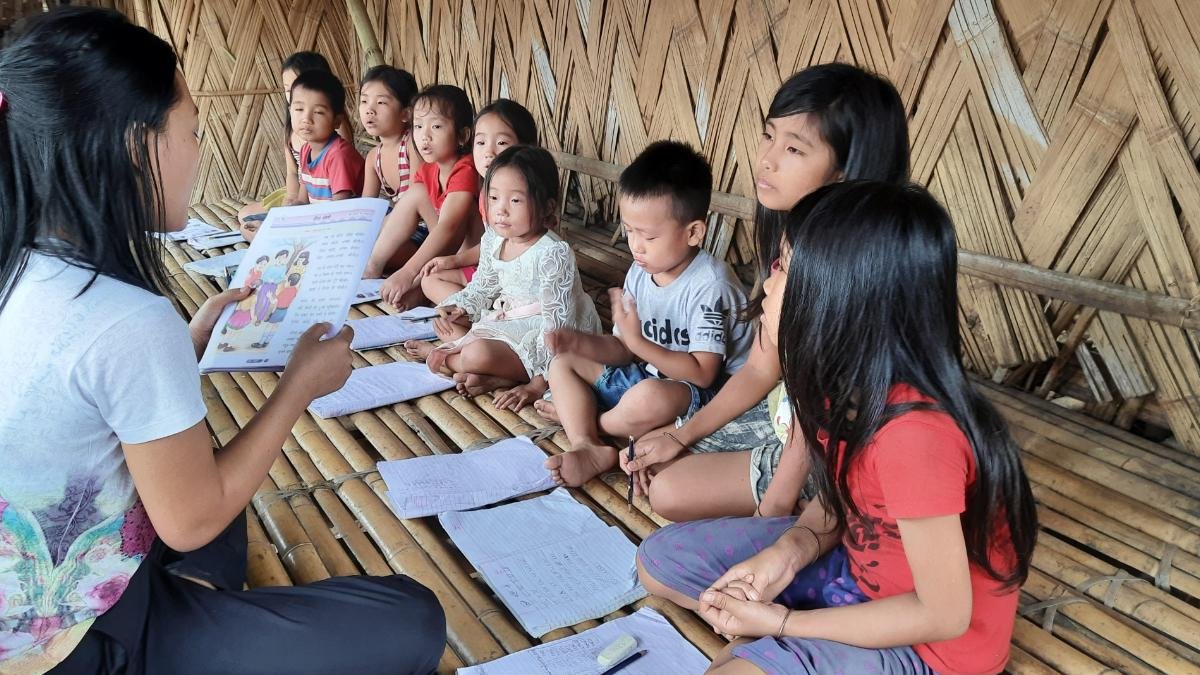
Arunachal State University has introduced integrated courses focusing on tribal history and language structures, aiming to preserve indigenous heritage and promote academic research on the region’s diverse cultural traditions. The initiative seeks to provide students with a deeper understanding of tribal societies, linguistic evolution, and historical developments unique to Arunachal Pradesh. Moreover, officials stated that the new academic programs are designed to strengthen cultural awareness while encouraging interdisciplinary studies. The move highlights the growing importance of safeguarding indigenous knowledge through higher education.
Assam State Electricity Board Transitions to Pre-Paid Smart Meters Across Municipal Towns
Security Forces Rescue 115 Human Trafficking Victims From Assam; 9 Traffickers Arrested in Bihar
New Academic Programs Focus on Indigenous Heritage
Arunachal state university introduces integrated courses on tribal history and language structures to enhance awareness regarding the state’s rich cultural diversity. Consequently, students are expected to gain valuable insights into the traditions and historical experiences of various tribal communities.
The curriculum includes subjects related to oral histories, linguistic patterns, cultural practices, and the evolution of tribal societies. Moreover, scholars and researchers have contributed to the development of the programs to ensure academic relevance. Therefore, the courses are expected to provide a comprehensive understanding of indigenous heritage.
Officials emphasized that preserving traditional knowledge is essential for maintaining cultural identity. Furthermore, academic institutions have an important role in documenting and promoting local histories. As a result, research opportunities in these fields are likely to expand.
Meanwhile, experts from different disciplines are being invited to participate in lectures and seminars. Consequently, students will benefit from diverse perspectives.
Promoting Research on Tribal Languages and Culture
Arunachal state university introduces integrated courses on tribal history and language structures with the objective of encouraging scholarly research. Moreover, many indigenous languages possess unique linguistic features and cultural significance. Therefore, systematic study and documentation have become increasingly important.
The new programs are expected to support research on endangered languages and oral traditions. Consequently, valuable cultural knowledge may be preserved for future generations. Such efforts contribute to the protection of intangible heritage.
Furthermore, students will have opportunities to engage in field studies and community interactions. As a result, practical learning and academic exploration are likely to be strengthened.
Meanwhile, collaborations with cultural organizations and research institutions are being explored. Similarly, archival and documentation initiatives are receiving attention.
Strengthening Interdisciplinary Education
The Arunachal state university introduces integrated courses on tribal history and language structures as part of broader efforts to promote interdisciplinary learning. Moreover, combining history, anthropology, and linguistics offers students a holistic understanding of society. Therefore, academic innovation has become a priority.
Officials highlighted that interdisciplinary programs can broaden perspectives and encourage critical thinking. Consequently, students may develop stronger analytical and research skills. Such approaches contribute to higher educational standards.
Furthermore, the courses are expected to create opportunities for specialized studies and future academic careers. As a result, interest in indigenous studies may increase.
Meanwhile, faculty development programs are being strengthened. Similarly, additional resources are being made available to support teaching and research.
Preserving Cultural Identity Through Higher Education
The initiative reflects Arunachal Pradesh’s commitment to preserving its unique cultural and linguistic heritage. Moreover, higher education institutions serve as important centers for knowledge preservation and dissemination. Therefore, investments in culturally relevant education are becoming increasingly significant.
Officials stated that promoting indigenous studies can strengthen community pride and awareness. Consequently, younger generations may become more connected to their traditions and heritage. Such efforts support cultural continuity and social cohesion.
Furthermore, future academic collaborations and research projects are being considered. As a result, opportunities for expanding indigenous studies are expected to grow.
Meanwhile, digital archives and documentation systems are being explored. Similarly, cultural outreach programs are being planned.
Conclusion
Arunachal state university introduces integrated courses on tribal history and language structures, marking a significant step toward preserving indigenous heritage and promoting academic research. Moreover, the initiative is expected to strengthen cultural awareness and encourage interdisciplinary learning.
The new programs highlight the importance of education in safeguarding traditions and documenting linguistic diversity. Therefore, they represent a valuable contribution to the preservation of Arunachal Pradesh’s rich cultural legacy.
As Arunachal state university introduces integrated courses on tribal history and language structures, the move underscores the role of higher education in protecting and celebrating indigenous identities.
FAQs
1. What new courses has Arunachal State University introduced?
Integrated courses on tribal history and language structures.
2. What is the objective of the programs?
To preserve indigenous heritage and promote academic research.
3. Which subjects are included in the curriculum?
History, linguistics, oral traditions, and cultural studies.
4. How will students benefit from the courses?
They will gain deeper knowledge and research opportunities.
5. Why are these courses important?
They help protect tribal cultures and linguistic diversity.