


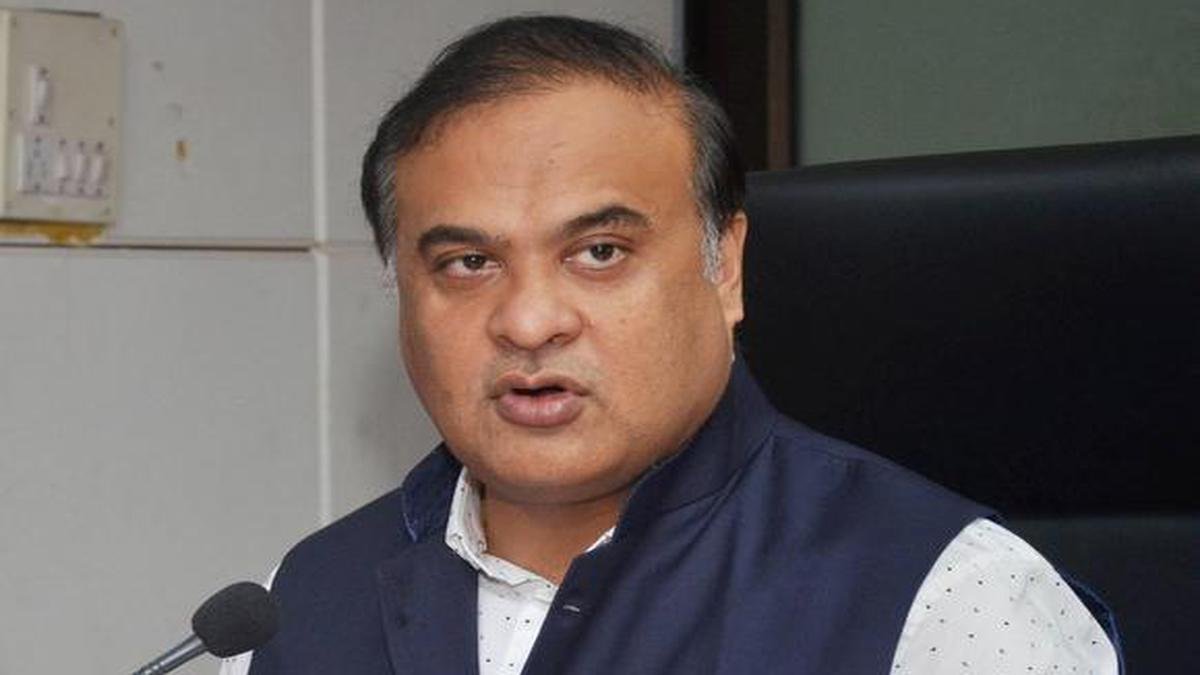
Assam Chief Minister Himanta Biswa Sarma has launched the MMUA seed fund programme at Donkamokam, West Karbi Anglong. The scheme, part of the Mukhyamantri Mahila Udyamita Abhiyan (MMUA), aims to help women start or expand rural businesses.
At the Waisong Stadium event, 19,000 women received cheques of ₹10,000 each. The initiative is expected to spark new livelihoods in villages across Assam.
MMUA Seed Fund Donkamokam: A Push for Women Entrepreneurs
Addressing beneficiaries at Donkamokam’s Waisong Stadium, CM Sarma urged women to invest the seed fund in productive activities. He cautioned against using the money for festival shopping or non-essentials. Instead, he highlighted opportunities like goat farming, piggery, food processing, weaving, or tailoring.
The programme is structured in stages. After the initial ₹10,000, women who make wise investments can qualify for ₹25,000 in the second year and ₹50,000 in the third year. This step-up model encourages accountability and helps micro-enterprises grow sustainably.
Officials of the Karbi Anglong Autonomous Council and ministers including Nandita Gorlosa attended the launch, underscoring the state’s commitment to uplifting women in rural areas.
A Statewide Rural Entrepreneurship Drive
The Donkamokam event is part of a larger movement. The MMUA scheme aims to reach 35 lakh women across Assam, channeling entrepreneurship funds into Self Help Groups (SHGs).
Recent launches in Patharkandi and Karimganj districts already distributed similar seed funds. In Karimganj alone, over 15,000 women received support earlier this month.
The government also allocated funds in the 2025-26 budget to cover 32 lakh SHG members, proving that MMUA is not a symbolic scheme but a core part of Assam’s development agenda.
Healthcare and Development Together
The event was not only about entrepreneurship. CM Sarma also inaugurated a 100-bed hospital at Hamren. The facility will provide essential health services to remote areas in West Karbi Anglong.
Departments such as surgery, obstetrics, paediatrics, and diagnostics will strengthen the region’s medical capacity. This dual focus—healthcare and enterprise—signals a holistic development push.
Challenges for the MMUA Seed Fund Donkamokam Scheme
The programme is promising, but its success depends on execution.
- Monitoring use of funds: Authorities will need to track how women invest the initial ₹10,000.
- Training support: Many entrepreneurs may need guidance in marketing, record-keeping, and financial literacy.
- Market access: Without strong links to markets and supply chains, micro-businesses may struggle.
Still, if the state can address these gaps, the MMUA initiative could transform rural livelihoods and create thousands of “lakhpati didis” across Assam.
Why the MMUA Seed Fund Matters
The MMUA seed fund Donkamokam launch is more than a cheque distribution drive. It is a tool for:
- Gender empowerment: Women gain independence and recognition in their families.
- Income diversification: Families earn from multiple sources, reducing pressure on farming alone.
- Inclusive growth: Villages grow stronger as women bring new income streams.
- Build resilience: Families with multiple income sources can better handle crises.
The government has budgeted funds for 32 lakh SHG members in 2025-26, proving its commitment to women-led growth.
Voices from Donkamokam
Many women at the launch expressed optimism. Beneficiaries said the funds would help them expand weaving units, start livestock projects, or set up food stalls. Local leaders welcomed the programme, noting that it will reduce migration and create work within villages.
Officials from the Karbi Anglong Autonomous Council added that the scheme aligns with ongoing livelihood missions and will complement existing SHG initiatives.
Turning Policy Into Impact
For the MMUA scheme to succeed, all stakeholders must act:
- Women beneficiaries should plan businesses wisely and seek local training.
- NGOs and cooperatives must help with mentorship and market connections.
- Officials and civil society should ensure transparency and accountability.
- Government agencies must sustain momentum with monitoring, guidance, and timely disbursal of second and third-year funds.
With the right collaboration, Assam can make MMUA a model for rural empowerment across India.
READ MORE: BSNL Data Centre Guwahati Boosts Digital Infrastructure