


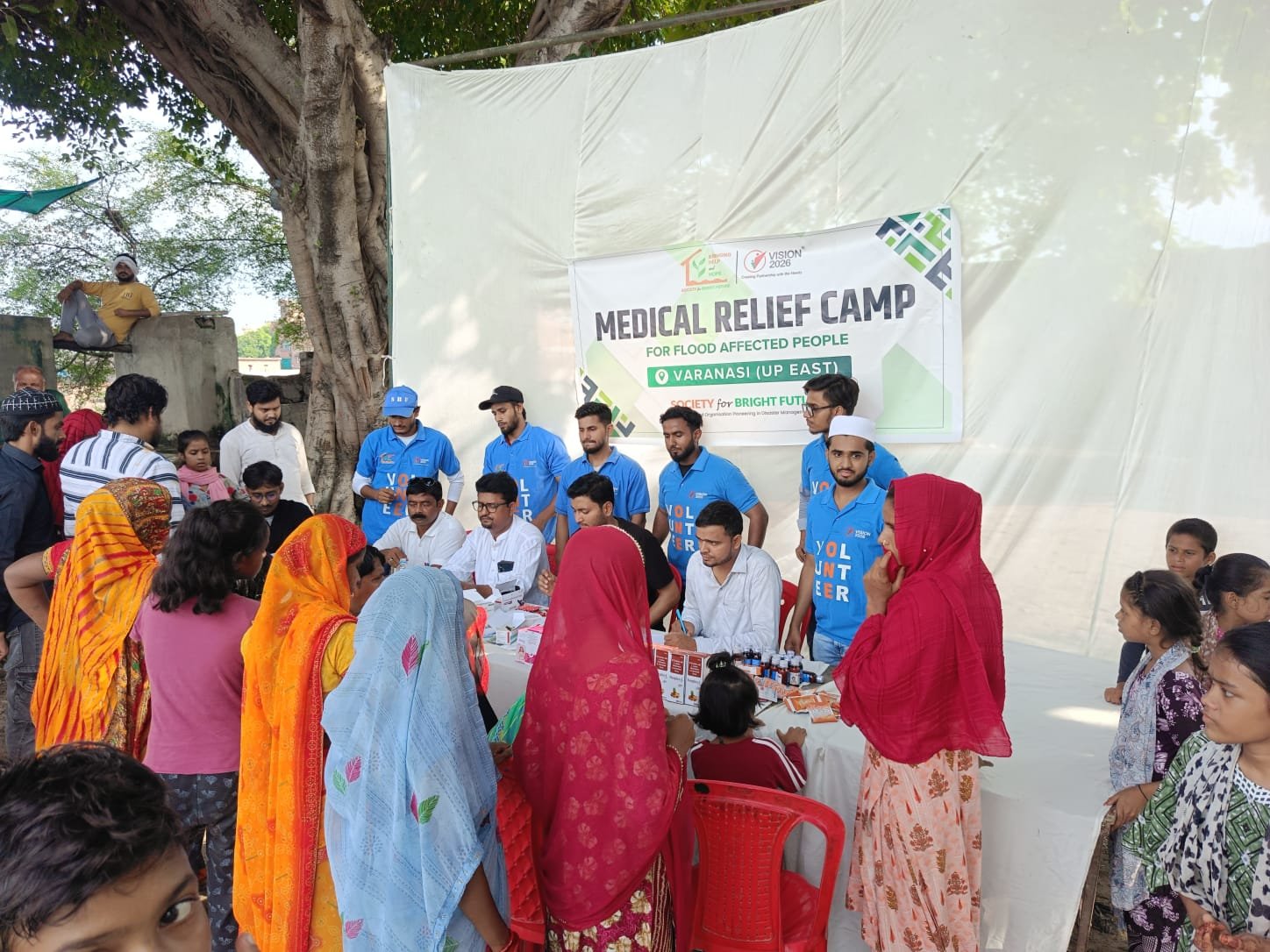
Assam’s flood relief camps have been equipped with dedicated medical teams and clean drinking water purification kits as part of strengthened humanitarian response measures. The initiative aims to improve health services and ensure safe living conditions for displaced families in flood-affected regions. Moreover, officials stated that the deployment is intended to reduce the risk of waterborne diseases during the ongoing flood situation. The move reflects coordinated efforts by authorities to enhance disaster management and public health support.
Manipur Police Destroy Large Haul of Seized Narcotics Under the Ongoing ‘War on Drugs’
Medical Teams Deployed to Strengthen Healthcare in Camps
Assam flood relief camps get dedicated doctors and clean drinking water purification kits to ensure timely medical assistance for affected populations. Consequently, healthcare services in temporary shelters have been significantly strengthened.
Medical teams stationed at the camps are providing treatment for common flood-related illnesses, including fever, skin infections, and gastrointestinal issues. Moreover, regular health check-ups are being conducted to monitor vulnerable groups such as children and the elderly. Therefore, the presence of doctors is expected to improve overall health outcomes.
Officials emphasized that early medical intervention is critical in preventing disease outbreaks in densely populated relief shelters. Furthermore, continuous monitoring helps identify health risks at an early stage. As a result, the healthcare response is becoming more proactive.
Meanwhile, coordination between health departments and disaster response teams has been intensified. Consequently, medical supply chains are being maintained without disruption.
Safe Drinking Water Measures Strengthen Public Health Response
Assam flood relief camps get dedicated doctors and clean drinking water purification kits as part of efforts to ensure access to safe drinking water. Moreover, contaminated water is one of the primary causes of illness during floods. Therefore, water safety has become a top priority.
The purification kits are being distributed across multiple camps to provide immediate water treatment solutions. Consequently, residents are able to access safer drinking water. Such measures help reduce the risk of waterborne diseases such as cholera and diarrhea.
Furthermore, awareness programs are being conducted on hygiene practices and safe water usage. As a result, public health conditions in camps are expected to improve.
Meanwhile, authorities are regularly testing water quality in affected areas. Similarly, additional sanitation facilities are being deployed where needed.
Strengthening Disaster Response and Camp Management
Assam flood relief camps get dedicated doctors and clean drinking water purification kits as part of broader disaster management efforts. Moreover, effective camp management is essential for ensuring safety and dignity for displaced communities. Therefore, coordinated response mechanisms are being strengthened.
Officials stated that the integration of healthcare and sanitation services improves overall resilience during emergencies. Consequently, relief operations are becoming more efficient. Such measures contribute to better disaster preparedness.
Furthermore, inter-departmental coordination between health, water resources, and disaster management agencies is being reinforced. As a result, response times and service delivery are improving.
Meanwhile, monitoring teams are assessing camp conditions regularly. Similarly, contingency plans are being updated based on field feedback.
Focus on Preventing Waterborne Diseases and Health Risks
The initiative reflects Assam’s focus on preventing disease outbreaks during flood situations. Moreover, stagnant water and poor sanitation often increase health risks. Therefore, preventive healthcare measures are essential.
Officials highlighted that combining medical support with clean water access significantly reduces public health threats. Consequently, early intervention strategies are being prioritized. Such efforts help protect vulnerable populations.
Furthermore, community awareness campaigns are being conducted to promote hygiene practices. As a result, residents are better informed about disease prevention.
Meanwhile, emergency health infrastructure is being strengthened for rapid response. Similarly, mobile medical units may be deployed if required.
Conclusion
Assam flood relief camps get dedicated doctors and clean drinking water purification kits, marking a significant step in strengthening disaster response and public health safety. Moreover, the initiative aims to protect displaced families from health risks and ensure access to essential services.
The combined focus on healthcare and clean water highlights the importance of integrated relief measures. Therefore, it represents an effective approach to managing flood-related emergencies.
As Assam flood relief camps get dedicated doctors and clean drinking water purification kits, the effort underscores the state’s commitment to safeguarding lives during natural disasters.
FAQs
1. What support has been provided to Assam flood relief camps?
Dedicated doctors and water purification kits have been deployed.
2. Why are doctors important in relief camps?
They provide immediate treatment and prevent disease outbreaks.
3. What is the purpose of purification kits?
To ensure access to safe drinking water.
4. What health risks are common during floods?
Waterborne diseases like cholera, diarrhea, and infections.
5. What is the main goal of the initiative?
To improve health and safety in flood-affected areas.