


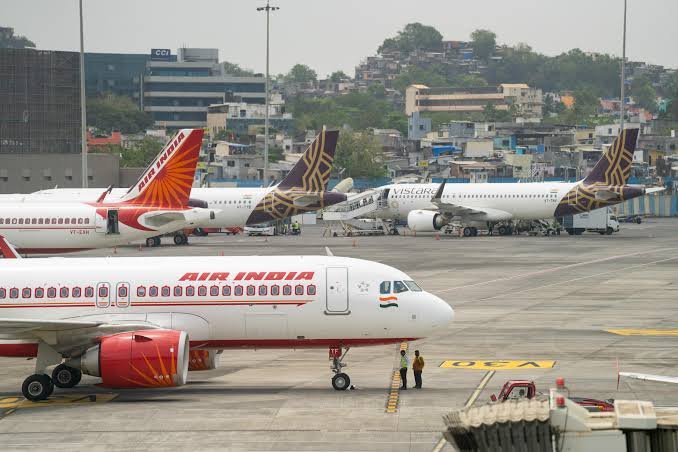
The Northeast Aviation Boom is reshaping regional connectivity as the number of functional airports across Northeast India rises to 17, compared with just 9 in 2014. The expansion reflects a major push to improve air connectivity across the region’s geographically challenging terrain. Moreover, more operational airports can shorten travel times and strengthen links between remote communities and major cities. The development could also create fresh opportunities for tourism, trade, investment and regional economic growth.
Nagaland Heritage Conservation: State Takes Over Preservation of WWII Remnants in Kohima
Northeast Aviation Boom Doubles Regional Airport Network
The increase from 9 functional airports in 2014 to 17 represents a significant expansion of aviation infrastructure across Northeast India. New and upgraded facilities can provide more communities with access to air travel.
Furthermore, improved airport infrastructure can connect smaller cities with major regional and national aviation hubs. Passengers can consequently reduce their dependence on lengthy road journeys.
The Northeast’s mountainous landscape and dispersed settlements often create transportation challenges. Therefore, aviation can play an important complementary role alongside highways, railways and waterways.
Additionally, more functional airports can improve mobility for students, professionals, tourists and business travellers. Faster connections can make inter-state travel more convenient across the region.
Northeast Aviation Boom Supports Tourism
Tourism can benefit significantly from improved air connectivity. Northeast India offers diverse landscapes, wildlife, cultural traditions and adventure destinations, but difficult terrain can make some locations challenging to reach.
Moreover, convenient airport access can encourage more visitors to explore destinations across the region. Travellers can spend less time in transit and more time at their destinations.
The aviation expansion can also support local tourism businesses. Hotels, restaurants, travel agencies, taxi operators and guides can benefit when passenger numbers increase.
Furthermore, better connections between airports can encourage multi-destination travel. Visitors may find it easier to combine destinations across different Northeastern states within a single journey.
Consequently, the growth in functional airports could contribute to a broader expansion of the regional tourism economy.
Northeast Aviation Boom Strengthens Business Connectivity
Airports also provide important infrastructure for economic development. Businesses need reliable transportation links to connect with customers, suppliers, investors and employees.
Therefore, an expanded airport network can make smaller cities more accessible to businesses operating nationally. Improved connectivity can reduce travel time and support faster commercial interactions.
Moreover, better aviation infrastructure can strengthen investment prospects. Companies often consider connectivity when deciding where to establish offices, facilities or regional operations.
Air transportation can also support sectors that depend on speed, including certain high-value agricultural and horticultural products. Improved airport access can complement road and rail logistics and provide additional transportation options.
Additionally, growing passenger traffic can create employment opportunities in airport operations, hospitality, transportation, retail and other supporting industries.
The Northeast Aviation Boom therefore has implications beyond passenger travel. It can strengthen the region’s integration with national economic networks.
Northeast Aviation Boom Changes Regional Connectivity
The expansion from 9 to 17 functional airports demonstrates how aviation infrastructure has grown over the past decade. However, the long-term impact will depend on maintaining reliable flight services and ensuring that airports remain financially and operationally sustainable.
Furthermore, airport expansion needs to work alongside improvements in roads and railways. Integrated transportation networks can provide passengers with convenient connections between airports and surrounding communities.
Weather also remains an important consideration in the Northeast. Heavy rainfall, fog and other seasonal conditions can affect flight operations, making strong airport infrastructure and reliable services particularly important.
Meanwhile, continued investment can help improve passenger facilities, cargo handling and connectivity to emerging economic centres.
The Northeast Aviation Boom consequently represents an important part of the region’s infrastructure transformation. With 17 functional airports compared with 9 in 2014, the Northeast has significantly expanded its aviation network and created stronger foundations for tourism, business and regional development.
Conclusion
The Northeast Aviation Boom has expanded the region’s functional airport network from 9 in 2014 to 17, strengthening air connectivity across Northeast India. The growth can reduce travel times, support tourism and improve access for businesses and communities. Moreover, continued coordination between aviation, road and railway infrastructure can help the Northeast build a more integrated and efficient transportation network.
FAQs
1. How many functional airports does Northeast India have now?
According to the information provided, Northeast India has 17 functional airports.
2. How many functional airports were there in 2014?
The number stood at 9 functional airports in 2014.
3. How can airport expansion benefit Northeast India?
More airports can improve travel connectivity, support tourism, facilitate business activity and provide faster transportation options.
4. Can the aviation boom support tourism?
Yes. Better air connectivity can make tourist destinations more accessible and support businesses such as hotels, restaurants and travel services.
5. Why is aviation particularly important for Northeast India?
The region’s mountainous terrain, long distances and challenging surface transportation routes make air connectivity an important complement to road and railway networks.