


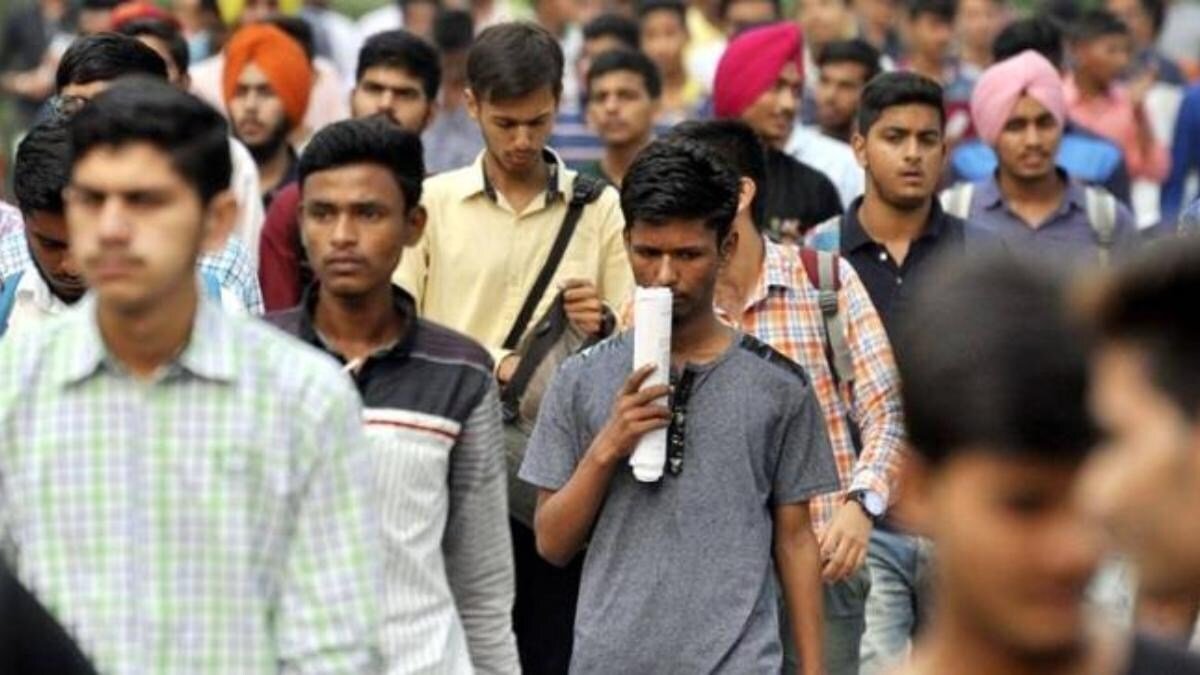
West Bengal recruitment eligibility overhaul discussions intensified after the Suvendu Adhikari-led state government announced sweeping revisions affecting Group A, B, C, and D public sector recruitment criteria across multiple departments. Meanwhile, officials stated that the updated framework aims to modernize eligibility standards, streamline recruitment procedures, and expand administrative efficiency within the state’s public employment system. The announcement immediately attracted strong reactions from government job aspirants, educational institutions, and political observers because recruitment policy changes directly affect thousands of candidates preparing for competitive examinations. Additionally, administrative departments reportedly began reviewing implementation procedures following the formal policy announcement.
The development emerged amid growing public attention surrounding government recruitment reforms, examination accessibility, and employment opportunities in West Bengal. Furthermore, governance experts noted that large-scale changes involving public service recruitment often carry significant political and administrative implications.
Northeast States Brace for Heavy Rainfall Alert
Meghalaya Footbridge Project Strengthens Rural Connectivity
Government Announces Broad Recruitment Policy Changes
State authorities formally unveiled revised eligibility norms covering recruitment for Group A, B, C, and D public sector positions. West Bengal recruitment eligibility overhaul measures therefore quickly became a major topic across employment and administrative circles.
Meanwhile, officials explained that the revised framework includes updated age limits, procedural adjustments, and revised qualification-related criteria linked to government recruitment processes. Additionally, departments reportedly received instructions to align future examination notifications and application systems with the updated regulations.
Government representatives argued that modernized recruitment structures are necessary to address administrative inefficiencies and improve candidate accessibility. Furthermore, authorities stated that the reforms seek to create greater consistency across departmental hiring systems.
Earlier, aspirant groups repeatedly demanded reforms involving recruitment delays, procedural confusion, and examination management. Consequently, the latest announcement generated immediate public discussion among students and competitive examination communities.
At the same time, recruitment agencies began examining operational changes required for implementation of the revised rules.
Aspirants React to Revised Eligibility Framework
Government job aspirants across West Bengal closely monitored the revised recruitment announcement. West Bengal recruitment eligibility overhaul discussions therefore expanded rapidly through educational forums, coaching centers, and student organizations.
Meanwhile, several candidates welcomed the reforms and argued that updated eligibility norms may provide broader opportunities for applicants affected by delayed recruitment cycles. Additionally, educational consultants observed increased inquiries regarding age limits, qualification criteria, and examination schedules.
Many aspirants stated that uncertainty surrounding recruitment processes created anxiety among candidates preparing for state government positions. Furthermore, student groups urged authorities to ensure transparent communication regarding implementation timelines and examination procedures.
Employment analysts noted that public sector jobs remain highly competitive because of employment stability, social prestige, and long-term career security. Consequently, even moderate changes involving recruitment eligibility frequently trigger strong statewide attention.
However, some candidates also demanded faster recruitment completion and timely result publication beyond policy reforms alone.
Administrative Departments Begin Internal Coordination
State departments and recruitment authorities reportedly initiated internal reviews following the policy announcement. West Bengal recruitment eligibility overhaul implementation therefore entered a critical administrative coordination phase.
Meanwhile, officials indicated that revised examination notices and recruitment guidelines may soon reflect the updated eligibility structure. Additionally, legal and administrative teams reportedly started assessing compatibility between existing recruitment systems and the modified framework.
Governance experts explained that public service rule revisions often require coordinated changes involving application portals, verification procedures, and examination management systems. Furthermore, departments may need to release additional explanatory notifications to avoid confusion among applicants.
Several policy observers emphasized that procedural clarity remains essential for maintaining fairness and transparency during recruitment cycles. Consequently, authorities may prioritize communication strategies and public guidance during implementation.
At the same time, analysts encouraged publication of predictable examination calendars to improve candidate confidence in the recruitment system.
Political Debate Intensifies Across State
The revised recruitment framework also triggered strong political reactions throughout West Bengal. West Bengal recruitment eligibility overhaul policies therefore became linked with broader debates involving unemployment, governance, and administrative accountability.
Meanwhile, ruling party representatives defended the changes and described them as part of a larger effort to modernize public administration and improve employment access. Additionally, government supporters argued that updated recruitment systems may help reduce procedural bottlenecks affecting applicants.
Opposition parties, however, questioned whether eligibility reforms alone would resolve concerns regarding pending vacancies and delayed recruitment processes. Furthermore, critics demanded greater transparency regarding hiring timelines and departmental staffing requirements.
Political analysts observed that employment-related policies frequently become politically sensitive because government jobs continue holding strong economic and social importance. Consequently, recruitment reforms often shape political narratives involving youth engagement and governance credibility.
At the same time, labor economists stressed that sustainable employment growth also depends heavily on industrial expansion and private sector development.
Group A to D Recruitment Structure Under Spotlight
Experts highlighted that the revised framework may significantly influence future public service examinations and hiring trends. West Bengal recruitment eligibility overhaul measures therefore could reshape recruitment dynamics across multiple administrative levels.
Meanwhile, analysts noted that Group A and B positions generally attract highly qualified candidates seeking senior administrative careers, while Group C and D recruitment involves broader participation from diverse educational backgrounds. Additionally, revised eligibility standards may influence application patterns and examination competition.
Public administration specialists argued that modern recruitment systems require standardized procedures, digital integration, and efficient grievance management mechanisms. Furthermore, transparent eligibility criteria remain essential for reducing procedural disputes and administrative litigation.
Several educational organizations also requested stronger awareness initiatives to ensure applicants from rural and economically disadvantaged communities fully understand the revised framework. Consequently, outreach and communication may become increasingly important during implementation.
At the same time, technology experts highlighted the importance of secure digital examination systems and streamlined verification infrastructure in large-scale recruitment operations.
Public Expectations Focus on Recruitment Efficiency
The policy overhaul generated broader public expectations regarding future government hiring efficiency in West Bengal. West Bengal recruitment eligibility overhaul implementation therefore became closely associated with demands for transparent and timely recruitment practices.
Meanwhile, aspirants urged authorities to ensure that revised rules result in faster examination scheduling, reduced administrative delays, and quicker appointment processes. Additionally, youth organizations emphasized the importance of addressing long-standing vacancy backlogs across departments.
Governance experts observed that public trust in recruitment systems depends heavily on consistency, fairness, and operational transparency. Furthermore, unresolved examination delays may continue affecting candidate confidence despite eligibility-related reforms.
Earlier, multiple Indian states revised public service recruitment policies following criticism regarding examination irregularities and delayed hiring cycles. Consequently, West Bengal authorities now face heightened expectations regarding administrative implementation and accountability.
At the same time, policy specialists recommended continuous consultation between recruitment agencies, legal experts, and educational institutions during future reforms.
Conclusion
West Bengal recruitment eligibility overhaul measures gained major public attention after the Suvendu Adhikari-led government announced sweeping revisions affecting Group A, B, C, and D public sector recruitment criteria. Meanwhile, administrative departments, aspirants, and political organizations continued evaluating the implications of the updated framework on future examinations and hiring practices. The reforms intensified broader discussions regarding employment opportunities, recruitment transparency, and governance efficiency across the state. Ultimately, the effectiveness of the policy may depend on transparent implementation, efficient recruitment management, and timely communication with job seekers.
FAQs
What changes did the government announce?
The government revised recruitment eligibility rules for Group A, B, C, and D public sector positions.
Why is West Bengal recruitment eligibility overhaul important?
The reforms affect government job eligibility and recruitment procedures for thousands of applicants.
Which sectors are affected by the policy?
The revised framework applies to multiple state government departments and recruitment bodies.
Why did the government introduce these changes?
Officials stated that the reforms aim to modernize recruitment systems and improve administrative efficiency.
How did job aspirants react?
Many candidates welcomed broader opportunities but also demanded faster recruitment processes.
Could the reforms affect future examinations?
Yes, experts believe the changes may influence examination participation and recruitment planning.