


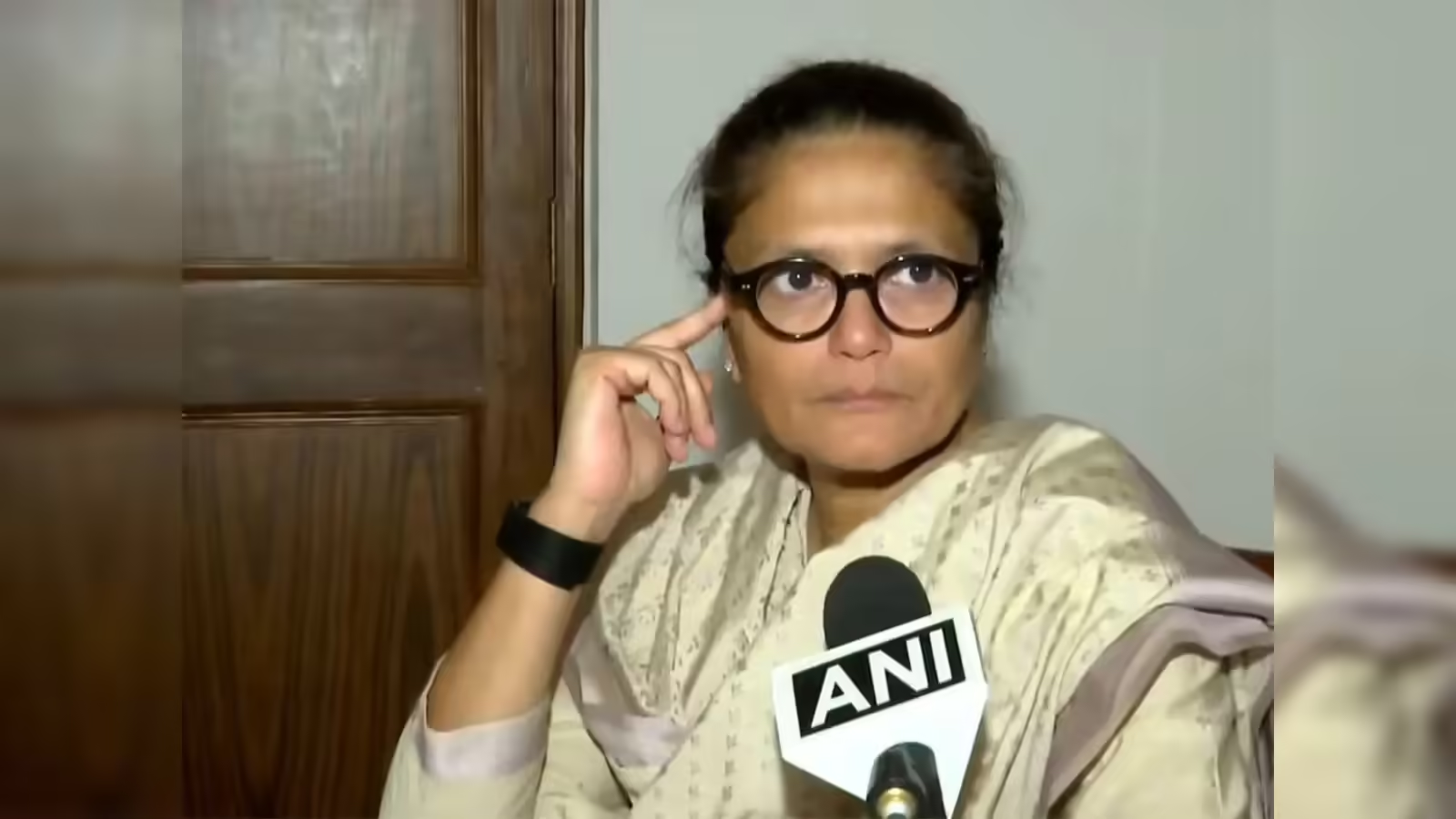
The Cachar TMC Resignation Crisis has emerged as a significant political development in Assam following the resignation of former Trinamool Congress leader Sushmita Dev. The Cachar district leadership of the party has indicated that mass resignations could follow her departure, raising questions about the future of the party’s organizational strength in the state. Moreover, the situation has intensified political discussions regarding leadership, party loyalty, and potential realignments in Assam’s political landscape.
Manipur Hostage Release Breakthrough Ends 27-Day Detention Crisis
NPP Northeast Expansion Strategy Unveiled at Major National Meeting
Cachar TMC Resignation Crisis Gains Momentum
The Cachar TMC Resignation Crisis has drawn considerable attention after senior party leaders suggested that multiple resignations could occur in the aftermath of Sushmita Dev’s departure. The development has generated uncertainty regarding the future direction of the Trinamool Congress in Assam.
Moreover, political observers view the situation as an important test for the party’s organizational stability in the state. Leadership transitions often influence party structures and grassroots support networks.
Sushmita Dev’s Exit Triggers Political Reactions
The crisis emerged shortly after Sushmita Dev resigned from the Rajya Sabha and subsequently became the center of speculation regarding her future political plans. Consequently, her departure has prompted strong reactions among party workers and supporters.
Additionally, Dev has long been considered one of the most recognizable political faces associated with the Trinamool Congress in Assam. Her exit has therefore created uncertainty among local cadres.
Cachar Leadership Hints at Mass Resignations
The district leadership in Cachar has indicated that several party members may consider resigning following recent developments. Therefore, concerns have grown about the possibility of a wider organizational impact.
Furthermore, mass resignations can significantly affect a political party’s operational capacity and public perception. Such developments often attract attention from both supporters and rival parties.
Assam Unit Faces Organizational Challenges
The Cachar TMC Resignation Crisis has highlighted challenges facing the party’s Assam unit. Consequently, party leaders may need to focus on maintaining unity and addressing concerns among members.
Moreover, regional political organizations often rely heavily on strong local leadership and grassroots networks. Changes within these structures can influence political momentum.
Political Realignment Discussions Intensify
The ongoing developments have fueled discussions about potential political realignments in Assam. Therefore, observers are closely monitoring whether more leaders or workers decide to alter their political affiliations.
Additionally, periods of uncertainty frequently lead to speculation regarding future alliances, leadership changes, and organizational restructuring within political parties.
Importance of Cachar in Assam Politics
Cachar remains an important district in Assam’s political landscape. Consequently, developments within major political parties in the region often attract broader state-level attention.
Furthermore, political trends emerging from districts such as Cachar can influence discussions regarding electoral strategies and party expansion efforts.
Party Workers Seek Clarity
Many party workers are reportedly awaiting further clarity regarding leadership decisions and future organizational plans. Therefore, internal discussions have become increasingly important in shaping the party’s next steps.
Moreover, clear communication from leadership often plays a critical role in maintaining confidence during periods of political transition.
Opposition and Rivals Monitor Situation
Political rivals are also closely observing the Cachar TMC Resignation Crisis. Consequently, developments within the Trinamool Congress may influence broader political calculations in Assam.
Additionally, shifts in party strength can affect local political dynamics, especially in regions where competition among parties remains intense.
Future of TMC in Assam Under Scrutiny
The developments have placed the future of the Trinamool Congress in Assam under increased scrutiny. Therefore, political analysts continue to assess how the party will respond to the current challenges.
Furthermore, organizational resilience and leadership decisions are likely to determine the party’s ability to maintain its presence and influence within the state.
Political Uncertainty Continues
The Cachar TMC Resignation Crisis remains an evolving story as party leaders and workers evaluate their options. Meanwhile, public and media attention continues to focus on potential future developments.
Moreover, the coming weeks could prove critical in determining whether the reported concerns lead to substantial organizational changes or are resolved through internal party efforts.
Conclusion
The Cachar TMC Resignation Crisis has emerged as a major political issue following the departure of Sushmita Dev from the Trinamool Congress. Statements from the party’s Cachar leadership suggesting the possibility of mass resignations have intensified concerns about the organization’s future in Assam. The situation highlights the challenges political parties often face when influential leaders exit or alter their political course.
Moreover, the developments have generated widespread discussion regarding leadership, party unity, and the broader implications for Assam’s political environment. As supporters and observers assess the evolving circumstances, attention remains focused on whether additional resignations materialize and how the party responds to the concerns raised by its members.
Furthermore, the crisis underscores the importance of organizational stability and effective communication during periods of political uncertainty. The Cachar TMC Resignation Crisis may ultimately shape future political alignments and strategic decisions within the state. Overall, the coming days are expected to provide greater clarity regarding the extent of the impact and the future trajectory of the Trinamool Congress in Assam.
FAQs
Q1. What is the Cachar TMC Resignation Crisis?
The Cachar TMC Resignation Crisis refers to concerns about possible mass resignations within the Trinamool Congress in Assam following Sushmita Dev’s departure.
Q2. What triggered the crisis?
The issue emerged after Sushmita Dev resigned and speculation about her future political plans gained attention.
Q3. Who indicated the possibility of mass resignations?
The Cachar district leadership of the Trinamool Congress suggested that several party members could resign.
Q4. Why is Cachar politically significant?
Cachar is an important district in Assam and often plays a notable role in regional political developments.
Q5. How could the Cachar TMC Resignation Crisis affect Assam politics?
The Cachar TMC Resignation Crisis could influence party organization, political alignments, and future electoral strategies within the state.