


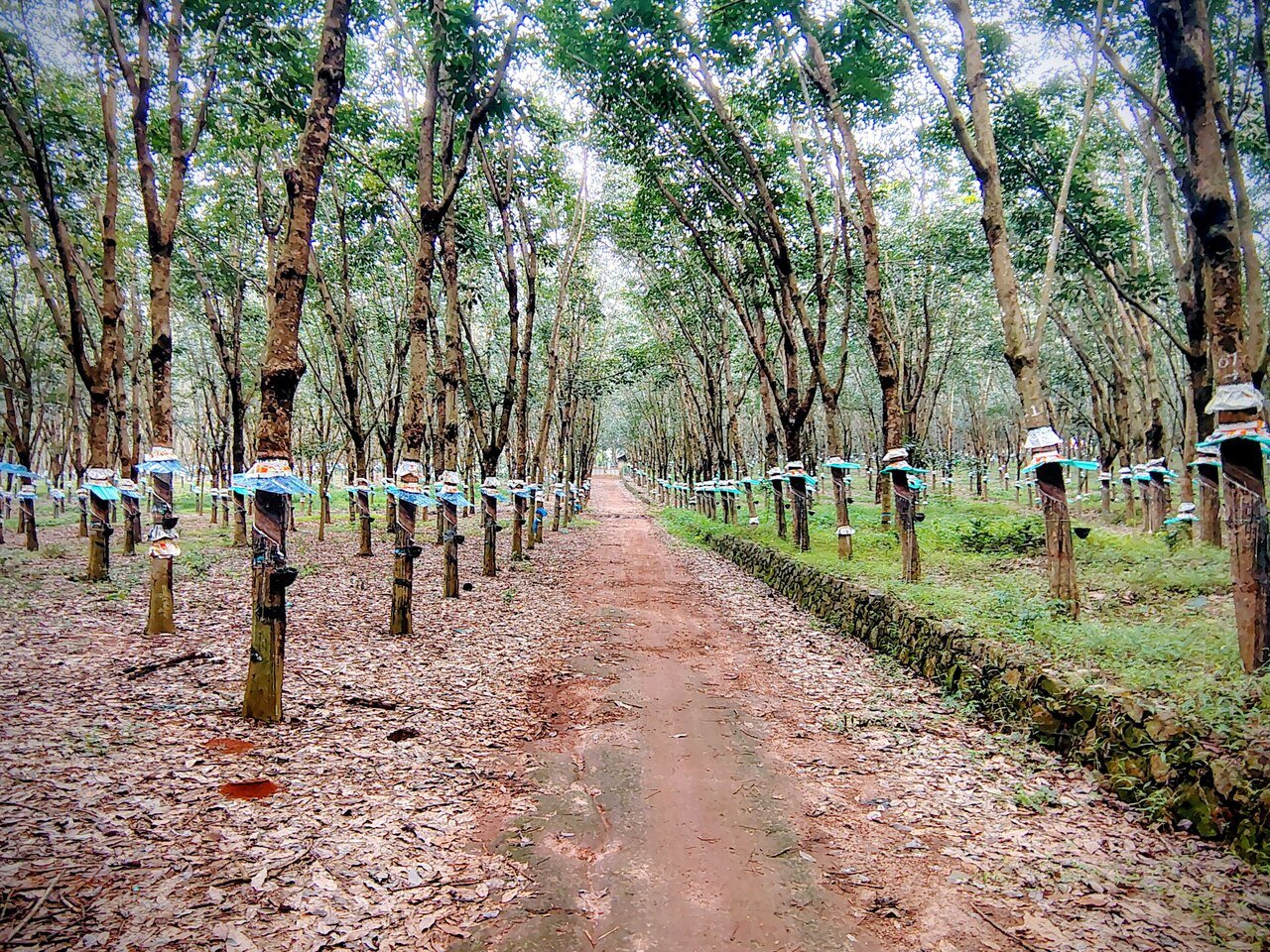
Senior Central Goods and Services Tax (CGST) officials have highlighted the untapped GST revenue potential within Tripura’s expanding rubber sector. The discussion has drawn attention to the economic importance of rubber production and its contribution to the state’s industrial activity. Moreover, the assessment highlights opportunities to improve tax compliance and strengthen revenue collection. Tripura has an established rubber industry, with plantations supporting farmers, traders, processors, and other businesses. As the sector grows, better coordination between industry stakeholders and tax authorities could support formal economic activity and improve revenue mobilisation.
Assam: Five Workers Injured, One Missing After Explosion at Oil India Tank Farm
CGST Officials Highlight Rubber Sector’s GST Potential
Senior CGST officials have identified significant opportunities to improve GST revenue collection from Tripura’s rubber sector. Their observations focus on the potential to strengthen tax compliance as the industry expands.
The rubber sector includes several stages of economic activity. These include plantation operations, raw rubber collection, processing, trading, and manufacturing.
Each stage contributes to the wider supply chain. Therefore, proper documentation and compliance across business transactions can support accurate tax reporting.
Moreover, improved awareness among traders and businesses could help address gaps in tax compliance. Authorities may also examine areas where greater transparency can strengthen revenue collection.
Tripura’s Rubber Industry Supports Economic Activity
Rubber cultivation plays an important role in Tripura’s agricultural and economic landscape. The industry supports plantation workers, farmers, traders, and processing units.
Furthermore, rubber production creates opportunities for businesses involved in transportation, storage, and manufacturing. This activity connects rural producers with markets and industrial consumers.
The sector’s growth also increases the importance of organised supply chains. Better market access and processing facilities can support producers and strengthen commercial activity.
Consequently, the rubber industry has significance beyond agricultural production. Its wider business network also creates opportunities for formal economic participation and tax compliance.
GST Compliance Could Strengthen Revenue Collection
The observations from CGST officials highlight the importance of bringing eligible business transactions into the formal tax system. GST compliance helps authorities maintain accurate records of taxable economic activity.
Businesses must follow applicable registration, invoicing, and return-filing requirements. However, compliance obligations depend on the nature of the transaction and the relevant provisions of GST law.
In addition, awareness programmes can help smaller traders understand their responsibilities. Clear guidance may reduce filing errors and improve voluntary compliance.
Better documentation can also improve transparency across the rubber supply chain. As a result, tax authorities can gain a clearer picture of commercial activity.
Rubber Supply Chain Offers Scope for Formalisation
Tripura’s rubber industry involves several participants, from plantation owners to manufacturers. Each participant plays a role in moving rubber products through the market.
Moreover, organised supply chains can improve traceability and business accountability. Proper records help companies track purchases, sales, transportation, and processing activities.
The sector may also benefit from stronger connections between producers and industrial buyers. Such links can support market expansion and encourage investment in processing facilities.
However, formalisation requires cooperation from businesses and producers. Accessible information, practical compliance support, and clear procedures can help smaller operators participate.
Revenue Mobilisation and Industrial Development
Improving GST compliance in the rubber sector could support state and central revenue mobilisation. At the same time, a transparent tax system can create a more organised business environment.
Furthermore, accurate tax reporting helps authorities understand economic activity across different industries. This information can support policy planning and administrative monitoring.
However, revenue growth should go alongside measures that support legitimate businesses. Smaller producers and traders may require guidance to understand applicable tax rules.
A balanced approach can help improve compliance without creating unnecessary difficulties for businesses. Therefore, cooperation between tax officials and industry representatives remains important.
Future Opportunities for Tripura’s Rubber Sector
The discussion around GST revenue potential brings attention to the wider development prospects of Tripura’s rubber industry. Better processing, market connections, and business formalisation could support future expansion.
In addition, improved tax awareness may help businesses operate with greater transparency. This can strengthen commercial records and support compliance across the supply chain.
The sector’s long-term contribution will depend on production capacity, market demand, infrastructure, and industrial investment. Effective coordination between government agencies and industry stakeholders can help address these requirements.
Overall, the rubber sector offers opportunities for both economic development and improved tax administration.
Conclusion
Senior CGST officials have highlighted untapped GST revenue potential within Tripura’s growing rubber sector. Their observations underline the importance of tax compliance, transparent business transactions, and organised supply chains. Moreover, the industry’s contribution extends across agriculture, trade, processing, and manufacturing. Better awareness and cooperation between businesses and tax authorities could support revenue mobilisation while strengthening the sector’s formal economic activity.
FAQs
What did senior CGST officials highlight?
They highlighted the untapped GST revenue potential within Tripura’s growing rubber sector.
Why is rubber important to Tripura’s economy?
Rubber cultivation supports farmers, plantation workers, traders, processors, and related businesses.
How can the rubber sector contribute to GST revenue?
Tax compliance across eligible plantation-related businesses, trading, processing, and manufacturing transactions can contribute to GST revenue.
What does GST compliance involve?
It includes following applicable registration, invoicing, tax payment, and return-filing requirements.
How can smaller rubber businesses improve compliance?
They can maintain proper transaction records and seek guidance on applicable GST requirements.
What could support further growth in Tripura’s rubber industry?
Better processing facilities, market access, infrastructure, investment, and organised supply chains could support expansion.