


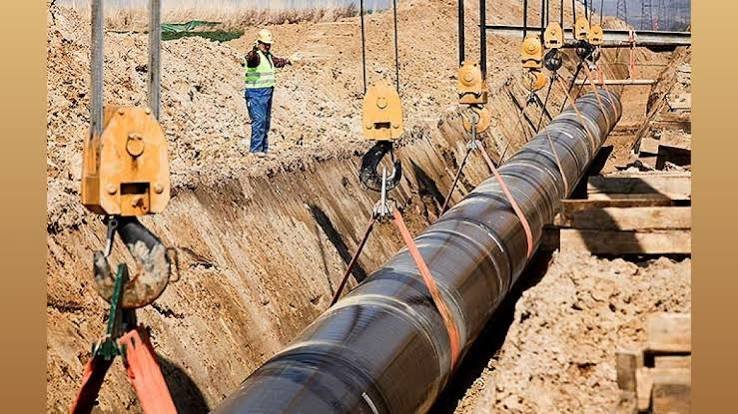
The Clean Fuel Push is gaining momentum as construction of the North East Gas Grid advances across the region. The ambitious energy infrastructure aims to improve access to natural gas while strengthening industrial connectivity across the Northeastern states. Moreover, a wider gas network can support industries, households and commercial users by providing an alternative to more carbon-intensive fuels. The project could also strengthen the Northeast’s role in India’s evolving energy transition.
Nagaland Heritage Conservation: State Takes Over Preservation of WWII Remnants in Kohima
Clean Fuel Push Expands Northeast Gas Connectivity
The North East Gas Grid represents a major effort to establish an interconnected natural-gas transportation network across the region. The project can connect gas-producing areas, processing facilities and consumption centres through dedicated pipeline infrastructure.
Furthermore, reliable gas transportation can improve energy availability for industries that depend on natural gas. Manufacturing units, power plants and other commercial users can benefit from more dependable access to fuel.
The Northeast has significant energy resources, but difficult terrain and limited infrastructure have historically complicated their distribution. Therefore, expanding pipeline connectivity can help address some of these logistical challenges.
Additionally, a regional gas network can create stronger links between individual states and the wider national gas infrastructure.
Clean Fuel Push Supports Industrial Development
Reliable energy supplies play an important role in attracting and retaining industrial investment. Consequently, improved gas availability could support businesses seeking cleaner and more predictable fuel options.
Moreover, industries can use natural gas for several applications, including heating, manufacturing and power generation. Greater availability can therefore help diversify the region’s energy mix.
The construction phase can also generate demand for engineering, construction, transportation and maintenance services. Local businesses may benefit from opportunities associated with pipeline development and supporting infrastructure.
Furthermore, improved energy connectivity can encourage the development of gas-based industries around connected areas. This could contribute to employment and broader economic activity.
However, the long-term benefits will depend on sufficient gas demand, reliable supply and economically viable pipeline operations.
Clean Fuel Push Can Support Energy Transition
Natural gas generally produces fewer carbon emissions during combustion than coal and several other conventional fuels. Therefore, expanding gas infrastructure can support a gradual transition toward cleaner energy sources in sectors that cannot immediately shift to electricity or other low-carbon alternatives.
Moreover, a well-developed gas network can provide an additional energy option alongside hydropower, solar and other renewable sources. This diversified approach can help improve energy-system flexibility.
The Northeast is already expanding renewable-energy infrastructure, particularly hydropower. Consequently, gas infrastructure could complement the region’s changing energy mix while industries gradually adopt cleaner technologies.
Meanwhile, policymakers and energy companies must also consider the long-term role of natural gas as India moves toward lower-carbon energy systems. Investments should balance immediate energy requirements with broader climate and sustainability objectives.
Clean Fuel Push Strengthens Regional Infrastructure
The North East Gas Grid could become an important part of the region’s wider infrastructure network. Pipelines can connect energy suppliers with industrial centres while reducing dependence on road-based transportation for fuel distribution.
Additionally, improved connectivity can support urban and commercial development where gas infrastructure reaches new markets. Businesses can gain access to a more diversified fuel supply system.
Furthermore, the project can strengthen economic integration among the Northeastern states. Shared energy infrastructure can encourage cooperation and improve the movement of energy resources across state boundaries.
However, pipeline construction in the Northeast requires careful environmental and geographical planning. Authorities and developers must address challenging terrain, ecological concerns, land requirements and community interests.
If construction continues successfully, the North East Gas Grid could provide the foundation for a stronger regional gas market. The project therefore represents an important element of the Clean Fuel Push and the Northeast’s broader infrastructure transformation.
Conclusion
The Clean Fuel Push is gaining momentum as construction of the North East Gas Grid progresses across the region. The network can improve natural-gas availability, support industries and strengthen regional energy connectivity. Moreover, it can complement renewable-energy development while helping businesses transition toward cleaner fuel options. Responsible construction and long-term planning will remain essential to maximising its economic and environmental benefits.
FAQs
1. What is the North East Gas Grid?
The North East Gas Grid is a regional pipeline network designed to transport natural gas between supply sources and consumption centres across Northeast India.
2. How can the gas grid benefit industries?
It can provide industries with more reliable access to natural gas for manufacturing, heating and power-generation requirements.
3. Can the gas grid support cleaner energy use?
Natural gas can produce fewer emissions than some conventional fossil fuels when burned, allowing it to serve as a transitional fuel in certain sectors.
4. Could the project create economic opportunities?
Yes. Pipeline construction and associated infrastructure can generate demand for engineering, construction, logistics and maintenance services.
5. What challenges could affect the gas grid’s development?
Difficult terrain, environmental considerations, land requirements, community concerns and the need for sufficient long-term gas demand can affect project implementation.