


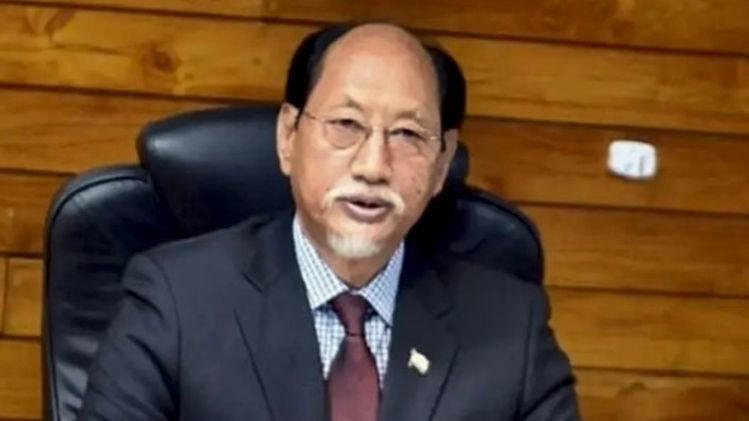
The Dimasa Students’ Union (DSU) has strongly objected to Nagaland Chief Minister Neiphiu Rio’s reported description of the Kachari community as migrants in Dimapur. The organisation has called the remark historically inaccurate and deeply hurtful to the community’s sentiments. It has also urged the Chief Minister to clarify his statement and recognise the historical connection between the Kachari people and the region.
In a press statement issued on November 2, 2026, the DSU Central Committee highlighted the ancestral roots of the Dimasa Kachari community in Dimapur. The union argued that the city’s history as the former capital of the Dimasa Kachari Kingdom clearly reflects the community’s longstanding presence in the region.
The controversy has renewed discussions about indigenous identity, historical belonging and the rights of different communities in Nagaland. The DSU has maintained that peaceful coexistence must go hand in hand with respect for the history and identity of every community.
DSU Condemns Neiphiu Rio’s Reported Migrant Remark
The DSU expressed strong dissatisfaction with the reported statement by Chief Minister Neiphiu Rio. The union described the characterisation of Kacharis as migrants in Dimapur as “historically inaccurate, factually untenable and deeply hurtful”.
According to the organisation, such remarks disregard the historical identity and ancestral connection of the Kachari people with the region. It argued that people cannot simply dismiss the community’s historical roots while discussing indigenous identity and belonging.
The controversy follows Rio’s reported remarks at the inauguration of the Lhisemia Multipurpose Building in Kohima on October 31. According to reports in regional media, the Chief Minister referred to four non-Naga communities, namely Kuki, Kachari, Garo and Karbi, as migrants. He also raised concerns about indigenous inhabitant certificates and their possible impact on educational opportunities, scholarships and other benefits available to indigenous Naga students.
The DSU’s November 2 statement specifically challenged the reported description of Kacharis as migrants in Dimapur. The union urged the Chief Minister to address the issue with greater historical awareness and sensitivity.
Dimapur’s Historical Connection With the Dimasa Kachari Kingdom
The DSU has based its objection largely on Dimapur’s historical importance. The city once served as the capital of the erstwhile Dimasa Kachari Kingdom. The union believes that this historical connection provides strong evidence of the community’s ancestral association with the region.
Dimapur also contains several archaeological remains linked to the ancient kingdom. These include distinctive mushroom-shaped stone pillars, monoliths, temples, embankments and royal tanks.
The famous Kachari Rajbari ruins remain an important symbol of the region’s historical and cultural heritage. These structures reflect the architectural traditions and legacy of the former Dimasa Kachari rulers.
The union argued that the historical remains cannot be separated from the identity of the people who built and maintained the kingdom. It stated that the Kachari community cannot be casually described as migrants in a place closely connected to its ancestral heritage.
The DSU also maintained that historical contributions deserve fair recognition. It urged authorities to acknowledge the region’s shared history rather than question the identity of any particular community.
DSU Emphasises Indigenous Identity and Peaceful Coexistence
While strongly defending the historical identity of the Kachari people, the union also acknowledged the importance of peaceful coexistence among different communities.
Dimapur has developed into a diverse urban centre where several communities live, work and maintain their cultural traditions. The DSU stated that it respects every community residing in present-day Dimapur.
However, it stressed that peaceful coexistence should never require the Kachari people to compromise their indigenous identity or ancestral history.
The organisation believes that mutual respect must form the foundation of relationships among communities. It also called for fair recognition of everyone’s historical contributions without selectively questioning the identity or belonging of the Kacharis.
The union further urged political leaders to exercise responsibility when discussing sensitive issues involving indigenous communities. Public statements, it argued, should reflect historical understanding and avoid creating unnecessary tensions.
Historical Records and Indigenous Recognition in Nagaland
The controversy also highlights wider questions about indigenous recognition in Nagaland. The state has several communities with longstanding historical connections to different parts of the region.
The Constitution (Nagaland) Scheduled Tribes Order, 1970, recognises Kacharis as a Scheduled Tribe in Nagaland. A Land Revenue Department notification dated November 7, 1979, also listed Kacharis among communities recognised as indigenous inhabitants under the state’s land regulations.
However, historical presence and eligibility for contemporary indigenous inhabitant certificates involve separate legal and administrative questions.
Nagaland has introduced policies that distinguish families who settled in the state before December 1, 1963, from those who arrived later. The distinction has become important in discussions about indigenous inhabitant certificates and access to certain benefits.
The issue has also entered the judicial domain. In an order dated March 18, 2026, the Gauhati High Court referred to the Nagaland government’s 2024 decisions concerning the enumeration and certification of Kuki, Kachari, Mikir and Garo communities.
These developments demonstrate the complexity of indigenous recognition in the state. They also highlight the need to examine historical records, constitutional provisions and administrative policies carefully.
Dimasa Students’ Union Seeks Clarification From Nagaland Chief Minister
The DSU has directly urged Chief Minister Neiphiu Rio to clarify his reported remarks. It wants the Chief Minister to recognise the historical identity and ancestral connection of the Kachari community with Dimapur.
The organisation also called for greater responsibility and sensitivity when political leaders address matters concerning indigenous communities. It believes that public representatives must consider the historical and cultural implications of their statements.
The press statement carries the signatures of DSU Central Committee president Pramith Sengyung and general secretary Amit Nunisa. Both office-bearers reaffirmed the organisation’s commitment to protecting the dignity and historical identity of the Dimasa Kachari people.
The union also made clear that it would continue to defend these principles through peaceful and democratic means.
Debate Over Historical Identity and Community Rights Continues
The DSU’s objection has brought renewed attention to Dimapur’s connection with the ancient Dimasa Kachari Kingdom. It has also highlighted the wider debate over indigenous identity, historical belonging and the recognition of different communities in Nagaland.
The issue goes beyond a political disagreement over a public statement. It raises important questions about how governments and public representatives acknowledge historical communities while addressing contemporary administrative and constitutional concerns.
For the Kachari community, recognition of its ancestral connection with Dimapur remains an important part of preserving its identity and cultural heritage.
As discussions continue, the DSU expects the Nagaland Chief Minister to clarify his reported remarks and approach the issue with greater sensitivity. The organisation maintains that peaceful coexistence, mutual respect and historical recognition must remain central to relations among communities.
The coming days may bring further responses from political leaders and community organisations. Meanwhile, the controversy has once again placed Dimapur’s historical legacy and the rights of indigenous communities at the centre of public discussion.