


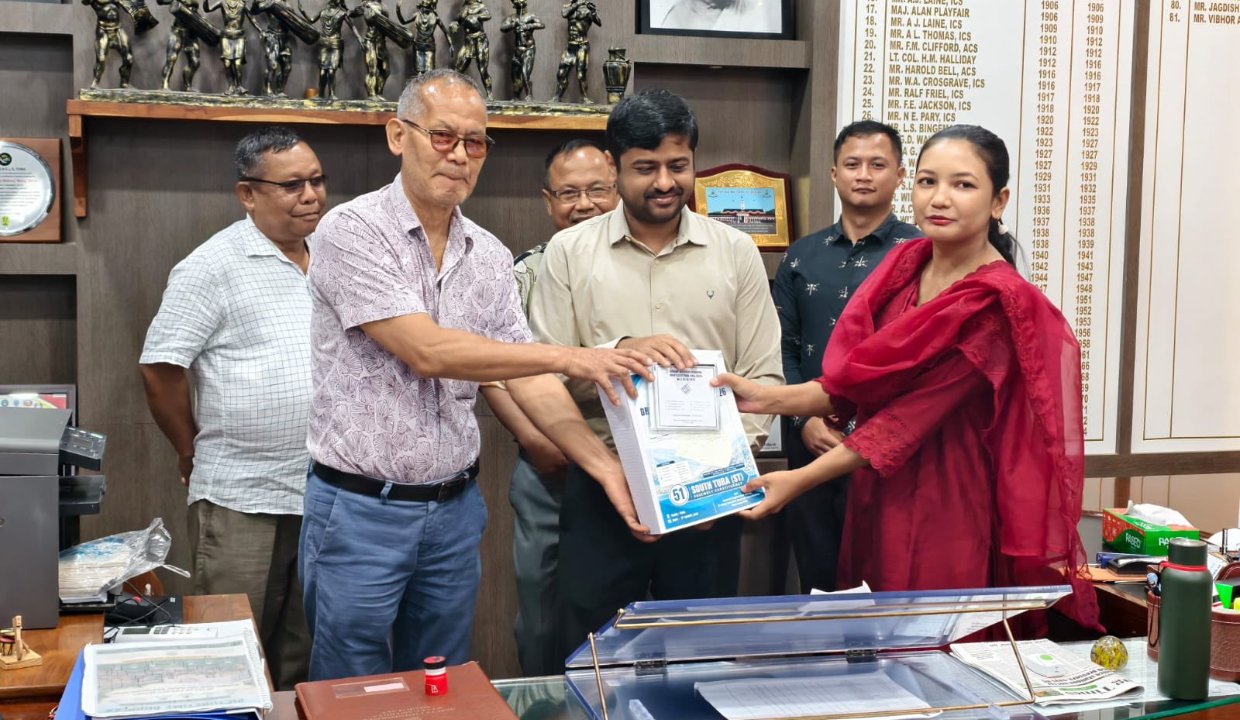
Meghalaya’s electoral-roll revision has triggered political attention after around 1.80 lakh registered voters reportedly disappeared from the draft electoral roll following a detailed verification exercise. The sharp reduction has raised questions about voter verification, migration, duplicate registrations, and the treatment of electors who could not be confirmed during the revision.
The change comes as election authorities conduct intensive checks to improve the accuracy of voter records. Moreover, the exercise has placed greater focus on house-to-house verification and the procedures available to voters whose names do not appear in the draft list.
However, the reduction should not automatically be interpreted as the permanent deletion of 1.80 lakh eligible voters. Draft electoral rolls remain subject to claims, objections, corrections, and further verification before authorities publish the final list.
Census 2026 Delay Demands: Akoijam Focuses on National Register of Citizens
Meghalaya Electoral Roll Sees Sharp Decline
The reported reduction of around 1.80 lakh voters has become a major point of discussion in Meghalaya’s electoral politics.
Officials undertake electoral-roll revisions to identify outdated or inaccurate records. Furthermore, such exercises can reveal voters who have shifted residence, died, registered more than once, or could not be verified during field visits.
The resulting changes can significantly alter the size of a draft electorate.
However, the reasons behind individual omissions can differ, so the statewide reduction requires careful examination.
House-to-House Verification Drives Changes
House-to-house verification forms an important part of electoral-roll revision.
Field officials visit households and check whether registered electors still live at their recorded addresses. Additionally, they can collect information about voters who have moved, died, or otherwise require changes to their electoral records.
This process can help authorities update outdated databases.
However, verification can also create disputes when officials cannot locate eligible voters during the exercise.
Migration Can Affect Voter Records
Population movement can contribute to changes in electoral rolls.
People may move from one district to another or leave the state for employment, education, or family reasons. Moreover, some voters may not immediately update their registration after moving.
Such circumstances can create outdated electoral entries.
However, authorities must distinguish temporary absence from a permanent change in electoral residence before taking final action.
Duplicate Registrations Face Scrutiny
Duplicate voter entries can also contribute to reductions during electoral-roll revision.
Officials can compare records and investigate cases where the same person appears to have multiple registrations. Furthermore, technological tools can assist authorities in identifying records that require additional verification.
Removing confirmed duplicate entries can improve the accuracy of voter lists.
However, officials must verify suspected duplicates before removing a legitimate registration.
Deceased Voters May Be Removed
Electoral rolls can retain the names of deceased voters when authorities do not receive updated information promptly.
House-to-house verification can help identify such records. Additionally, information from relevant administrative sources can support the updating of electoral databases.
Removing confirmed deceased voters helps maintain accurate rolls.
However, authorities should follow established verification procedures before making such changes.
Untraceable Electors Become a Key Issue
Another category involves voters whom officials could not verify during the field exercise.
A voter may remain temporarily away from home when officials visit. Moreover, people working or studying outside their usual residence may not receive timely information about the verification process.
These circumstances can create questions about whether an entry should remain on a draft roll.
Therefore, claims and objections become particularly important for affected electors.
Draft Omission Is Not Final Deletion
The distinction between a draft omission and a permanent deletion remains crucial.
Authorities generally provide procedures through which affected voters can challenge an omission or request correction. Furthermore, successful claims can result in names returning to the electoral roll.
The final electorate can therefore differ from the draft figure.
However, affected voters must follow the applicable procedures and deadlines.
Political Parties Raise Questions
The scale of Meghalaya’s electoral-roll reduction has attracted political attention.
Political parties can compare the draft roll with previous electoral lists and identify constituencies where voter numbers have changed sharply. Additionally, parties can encourage supporters to verify their names and raise concerns through official channels.
Such scrutiny can improve public awareness.
However, a large reduction in voter numbers does not by itself prove political interference or electoral manipulation.
Tribal Constituencies Under Watch
Electoral changes carry particular importance in Meghalaya because tribal representation plays a central role in state politics.
Changes in voter numbers can affect how parties assess constituencies and organise grassroots campaigns. Moreover, political organisations may closely monitor revisions in areas where community representation has significant electoral importance.
The draft roll could therefore influence political discussions.
However, electoral authorities must apply the same legal standards across communities and constituencies.
Remote Communities Face Challenges
Meghalaya’s geography can make voter verification difficult in some areas.
Remote villages and difficult terrain can create logistical challenges for officials conducting house-to-house visits. Furthermore, some voters may have limited access to online systems or administrative offices.
Effective local outreach can help address these problems.
However, voters should obtain official information about correction procedures directly from election authorities.
Claims and Objections Offer Protection
The claims-and-objections stage provides an important safeguard for eligible voters.
Individuals who cannot find their names can seek information about the reason for the omission and use the prescribed mechanism to request inclusion. Moreover, authorities can examine supporting information before making final decisions.
This process helps distinguish legitimate corrections from administrative mistakes.
However, every claim remains subject to verification under applicable election rules.
Political Monitoring Could Increase
Political parties are likely to monitor the revision more closely as the process continues.
They can review changes at the constituency and polling-station levels and identify areas that require additional attention. Additionally, parties can help voters understand how to check their registration status.
Such monitoring can strengthen transparency.
However, political organisations should base allegations on verified electoral data.
Digital Records Support Verification
Technology plays an increasingly important role in electoral-roll management.
Digital databases allow officials to compare records and identify potential duplicate or outdated entries. Furthermore, online services can make it easier for voters to check their registration information and submit certain applications.
These systems can improve administrative efficiency.
However, digital checks cannot replace human verification when individual cases remain disputed.
Final Roll Could Restore Some Names
The current draft figure does not necessarily represent Meghalaya’s final electorate.
Eligible voters can submit claims, while authorities can correct errors and process additional registrations. Moreover, successful applications can increase the final number of registered electors.
The final roll may therefore contain substantially more voters than the current draft.
However, the outcome will depend on the number and nature of claims received and successfully verified.
Electoral Trust Faces a Test
Large changes to voter lists can generate uncertainty among citizens.
Clear explanations from election authorities can help voters understand why records changed and what steps they can take. Furthermore, timely information can prevent misinformation from spreading during a politically sensitive revision.
Transparency can consequently strengthen confidence in the process.
However, public debate should distinguish verified electoral information from political claims.
Legal Challenges Remain Possible
Disputed electoral-roll decisions can sometimes lead to legal proceedings.
Affected voters may first use administrative claims and objection mechanisms. Additionally, broader disputes over procedures could potentially reach courts if existing remedies do not resolve them.
The legal position will depend on the circumstances of each case.
However, the reported reduction alone does not establish that authorities breached electoral law.
Voter Action Becomes Important
The revision places greater responsibility on individual voters to check their registration status.
Electors should verify their names and personal details and seek correction if they discover an omission. Moreover, voters who have moved should ensure that their registration reflects their eligible place of residence.
Early verification can help resolve problems before the final roll.
However, voters should rely on official election authorities for current procedures and deadlines.
Conclusion
The Meghalaya electoral roll shock involving around 1.80 lakh registered voters has intensified attention on the state’s voter-verification process. House-to-house checks can identify deceased electors, duplicate registrations, shifted residents, and voters whose records require further examination.
Moreover, the reported reduction should not automatically be treated as the permanent deletion of 1.80 lakh eligible voters. The draft electoral roll remains subject to claims, objections, corrections, and further verification before authorities finalise the register.
Overall, the controversy highlights the difficult balance between maintaining accurate electoral rolls and protecting the voting rights of eligible citizens. The final impact will depend on how authorities resolve disputed entries and how many affected voters successfully secure correction or inclusion.
FAQs
1. Why did Meghalaya’s registered voter count fall by around 1.80 lakh?
The reduction followed an electoral-roll verification exercise that examined records involving possible migration, duplicate registrations, deceased electors, and voters who could not be verified.
2. Does the reduction mean 1.80 lakh voters lost their voting rights permanently?
Not necessarily. Draft-roll omissions can change after claims, objections, corrections, and further verification.
3. Why is house-to-house verification important?
It allows officials to check voter information directly and identify records that may no longer accurately reflect an elector’s status.
4. Can a voter challenge an omission?
Yes. Eligible voters can use the applicable claims and correction procedures to seek inclusion or rectify inaccurate information.
5. Could Meghalaya’s final electoral roll contain more voters?
Yes. Successful claims, corrections, and new eligible registrations can increase the electorate before authorities publish the final roll.