


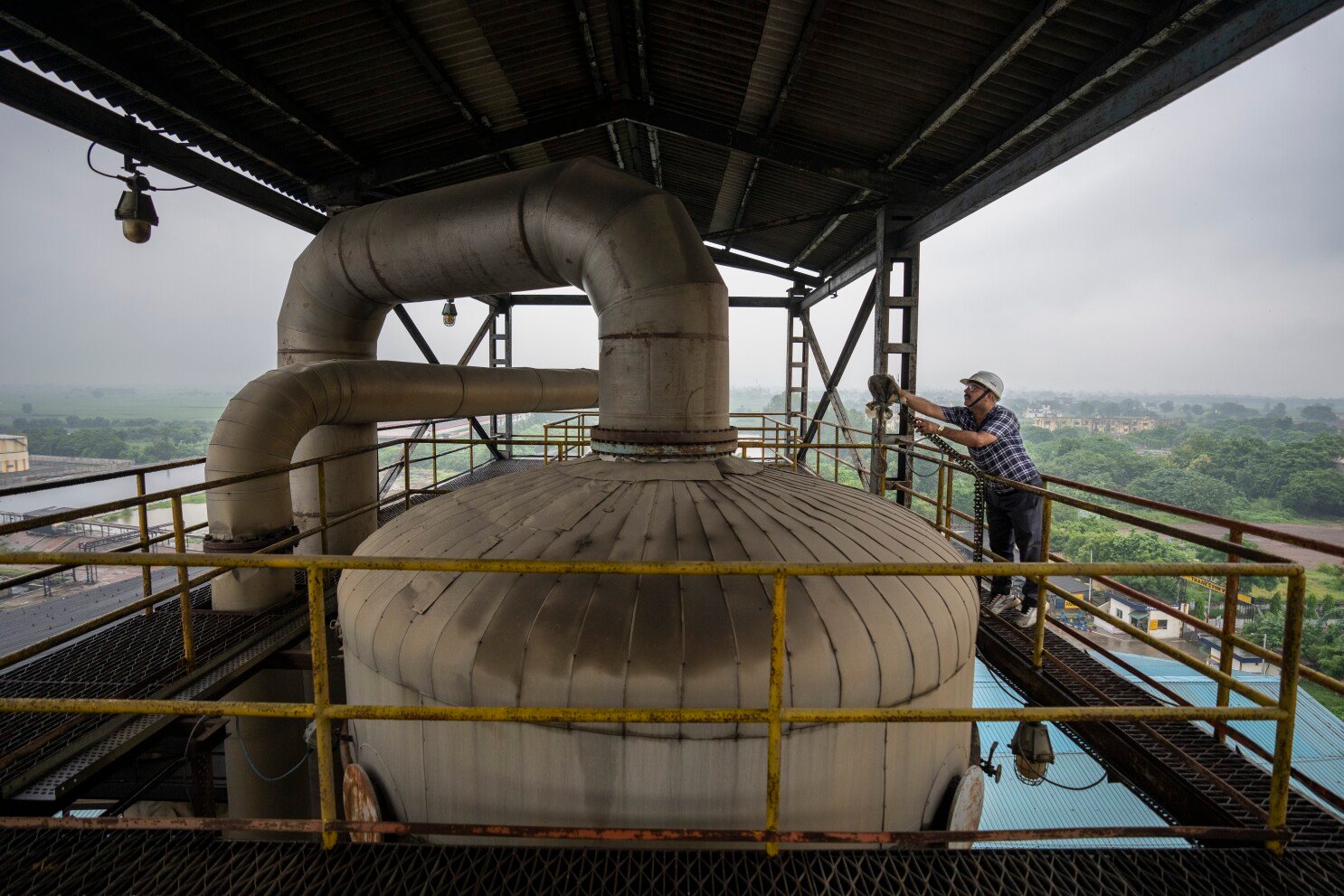
Goalpara district in Assam is witnessing mounting tension as environmentalists and locals raise alarms about the SEAS Biotech ethanol manufacturing unit. The plant, located at the Matia Industrial Development Center, is accused of large-scale deforestation and severe environmental degradation. Residents claim that unchecked operations are threatening both local ecosystems and community health.
Reports from the area reveal massive tree cutting over recent months. Locals allege the plant’s rapid expansion has encroached on agricultural land and forest zones. Many fear that the damage to the ecosystem will be irreversible if immediate action is not taken.
Allegations of Deforestation and Habitat Loss
Community leaders claim that at least several acres of forest land have been cleared to make way for plant facilities and related infrastructure. This has disrupted wildlife habitats, causing the displacement of animals and leading to increased human-animal conflict in nearby villages.
Goalpara’s once-thick vegetation is now thinning rapidly, sparking concerns among environmental activists. Experts stress that large-scale deforestation not only threatens biodiversity but also worsens soil erosion and water scarcity.
Water Contamination Raises Public Health Fears
Beyond deforestation, residents are voicing serious concerns about water quality. Locals report changes in the taste and smell of drinking water in nearby villages. Allegations suggest the plant’s waste disposal methods may be contaminating water sources, putting thousands of lives at risk.
Families living close to the site claim they have seen increased instances of skin rashes, respiratory issues, and stomach ailments over the past few months. Health officials have yet to release a formal investigation report, but residents are calling for urgent water testing and health assessments.
Locals Demand Government Intervention
Villagers have staged multiple protests in front of the Matia Industrial Development Center demanding a halt to the plant’s operations until an independent environmental audit is conducted. Protestors are also urging the Assam government to take stronger action to regulate industrial expansion in ecologically sensitive areas.
Community elders say their pleas for better compensation and rehabilitation have gone unheard. Many farmers claim their crops are suffering due to reduced groundwater levels and polluted irrigation channels.
Environmentalists Call for Accountability
Environmental organizations across Assam are now closely monitoring the developments in Goalpara. Activists emphasize that while ethanol production is seen as a step towards reducing dependence on fossil fuels, it should not come at the cost of environmental destruction and community well-being.
Experts recommend a comprehensive Environmental Impact Assessment (EIA) for SEAS Biotech to measure the full scope of damage caused. They also urge stricter enforcement of pollution control norms and better industrial waste management systems.
Ethanol Industry’s Role in Assam’s Economy
The ethanol sector is being heavily promoted by both the state and central governments to reduce carbon emissions and boost local employment. Assam’s ethanol projects are intended to support farmers by purchasing surplus crops like sugarcane and maize. However, the controversy in Goalpara highlights the delicate balance between industrial growth and environmental preservation.
Policy experts argue that ethanol projects can succeed only if they adhere to sustainable practices. Transparent waste management systems, strict regulatory oversight, and community engagement are key to building trust among locals.
A Community on Edge
For residents of Goalpara’s Matia region, daily life has become a struggle. Once-pristine water bodies are reportedly shrinking, and thick plumes of smoke from the plant have worsened air quality. Villagers say their complaints to local authorities have been met with slow responses, further fueling anger.
Several environmental groups are now preparing to file petitions with the National Green Tribunal (NGT), demanding a full investigation and restoration of damaged ecosystems.
The Way Forward
The unfolding situation in Goalpara is a reminder of the urgent need for responsible industrial development. Authorities must prioritize environmental safeguards, and industries must invest in sustainable infrastructure.
If left unaddressed, the crisis could escalate, putting thousands at risk and causing permanent ecological damage. Government agencies, local communities, and industry leaders will need to work together to strike a balance between economic progress and environmental protection.
Call to Action
Residents and activists are urging the Assam government to conduct immediate audits, enforce strict pollution control standards, and introduce long-term solutions for restoring damaged habitats. With Goalpara’s environment hanging in the balance, swift intervention is essential to safeguard both nature and livelihoods.