


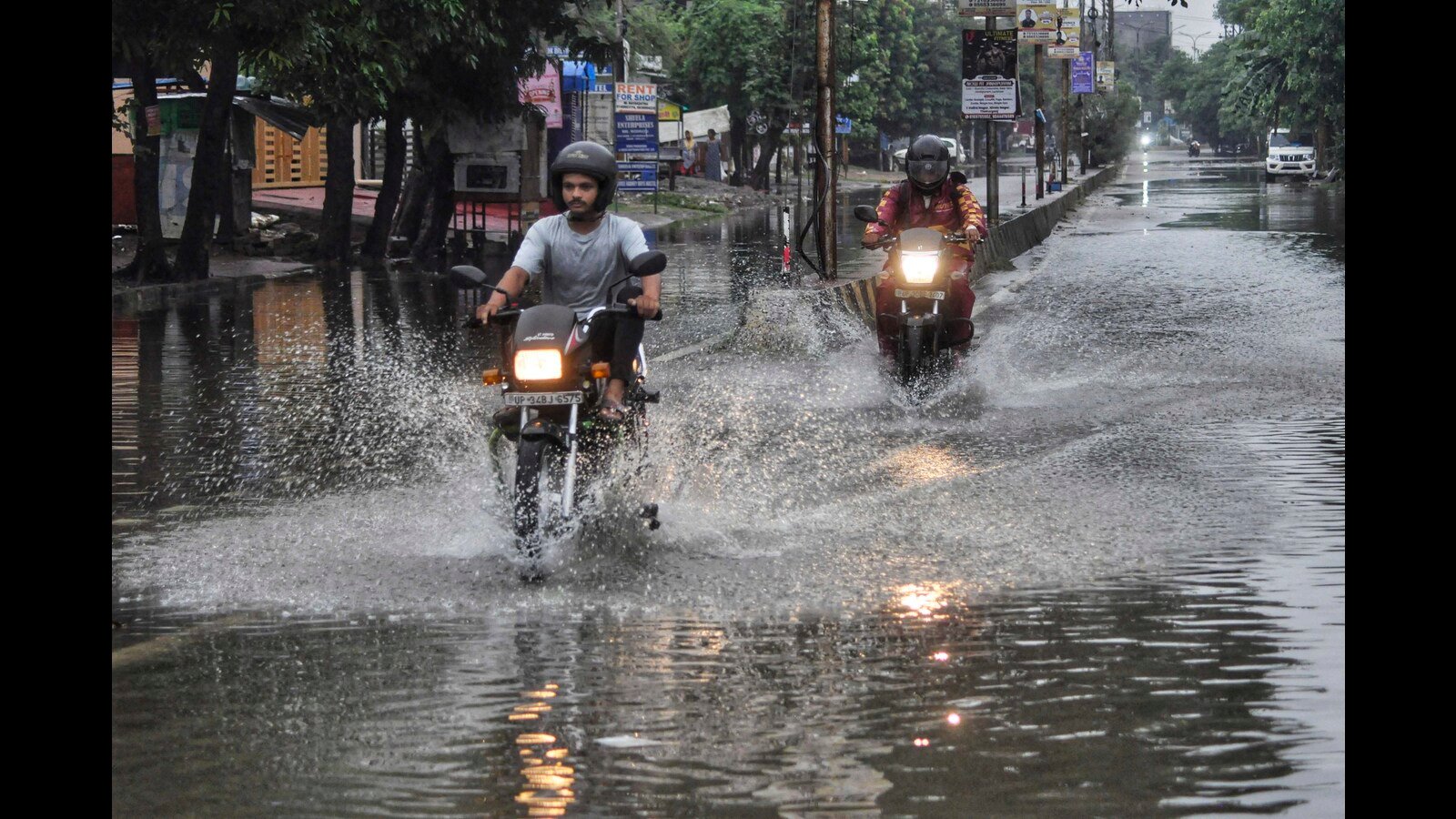
The National Highway waterlogging relief initiative gained momentum after Chief Whip Kalyani Saha Roy convened an urgent municipal coordination meeting to address severe monsoon-related flooding along the National Highway construction stretch from Ichharbil to Korailong Choumuhani. The meeting focused on identifying immediate solutions, improving drainage systems, and ensuring smoother movement for commuters during the rainy season.
BSF Chief Reviews Border Security
Light House Buyers Protest Delays
Authorities Act on Highway Waterlogging Concerns
Chief Whip Kalyani Saha Roy has taken immediate steps to address severe waterlogging problems affecting the National Highway construction corridor from Ichharbil to Korailong Choumuhani. To tackle the issue, she chaired an urgent municipal coordination meeting involving relevant departments and local authorities.
Moreover, the meeting aimed to identify practical solutions for recurring flooding that has disrupted transportation and daily activities during the monsoon season. As rainfall continues across the region, authorities have increased their focus on ensuring public convenience and road safety.
Consequently, officials have begun evaluating measures that can provide both immediate relief and long-term solutions.
Monsoon Rains Intensify Waterlogging Problems
Heavy monsoon rainfall often creates challenges in areas undergoing major infrastructure construction. In this case, water accumulation along the highway stretch has affected vehicle movement and raised concerns among residents and commuters.
Furthermore, stagnant water can damage road infrastructure, slow construction progress, and increase travel difficulties. Therefore, local authorities have prioritized the issue to prevent further disruption.
As a result, the coordination meeting focused on reducing the impact of seasonal flooding on public transportation and nearby communities.
Coordination Meeting Focuses on Immediate Solutions
The emergency meeting brought together municipal officials and other stakeholders responsible for infrastructure management. During the discussions, participants reviewed the causes of waterlogging and explored possible corrective measures.
Additionally, officials examined drainage conditions and identified areas that require urgent intervention. By coordinating efforts across departments, authorities hope to speed up implementation and improve overall effectiveness.
Consequently, the meeting established a framework for quicker action and better resource management.
Importance of Effective Drainage Systems
Drainage infrastructure plays a crucial role in preventing water accumulation during periods of heavy rainfall. Without proper drainage, roads can become flooded, creating inconvenience and safety risks for commuters.
Therefore, officials have emphasized the need to improve drainage networks along the affected highway stretch. Furthermore, well-maintained drainage systems can reduce long-term maintenance costs and support smoother traffic flow.
As a result, drainage enhancement remains a key component of the proposed relief measures.
Impact on Daily Commuters
Waterlogging along major transportation corridors can significantly affect daily travel. Motorists often experience delays, reduced visibility, and difficult driving conditions during periods of heavy flooding.
Moreover, residents living near affected areas may face additional challenges related to accessibility and mobility. Therefore, authorities recognize the importance of resolving the issue quickly.
Consequently, the relief initiative aims to improve road usability and minimize disruptions during the monsoon season.
Highway Construction and Seasonal Challenges
Large-scale highway construction projects frequently encounter weather-related obstacles. Monsoon rainfall can complicate construction activities and increase the risk of water accumulation in unfinished sections.
Additionally, ongoing infrastructure work may temporarily alter natural drainage patterns. Therefore, project planners and municipal authorities must work together to address emerging challenges effectively.
As a result, coordinated action becomes essential for maintaining progress while protecting public convenience.
Strengthening Municipal Coordination
The urgent meeting highlighted the importance of cooperation among different government departments. Effective coordination allows authorities to respond quickly to infrastructure challenges and implement practical solutions.
Furthermore, collaborative planning helps avoid duplication of efforts and ensures efficient use of available resources. By bringing stakeholders together, officials can develop comprehensive strategies for addressing waterlogging concerns.
Consequently, stronger coordination supports faster problem-solving and improved public service delivery.
Public Safety Remains a Priority
Ensuring public safety remains one of the primary objectives behind the relief measures. Flooded roads can increase accident risks and create hazardous conditions for pedestrians and motorists.
Therefore, authorities have emphasized proactive action to minimize safety concerns. Additionally, preventive measures can help maintain smooth transportation and reduce emergency response requirements.
As a result, public safety considerations continue to guide decision-making throughout the process.
Long-Term Infrastructure Improvements
While immediate relief measures remain important, authorities also recognize the need for long-term solutions. Sustainable drainage systems and improved infrastructure planning can reduce the likelihood of recurring waterlogging problems.
Moreover, long-term investments can strengthen the resilience of transportation networks against future weather-related challenges. Therefore, officials may consider additional infrastructure upgrades as part of broader development efforts.
Consequently, the current initiative could pave the way for more durable improvements in the affected area.
Looking Ahead
Following the coordination meeting, authorities are expected to monitor conditions closely and implement necessary measures to address waterlogging. Continued cooperation among departments will remain essential as the monsoon season progresses.
Furthermore, regular assessments can help identify additional areas that require intervention. By maintaining a proactive approach, officials aim to improve road conditions and ensure smoother travel for the public.
As a result, residents and commuters can expect ongoing efforts to reduce the impact of monsoon-related flooding.
Conclusion
Chief Whip Kalyani Saha Roy’s decision to convene an urgent municipal coordination meeting reflects the seriousness of the waterlogging challenges along the National Highway construction stretch from Ichharbil to Korailong Choumuhani. Through coordinated action, improved drainage planning, and focused infrastructure management, authorities aim to provide relief to commuters and nearby residents.
As implementation moves forward, the initiative is expected to improve road conditions, enhance public safety, and support smoother transportation throughout the monsoon season.
FAQs
Why was the coordination meeting held?
The meeting addressed severe monsoon waterlogging along the National Highway construction stretch between Ichharbil and Korailong Choumuhani.
Who chaired the meeting?
Chief Whip Kalyani Saha Roy chaired the urgent municipal coordination meeting.
What is the main objective of the relief initiative?
The initiative aims to reduce waterlogging, improve drainage, and ensure smoother movement for commuters.
How does waterlogging affect the highway?
Waterlogging disrupts traffic, creates safety concerns, and can damage road infrastructure.
What solutions are being considered?
Authorities are focusing on drainage improvements, coordinated municipal action, and long-term infrastructure planning.