


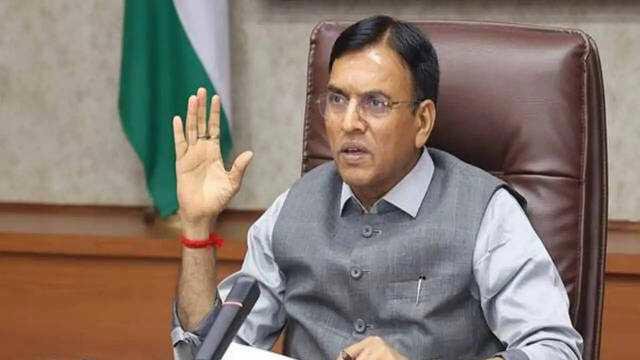
India’s Sports Minister has unveiled an ambitious plan aimed at strengthening the country’s Olympic talent development system and preparing a larger pool of athletes for success on the world stage. The proposed approach focuses on identifying sporting talent at an early age, providing scientific training and creating a stronger support system for athletes as they progress towards elite competition.
The plan reflects India’s growing ambition to establish itself as a major sporting nation and improve its performance at future Olympic Games. While Indian athletes have delivered several memorable performances in recent editions of the Olympics, the government now appears to be focusing on building a deeper and more sustainable pipeline of talent.
The Sports Minister emphasised the importance of long-term planning instead of concentrating only on athletes who are already competing at the highest level. The new approach seeks to identify promising athletes from different parts of the country and provide them with the coaching, infrastructure and financial support required to develop their potential.
Read More: Himanta Directs Atul Bora to Coordinate With Meghalaya Over Shillong Violence
The initiative could play an important role in shaping India’s sporting future, particularly as the country continues to invest in sports infrastructure and athlete development programmes.
Focus on Early Identification of Sporting Talent
A major part of the proposed Olympic talent development plan involves identifying promising athletes at an early stage.
India has a vast population and a large number of young people with sporting potential. However, many talented athletes may not receive proper opportunities because they lack access to professional coaching, modern facilities or financial support.
The government’s approach aims to address this gap by creating stronger systems for talent identification. Schools, colleges, local sports bodies and training centres could play an important role in discovering young athletes who have the ability to compete at higher levels.
Early identification can give athletes more time to develop their physical and technical skills. Instead of beginning professional training only after achieving success at the state or national level, promising players can receive structured guidance from a younger age.
This approach can also help India create a larger pool of athletes across different Olympic sports.
Building a Stronger Olympic Talent Pipeline
The Sports Minister’s plan focuses on developing a continuous pipeline of athletes rather than depending on a small group of established competitors.
Olympic success requires years of preparation. Athletes need consistent training, international exposure and access to qualified coaches. They also require support in areas such as nutrition, sports science and injury management.
A stronger talent pipeline can ensure that new athletes continue to emerge as experienced competitors retire or move away from international competition.
The proposed system could also help the government track the progress of promising athletes over several years. Regular monitoring would allow coaches and sports authorities to understand an athlete’s strengths and identify areas that require improvement.
This long-term approach could help India prepare more effectively for future Olympic competitions.
Importance of Modern Sports Infrastructure
Sports infrastructure will remain a key part of the Olympic talent development programme.
Athletes need access to proper training facilities if they are expected to compete with the best players in the world. Modern stadiums, specialised training centres and high-quality equipment can help athletes improve their performance.
However, infrastructure must also reach young athletes outside major cities.
Many talented sportspersons come from small towns and rural areas. They may face difficulties in travelling to major training centres or accessing professional facilities.
The government’s broader sports development efforts could therefore focus on improving facilities across different regions.
A stronger network of training centres can help talented athletes receive opportunities closer to their homes. Those who show exceptional potential can then move to specialised academies for advanced training.
Greater Role for Sports Science and Technology
Modern Olympic competition depends heavily on sports science and technology.
Athletes need more than physical training to perform at the highest level. They require expert support in nutrition, physiotherapy, psychology and injury prevention.
The new plan is expected to place greater importance on these areas as India seeks to improve its overall sporting ecosystem.
Sports science can help coaches understand an athlete’s physical condition and training requirements. It can also reduce the risk of injuries and improve recovery.
Technology can support performance analysis by helping coaches study movement, technique and competition data.
Athletes can use this information to understand their strengths and weaknesses.
A scientific approach can make training more efficient and help Indian athletes prepare for the intense demands of international competition.
Better Support for Athletes and Coaches
The success of any Olympic talent development programme will depend on the support available to athletes throughout their careers.
Many young sportspersons face financial difficulties while pursuing professional training. Travel costs, equipment and specialised coaching can place a heavy burden on athletes and their families.
Government support can help reduce these challenges.
Scholarships, training assistance and financial aid can allow talented athletes to focus more fully on their sporting careers.
Coaches will also play an important role in the programme. A strong athlete development system requires experienced coaches who understand modern training methods.
India may need to continue investing in coach education and international exposure. Better-trained coaches can help young athletes develop the skills and discipline needed for elite competition.
Expanding India’s Presence Across Olympic Sports
India has traditionally achieved success in a limited number of Olympic disciplines. However, the country has the potential to develop competitive athletes across a much wider range of sports.
The new plan could focus on identifying disciplines where India has strong potential for future growth.
Different regions of the country may also have strengths in different sports. Local traditions, physical conditions and existing sporting culture can help authorities identify areas where athletes may have a natural advantage.
A wider talent development programme can encourage young people to participate in sports beyond the most popular disciplines.
This could increase India’s chances of producing world-class athletes in athletics, combat sports, shooting, archery, swimming and several other Olympic events.
The larger the talent pool becomes, the greater the possibility of finding athletes capable of competing at the highest level.
Preparing Athletes for International Competition
Domestic success does not always guarantee strong performance at the Olympics.
Athletes need experience of competing against the world’s best players. International exposure can help them understand different styles of competition and prepare for high-pressure situations.
The Sports Minister’s broader vision for Olympic development is likely to include greater opportunities for athletes to participate in international events.
Competing abroad can help young athletes gain confidence and experience.
It also allows coaches to assess how Indian athletes compare with their international rivals.
Regular exposure to high-level competition can prepare athletes for the pressure of major tournaments, including world championships and the Olympic Games.
Creating a Long-Term Sporting Culture
The ambitious plan is not only about winning medals at one Olympic Games. Its larger aim appears to be the creation of a sustainable sporting culture.
India needs a system that continues to identify and develop athletes over many years.
A long-term approach can help ensure that sporting success does not depend on individual talent alone.
Schools and educational institutions can play an important role in this effort. Greater participation in sports can help identify young athletes while also promoting fitness and discipline.
Parents and communities also need to support young people who want to pursue sports professionally.
A stronger sporting culture can encourage more children to participate and create a larger base from which future champions can emerge.
Challenges Before the Ambitious Plan
Despite its potential, the Olympic talent development plan will face several challenges.
The government will need to ensure that talented athletes from every region receive fair opportunities.
The programme must also maintain transparency while selecting athletes for specialised support.
Funding will remain another important issue. Developing Olympic-level athletes requires long-term investment, and support must continue even when athletes face setbacks or injuries.
Coordination between the central government, state governments, sports federations and training institutions will also be essential.
The programme can succeed only if these different bodies work towards a common goal.
Regular evaluation will be equally important. Authorities will need to examine whether athletes are progressing and whether the support system is delivering results.
A Major Step Towards India’s Olympic Future
India’s Sports Minister has presented an ambitious vision for strengthening the country’s Olympic talent development system.
The plan focuses on discovering talented young athletes, providing them with scientific training and ensuring that they receive proper coaching and financial support.
It also recognises the importance of modern infrastructure, sports science and international exposure.
The long-term success of the initiative will depend on effective implementation. Identifying talent is only the first step. Athletes must receive continuous support as they move from local competitions to national and international stages.
If the proposed system successfully creates a strong and sustainable pipeline of athletes, it could transform India’s approach to Olympic preparation.
The country has already shown that Indian athletes can compete successfully against the world’s best. The next challenge is to build a system that consistently produces such athletes.
With long-term planning, better infrastructure and strong institutional support, India’s Olympic ambitions could enter a new phase. The Sports Minister’s plan signals a clear intention to invest in the country’s young talent and prepare the next generation of athletes for success on the biggest stage in world sport.
Read More: Meghalaya HC Directs Prompt Action Against Those Behind Shillong Rally Violence