


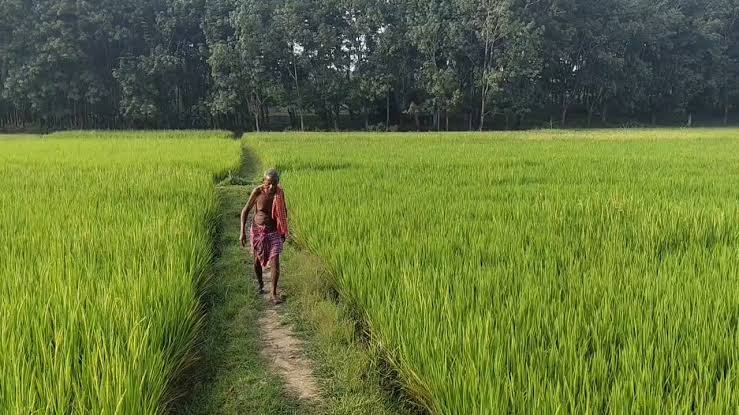
The Jolaibari paddy crop damage problem has become a growing concern for farmers in Bamcherra village under Jolaibari Assembly constituency in South Tripura’s Santirbazar subdivision. Farmers say repeated monkey raids are damaging their mature paddy crops and threatening the harvest they depend on for their livelihoods. Despite putting months of work into cultivation, many farmers struggle to protect their grain until harvesting begins. The affected cultivators have urged the Forest Department to intervene and introduce effective measures to address the recurring problem.
Infrastructure Expansion Fast-Tracked Across Border Connectivity Projects in Unakoti
Jolaibari Paddy Crop Damage Threatens Rural Livelihoods
Agriculture remains a major source of livelihood for many families in the Jolaibari constituency. Farmers depend on seasonal cultivation to support their households, recover production costs and secure food supplies. However, the growing monkey menace has made it increasingly difficult for cultivators in Bamcherra to protect their paddy fields.
According to local farmers, monkeys enter agricultural fields during the paddy-growing season and damage crops repeatedly. The problem becomes particularly serious when grains begin to emerge from the stalks and continues until the paddy ripens.
This timing creates difficulties for cultivators because the crop represents months of investment and labour. Farmers must prepare their land, plant the crop and maintain the fields before they can harvest the grain. Repeated attacks during the final stages can undermine those efforts.
The farmers say they sometimes achieve a satisfactory yield, yet struggle to bring the entire harvest home because monkeys continue to raid their fields. Consequently, the damage affects not only the quantity of grain they can collect but also the financial return from cultivation.
For small farming households, losing part of a mature crop can create additional pressure. Cultivators may have already spent money on seeds, fertilisers, labour and other agricultural needs. Any reduction in the final harvest can make it harder to recover these expenses.
The situation has also raised concerns about the future of farming in the affected area. Farmers fear that continued crop losses could make paddy cultivation increasingly difficult to sustain. They want the authorities to address the problem before further damage affects their seasonal production.
Farmers Seek Urgent Action From Forest Department
The affected cultivators have called on Forest Department officials in the Bogafa area to take appropriate steps to address the monkey menace. They say the problem has continued despite bringing their concerns to the attention of local public representatives.
According to the farmers, they have yet to see an effective response that resolves their difficulties. Their appeal reflects growing frustration among residents who want to protect their crops without facing recurring losses every season.
The farmers believe that timely intervention is necessary because their mature paddy crops remain vulnerable until harvesting and collection finish. Delays in addressing the issue could leave cultivators struggling to protect their fields during a crucial period of the agricultural calendar.
However, the available reports do not identify any specific control programme that the Forest Department has approved for Bamcherra. They also do not confirm whether officials have announced a formal response to the latest complaints.
The Forest Department’s involvement could help authorities assess the scale of the problem and consider suitable measures. Such an assessment would need to consider local conditions, the movement of monkeys and the concerns of farming households.
Cooperation between forest officials, agricultural authorities and village representatives may also help establish where crop damage occurs most frequently. Clear communication would allow affected farmers to report recurring incidents and understand which department can address their concerns.
For the cultivators, the immediate priority remains protecting their paddy until they can harvest it. They want the administration to recognise the financial pressure caused by repeated crop damage and respond with measures suited to the area’s circumstances.
Monkey Raids Raise Concerns About Paddy Production
The reported damage in Bamcherra has prompted broader concerns about the sustainability of agriculture in the affected villages. Farmers warn that if they continue to lose crops despite achieving good yields, some may eventually consider abandoning paddy cultivation.
Such a decision could affect household income and local agricultural activity. Paddy cultivation requires time, labour and financial investment, so repeated losses can weaken farmers’ willingness to continue planting the crop.
The consequences may extend beyond individual households. Farmers fear that a decline in local grain production could increase dependence on supplies brought in from outside the area. They also warn that additional transport and supply costs could put pressure on consumers.
These outcomes remain concerns raised by the farmers rather than confirmed forecasts. The actual effect on local production would depend on the extent of crop damage, the number of affected cultivators and whether the problem continues in future seasons.
Nevertheless, the issue highlights the challenges farmers face when wildlife repeatedly enters cultivated land. Cultivators must protect their crops while also responding to environmental conditions and other agricultural risks.
The timing of the attacks makes the problem especially difficult. When paddy begins to ripen, farmers approach the stage at which they expect to collect the results of their work. Damage at this point can reduce the harvest even after months of cultivation have gone well.
Farmers in Bamcherra therefore want the authorities to treat crop protection as an important rural livelihood concern. They believe effective action could help reduce losses and encourage households to continue cultivating their land.
Long-Term Solutions Needed for Crop Protection
Addressing the monkey menace requires an understanding of the conditions that bring animals into agricultural fields. Authorities would first need to assess the affected locations, the extent of crop damage and the pattern of monkey movement around the villages.
The Forest Department could work with local representatives to document farmers’ complaints and identify areas that experience repeated raids. Agricultural officials could also help assess the damage to paddy and understand how the losses affect cultivation.
Any response should follow appropriate wildlife rules and avoid unnecessary harm to animals or people. A coordinated approach could help authorities consider suitable preventive measures while recognising the livelihood concerns of local farmers.
Public communication also matters. Farmers need clear information about where to report crop damage, which authorities handle their complaints and whether any support or preventive programme is available.
In addition, officials could consult affected cultivators to understand the difficulties they face during the growing and harvesting periods. Their experience may help authorities identify recurring problems and assess which measures could work under local conditions.
At present, the reported concerns from Bamcherra point to a need for effective intervention rather than confirming that a particular solution has already been introduced. The authorities have yet to establish, in the available reporting, a detailed plan with specific measures and implementation dates.
For farmers, the immediate goal is straightforward: protect their mature paddy, reduce recurring losses and secure the harvest after months of work. A timely assessment and clear response from the relevant authorities could help address those concerns and support the continuation of farming in the area.
Conclusion
The Jolaibari paddy crop damage issue has created growing difficulties for farmers in Bamcherra under South Tripura’s Santirbazar subdivision. Cultivators say monkeys damage their crops from the grain-forming stage until the paddy ripens. As a result, farmers struggle to protect their harvest even when the fields produce a satisfactory yield.
The affected cultivators have urged the Forest Department’s Bogafa authorities to take effective action. They also say they have raised the issue with local public representatives but remain concerned about the lack of a lasting solution. Farmers warn that repeated losses could discourage paddy cultivation and affect agricultural activity in the area.
The next step requires authorities to assess the problem and communicate clearly with the affected communities. A coordinated response could help identify suitable crop-protection measures while respecting wildlife rules. For Bamcherra’s farmers, timely action is important to protect their harvest, support household livelihoods and maintain confidence in seasonal cultivation.
FAQs
1. Where are farmers facing the monkey menace in South Tripura?
Farmers in Bamcherra, under Jolaibari Assembly constituency in Santirbazar subdivision of South Tripura, have reported repeated monkey attacks on their paddy crops.
2. How are monkeys damaging paddy crops in Jolaibari?
Farmers say monkeys enter their fields when paddy grains begin to form and continue damaging crops until the grain ripens, making it difficult to protect the harvest.
3. Which department have farmers approached for help?
The affected cultivators have urged the Forest Department’s Bogafa authorities to take appropriate measures to address the recurring problem.
4. Why are farmers worried about the monkey menace?
Farmers fear that repeated crop losses could reduce their income, make cultivation harder to sustain and eventually force some households to abandon paddy farming.
5. Has the Forest Department announced a solution for the affected farmers?
The available reports do not confirm a specific approved programme or a formal timeline for resolving the problem. Farmers are seeking effective intervention from the relevant authorities.