


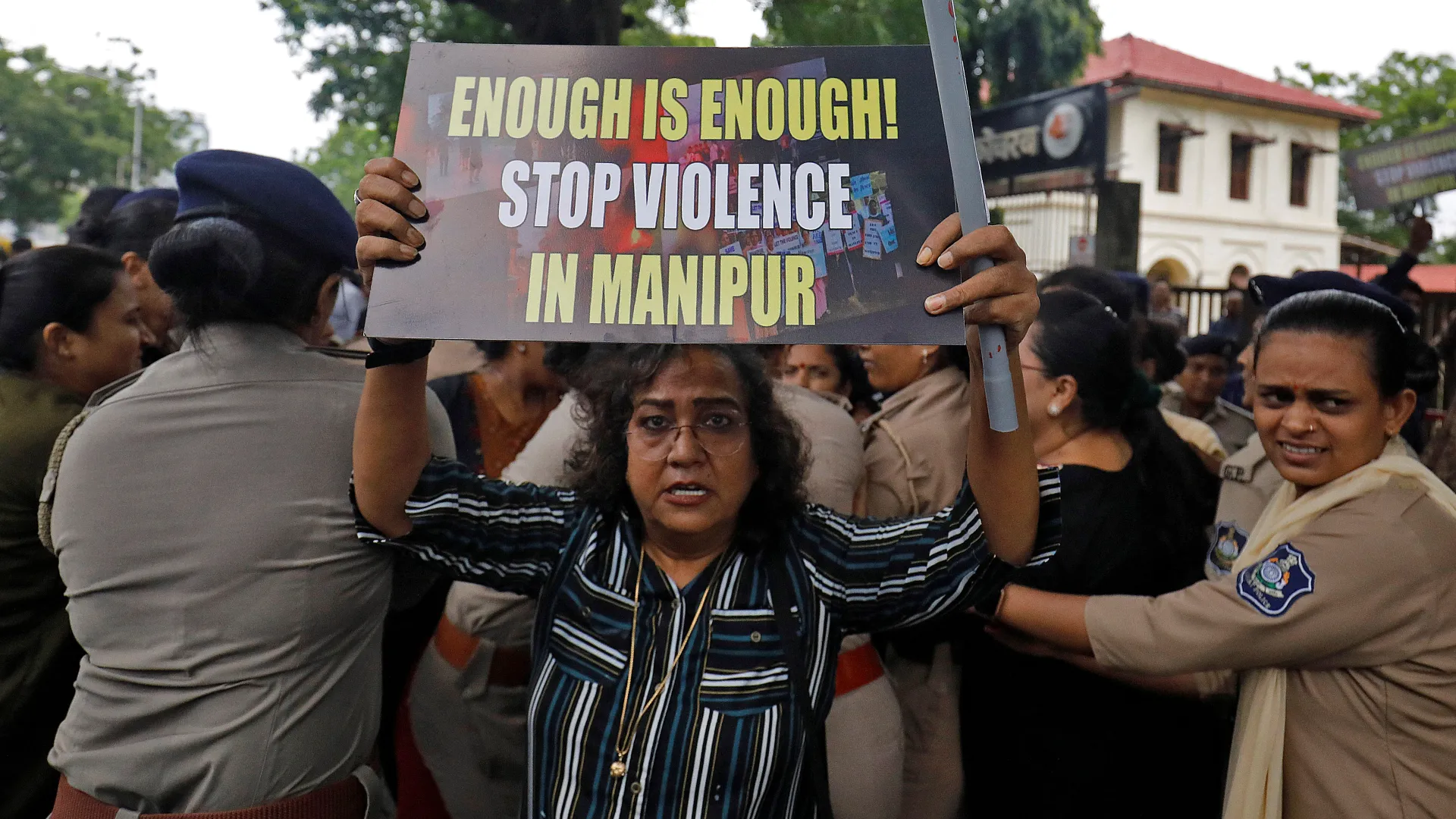
Kuki hostage release cancelled plans have intensified tensions after a proposed release of 14 Kuki detainees by the Naga Village Guard was called off at the last moment. The abrupt decision followed widespread public opposition and protests organized by Naga groups, which raised concerns about the circumstances surrounding the proposed release. The development has drawn significant attention from community leaders, local residents, and security authorities, who continue to monitor the situation closely. Meanwhile, stakeholders have urged restraint and peaceful engagement to prevent further escalation in already sensitive areas.
Mizoram SASCI seeks ₹650 crore investment aid
Nagaland appoints six assembly advisers
Planned Release Halted Following Public Opposition
The Kuki hostage release cancelled decision emerged after strong objections from sections of the Naga community. According to reports, the Naga Village Guard had initially prepared to release 14 detainees; however, protests and public demonstrations prompted organizers to reconsider the move.
Community members voiced concerns regarding the timing and conditions of the proposed release. Moreover, protest groups argued that unresolved issues required further discussion before authorities or local organizations proceeded with any decision. As public pressure increased, organizers halted the planned release and announced that further consultations would take place.
Consequently, the sudden reversal created uncertainty among affected families and communities awaiting developments.
Protests by Naga Groups Influence Decision
The Kuki hostage release cancelled announcement came shortly after Naga organizations mobilized opposition to the proposed release. Community leaders and demonstrators expressed their concerns through public gatherings and appeals to local authorities.
Furthermore, protest organizers emphasized the need to address broader community issues before moving forward with decisions involving detainees. They argued that community consensus remains important in sensitive situations that could affect local peace and stability.
As a result, the protests played a significant role in shaping the final outcome. Observers noted that public sentiment became a major factor in the decision-making process.
Impact on Community Relations
The Kuki hostage release cancelled development has raised concerns about relations between different communities in the region. Community representatives from various groups continue to express differing views on how such matters should be handled.
Meanwhile, local leaders have called for dialogue and mutual understanding to reduce tensions. Many stakeholders believe that constructive engagement remains essential for preventing misunderstandings and maintaining social harmony.
In addition, civil society organizations have encouraged all parties to avoid inflammatory rhetoric and focus on peaceful solutions. They stress that sustained communication can help build trust and prevent further divisions.
Authorities Monitor Situation Closely
Authorities continue to monitor developments following the cancellation. The Kuki hostage release cancelled decision has prompted security agencies and administrative officials to remain vigilant as they assess potential impacts on public order.
Moreover, officials have urged residents to maintain calm and refrain from actions that could aggravate tensions. Security personnel continue coordinating with local leaders to ensure stability and prevent any escalation of conflict.
Observers note that continued dialogue among community groups, local administrations, and security agencies will remain crucial in managing the situation effectively.
Conclusion
The Kuki hostage release cancelled decision, which halted the planned release of 14 detainees following widespread opposition and protests by Naga groups, has added a new layer of complexity to an already sensitive situation. While the cancellation reflects the influence of public sentiment and community concerns, it also underscores the importance of dialogue and consensus-building. Furthermore, authorities and community leaders continue to focus on maintaining peace, preventing escalation, and encouraging constructive engagement among all stakeholders.
FAQs
1. Why was the planned release of the detainees cancelled?
The release was cancelled after widespread public opposition and protests from Naga groups.
2. How many detainees were expected to be released?
The proposed plan involved the release of 14 Kuki detainees.
3. What does the Kuki hostage release cancelled development indicate?
The Kuki hostage release cancelled development highlights how community opposition and public sentiment can influence sensitive local decisions.
4. Who opposed the planned release?
Several Naga groups and community members reportedly opposed the release and organized protests.
5. How are authorities responding to the situation?
Authorities are monitoring developments, coordinating with local leaders, and maintaining security measures.
6. What steps could help reduce tensions?
Dialogue, community engagement, and peaceful communication among stakeholders can help address concerns and promote stability.