
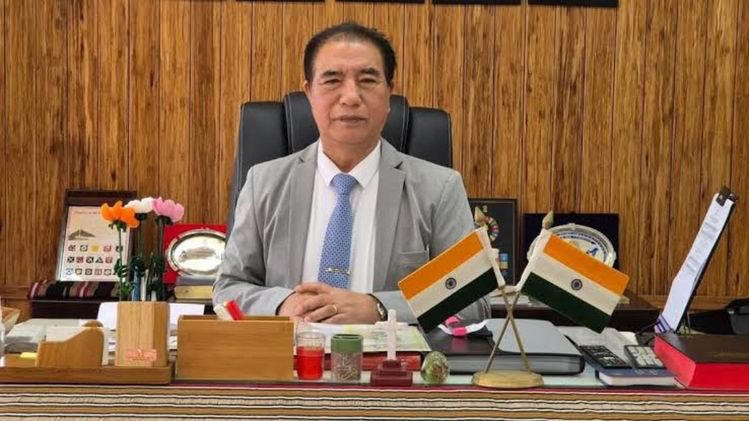
Learn Hindi Without Losing Mizo Identity: Mizoram CM Lalduhoma

0
Mizoram Chief Minister Lalduhoma has encouraged people in the state to learn Hindi. However, he also stressed the need to protect Mizo language and culture. His remarks have started a wider conversation about language, identity and communication in Mizoram. Lalduhoma believes that learning Hindi can help people communicate with others across India. It can also create new opportunities for students and young professionals. At the same time, he does not see Hindi as a replacement for Mizo. His message centres on a simple idea. People can learn another language without giving up their mother tongue. The Chief Minister’s comments also highlight India’s rich linguistic diversity. Every region has its own languages, traditions and cultural expressions. A multilingual approach can help people connect with one another while preserving these differences. Learning Hindi Does Not Mean Giving Up Mizo Language forms an important part of cultural identity. It carries a community’s history, stories and traditions from one generation to another. In Mizoram, the Mizo language holds a special place in everyday life. For this reason, many people view language preservation as an important cultural responsibility. Lalduhoma’s message suggests that people do not need to choose between Hindi and Mizo. A person can speak Mizo with family and friends. They can use English in education or professional settings. They can also learn Hindi to communicate with people from other parts of India. This approach treats Hindi as an additional skill. It does not treat Hindi as a substitute for Mizo. Such an approach can also benefit young people. They can gain wider communication skills while remaining connected to their cultural roots. Hindi Can Help Mizoram Connect With Other States India has hundreds of languages and dialects. People often face language barriers when they travel, study or work outside their home states. Hindi can help reduce some of these barriers. People speak Hindi widely across northern, central and western parts of India. Many people also understand it as a second or third language. For students from Mizoram, Hindi can prove useful during higher education. It can also help those who seek employment outside the Northeast. Young people may interact with colleagues from different states. They may travel for work or take part in national-level programmes. Hindi can make some of these interactions easier. However, better communication does not require cultural assimilation. People can communicate across linguistic boundaries while maintaining their own traditions. Protecting the Mizo Language Remains Important Learning Hindi can bring benefits, but Mizo must continue to hold an important place in Mizoram. Families, schools and communities can all support this goal. Parents can encourage children to speak Mizo at home. Schools can continue to support Mizo reading and writing. Writers, musicians and artists can create more content in the language. Technology can also help protect the language. Young people now consume much of their content online. Mizo-language videos, books, songs and educational materials can reach them through digital platforms. Social media can further strengthen the presence of Mizo among younger audiences. Creators can use the language in videos, posts and other forms of online communication. These efforts can help keep the language active in everyday life. Multilingualism Can Create More Opportunities Knowing several languages can give young people greater flexibility. It can help them communicate with different communities and adapt to new environments. For Mizoram’s youth, multilingualism can offer both cultural and practical benefits. A student can maintain strong Mizo language skills while learning Hindi and English. Each language can serve a different purpose. Mizo can strengthen community and cultural connections. Hindi can support communication across many parts of India. English can remain useful for higher education, technology and international communication. This combination can give young people more choices without forcing them to abandon their identity. Language Learning and Identity Can Coexist Some people worry that learning a dominant language could weaken a regional language. That concern becomes stronger when younger generations use the dominant language more often than their mother tongue. However, learning Hindi does not automatically lead to the loss of Mizo. The outcome depends on how families, schools and society approach language use. If people continue to speak Mizo at home, read Mizo literature and celebrate Mizo culture, they can maintain a strong connection with their heritage. At the same time, learning Hindi can expand their ability to communicate outside the state. This balance can help people embrace new opportunities without losing their cultural foundation. Mizoram Can Balance National Communication and Local Culture Lalduhoma’s remarks also raise a broader question about India’s approach to languages. The country brings together communities with very different linguistic traditions. National communication can help strengthen connections between these communities. Regional languages, meanwhile, preserve local history and cultural identity. Both goals can exist together. Mizoram can encourage young people to learn Hindi while continuing to promote Mizo. Schools can teach multiple languages without reducing the importance of the mother tongue. This approach can also help students understand India’s diversity. Learning another language can introduce them to new people and cultures. Maintaining their own language can remind them of their own heritage. A Message for Mizoram’s Younger Generation Lalduhoma’s message offers a practical approach to language learning. Young people do not have to see Hindi and Mizo as competing choices. They can learn Hindi for wider communication. They can continue speaking Mizo at home and within their communities. They can also use English when their education or career requires it. The goal should remain balance. Learning a new language should add to a person’s abilities. It should not take away their connection to their roots. For Mizoram, this balance can help the younger generation participate more confidently in the wider country. At the same time, they can continue to carry the Mizo language and culture forward. Ultimately, learning Hindi without losing Mizo identity is possible. Language can build bridges between communities while culture keeps people connected to their roots. Mizoram can embrace both ideas and show that wider communication and cultural preservation can move forward together.
Ads

Mizoram Chief Minister Lalduhoma has encouraged people in the state to learn Hindi. However, he also stressed the need to protect Mizo language and culture. His remarks have started a wider conversation about language, identity and communication in Mizoram.

Lalduhoma believes that learning Hindi can help people communicate with others across India. It can also create new opportunities for students and young professionals. At the same time, he does not see Hindi as a replacement for Mizo.

His message centres on a simple idea. People can learn another language without giving up their mother tongue.

The Chief Minister’s comments also highlight India’s rich linguistic diversity. Every region has its own languages, traditions and cultural expressions. A multilingual approach can help people connect with one another while preserving these differences.

Read More: Manipur All-Party Meet Backs NRC Update to Protect Indigenous Identity

Learning Hindi Does Not Mean Giving Up Mizo

Language forms an important part of cultural identity. It carries a community’s history, stories and traditions from one generation to another. In Mizoram, the Mizo language holds a special place in everyday life.

For this reason, many people view language preservation as an important cultural responsibility. Lalduhoma’s message suggests that people do not need to choose between Hindi and Mizo.

A person can speak Mizo with family and friends. They can use English in education or professional settings. They can also learn Hindi to communicate with people from other parts of India.

This approach treats Hindi as an additional skill. It does not treat Hindi as a substitute for Mizo.

Such an approach can also benefit young people. They can gain wider communication skills while remaining connected to their cultural roots.

Hindi Can Help Mizoram Connect With Other States

India has hundreds of languages and dialects. People often face language barriers when they travel, study or work outside their home states.

Hindi can help reduce some of these barriers. People speak Hindi widely across northern, central and western parts of India. Many people also understand it as a second or third language.

For students from Mizoram, Hindi can prove useful during higher education. It can also help those who seek employment outside the Northeast.

Young people may interact with colleagues from different states. They may travel for work or take part in national-level programmes. Hindi can make some of these interactions easier.

However, better communication does not require cultural assimilation. People can communicate across linguistic boundaries while maintaining their own traditions.

Protecting the Mizo Language Remains Important

Learning Hindi can bring benefits, but Mizo must continue to hold an important place in Mizoram. Families, schools and communities can all support this goal.

Parents can encourage children to speak Mizo at home. Schools can continue to support Mizo reading and writing. Writers, musicians and artists can create more content in the language.

Technology can also help protect the language. Young people now consume much of their content online. Mizo-language videos, books, songs and educational materials can reach them through digital platforms.

Social media can further strengthen the presence of Mizo among younger audiences. Creators can use the language in videos, posts and other forms of online communication.

These efforts can help keep the language active in everyday life.

Multilingualism Can Create More Opportunities

Knowing several languages can give young people greater flexibility. It can help them communicate with different communities and adapt to new environments.

For Mizoram’s youth, multilingualism can offer both cultural and practical benefits. A student can maintain strong Mizo language skills while learning Hindi and English.

Each language can serve a different purpose. Mizo can strengthen community and cultural connections. Hindi can support communication across many parts of India. English can remain useful for higher education, technology and international communication.

This combination can give young people more choices without forcing them to abandon their identity.

Language Learning and Identity Can Coexist

Some people worry that learning a dominant language could weaken a regional language. That concern becomes stronger when younger generations use the dominant language more often than their mother tongue.

However, learning Hindi does not automatically lead to the loss of Mizo. The outcome depends on how families, schools and society approach language use.

If people continue to speak Mizo at home, read Mizo literature and celebrate Mizo culture, they can maintain a strong connection with their heritage.

At the same time, learning Hindi can expand their ability to communicate outside the state.

This balance can help people embrace new opportunities without losing their cultural foundation.

Mizoram Can Balance National Communication and Local Culture

Lalduhoma’s remarks also raise a broader question about India’s approach to languages. The country brings together communities with very different linguistic traditions.

National communication can help strengthen connections between these communities. Regional languages, meanwhile, preserve local history and cultural identity.

Both goals can exist together.

Mizoram can encourage young people to learn Hindi while continuing to promote Mizo. Schools can teach multiple languages without reducing the importance of the mother tongue.

This approach can also help students understand India’s diversity. Learning another language can introduce them to new people and cultures. Maintaining their own language can remind them of their own heritage.

A Message for Mizoram’s Younger Generation

Lalduhoma’s message offers a practical approach to language learning. Young people do not have to see Hindi and Mizo as competing choices.

They can learn Hindi for wider communication. They can continue speaking Mizo at home and within their communities. They can also use English when their education or career requires it.

The goal should remain balance.

Learning a new language should add to a person’s abilities. It should not take away their connection to their roots.

For Mizoram, this balance can help the younger generation participate more confidently in the wider country. At the same time, they can continue to carry the Mizo language and culture forward.

Ultimately, learning Hindi without losing Mizo identity is possible. Language can build bridges between communities while culture keeps people connected to their roots. Mizoram can embrace both ideas and show that wider communication and cultural preservation can move forward together.

Ads