


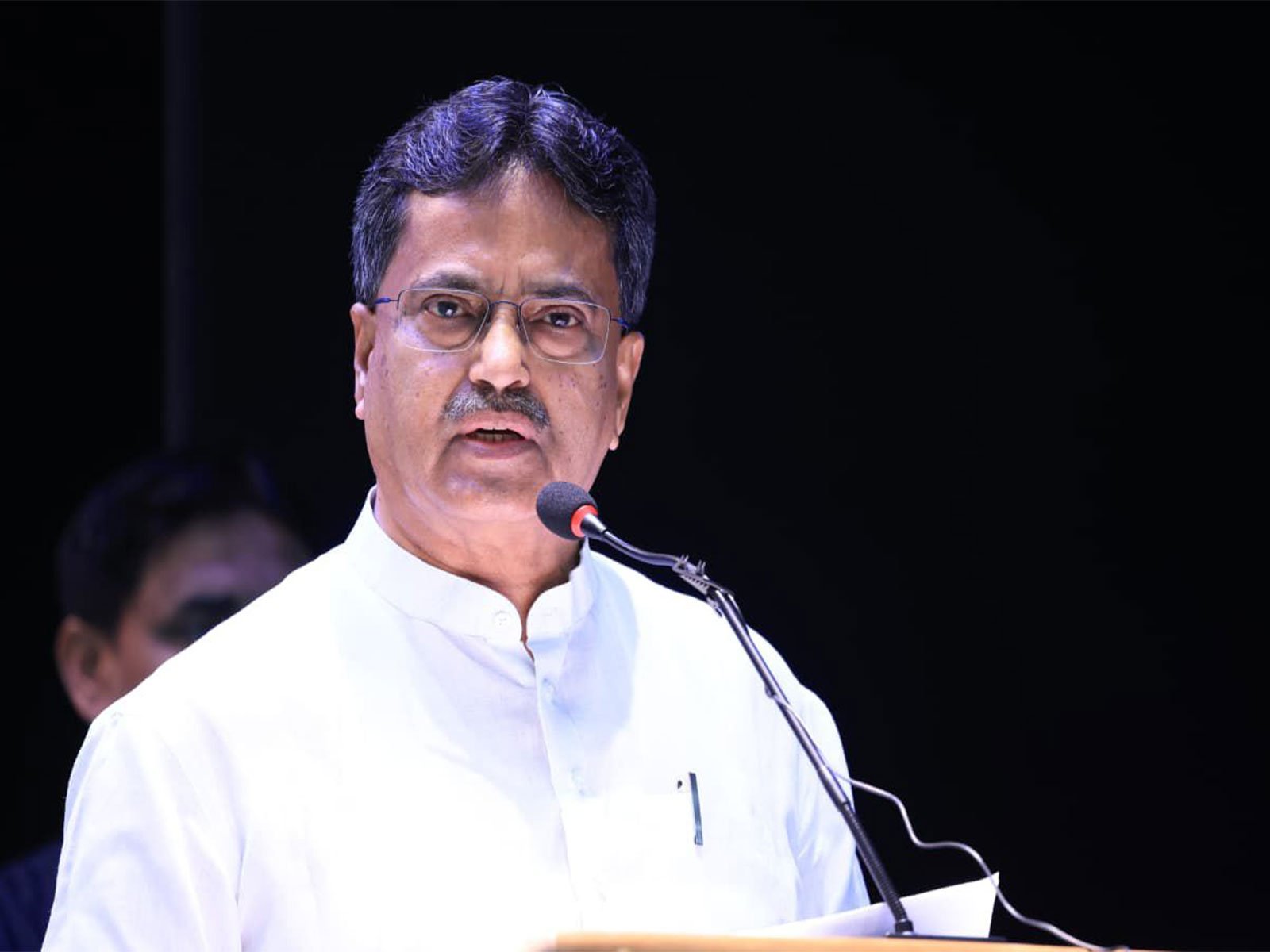
Tripura Chief Minister Manik Saha said on Monday, September 14, that his government was ready to implement the Uniform Civil Code (UCC). He made the statement during a press conference in the state.
Saha said the state government would follow the Centre’s direction on the issue. He added that Tripura would implement the UCC if the central government formally asked the state to do so.
“We read the matter in the media. If the Central government issues any direction, we will definitely implement the UCC,” Saha said.
His statement came one day after Union Home Minister Amit Shah said BJP-led NDA governments in 21 states would introduce the UCC before 2029.
The announcement has renewed the national debate around a common civil law. It has also placed Tripura among the states that could consider implementing the UCC in the coming years.
Read More: Manipur All-Party Meet Backs NRC Update to Protect Indigenous Identity
What Is the Uniform Civil Code?
The Uniform Civil Code seeks to create a common legal framework for personal matters. These matters include marriage, divorce, succession and live-in relationships.
At present, different religious communities can follow different personal laws in several areas. The UCC aims to establish common rules for such matters, regardless of a person’s religion.
The proposal has remained a major political and legal issue in India. Supporters argue that a common civil framework can promote equality before the law.
Critics, however, have raised concerns about religious freedom and cultural traditions. The debate becomes more complex in regions with distinct tribal customs and customary laws.
Tripura also has a significant tribal population. Therefore, the question of how the UCC would apply in tribal areas remains important.
Tribal Areas May Receive Different Treatment
While discussing the UCC, Saha referred to the possibility of an exemption for tribal areas.
“So far as I know, this may not be implemented in the state’s tribal areas,” he said.
The comment has drawn attention because Tripura has constitutionally recognised tribal areas under the Tripura Tribal Areas Autonomous District Council (TTAADC).
The TTAADC plays an important role in protecting tribal interests and managing several aspects of administration in its area.
Any future UCC framework would therefore need to consider existing constitutional provisions and customary practices. The Centre and state government would need to clarify how the proposed law would interact with these arrangements.
For now, Saha has not announced a separate implementation plan for Tripura. His statement instead indicates that the state will wait for clear directions from the central government.
Amit Shah’s 2029 UCC Target
Saha’s comments followed Amit Shah’s statement about the UCC. The Union Home Minister said BJP-led NDA governments in 21 states would introduce the common civil code before 2029.
The statement has given fresh momentum to the issue at the national level.
The BJP has supported the idea of a Uniform Civil Code for several years. The party has often linked the proposal with equal legal rights and uniformity in personal laws.
Several states have already explored the issue in different ways. Uttarakhand became the first state in independent India to implement a UCC in February 2024.
Other BJP-ruled states have also discussed possible legislation or committees to examine the subject.
Tripura could now join this wider group if the Centre issues a formal direction.
Tripura Awaits a Formal Direction
Despite expressing support for implementation, Saha did not announce a specific date for introducing the UCC in Tripura.
The Chief Minister clearly linked the state’s action to a direction from the central government. This means the next major step will depend on the Centre’s policy and legal framework.
The state government would also need to examine the law carefully before introducing it. Officials would have to consider its impact on different communities across Tripura.
The tribal areas could require particular attention because of their existing administrative and customary arrangements.
The government may also need to consult legal experts, community representatives and other stakeholders before putting a detailed framework in place.
Saha Announces Modi’s 25-Year Public Service Programme
During the same press conference, Saha announced a separate month-long programme to mark Prime Minister Narendra Modi’s 25 years in public service.
The programme will begin on September 17. It will highlight Modi’s political journey and his work in public welfare.
However, the Model Code of Conduct for the TTAADC Village Committee elections will initially affect the programme.
Saha said the initiative would gain pace from September 29. Polling will take place on September 28.
The state government plans to organise programmes across Tripura during the month-long initiative. These events will focus on welfare measures and the achievements of the Modi government.
Monitoring Committee to Oversee the Programme
The Tripura government has also formed a monitoring committee for the initiative.
Finance Minister Pranajit Singha Roy will head the committee. It will oversee the implementation of a 12-point programme across different levels.
The activities will cover cities, schools and anganwadi centres, among other locations.
State ministers, MLAs and other public representatives will also take part in the events.
The government expects the programme to reach people across different sections of society. Officials will coordinate activities at various levels to ensure wider participation.
UCC Debate Gains Momentum in Tripura
The Chief Minister’s statement has put the Tripura UCC debate in focus. His comments show that the state government remains open to implementing the common civil code.
However, the Centre must first issue a clear direction. The government must also address questions surrounding tribal areas and existing customary practices.
For Tripura, the UCC debate will involve both legal and social considerations. The state has diverse communities and a distinct tribal administrative structure.
As the Centre moves ahead with its broader UCC plans, Tripura’s position could become clearer.
For now, Saha has sent a clear message. If the Centre directs Tripura to implement the Uniform Civil Code, the state government says it is ready to act. The treatment of tribal areas, however, remains an important question that will require further clarification.