


Tensions in Manipur have resurfaced after a committee representing internally displaced persons (IDPs) strongly criticised remarks made by senior political leader Govindas Konthoujam regarding the return of displaced families. The committee termed the comments “insensitive” and “detached from ground realities,” triggering fresh debate over rehabilitation and safety concerns in the conflict-affected state.
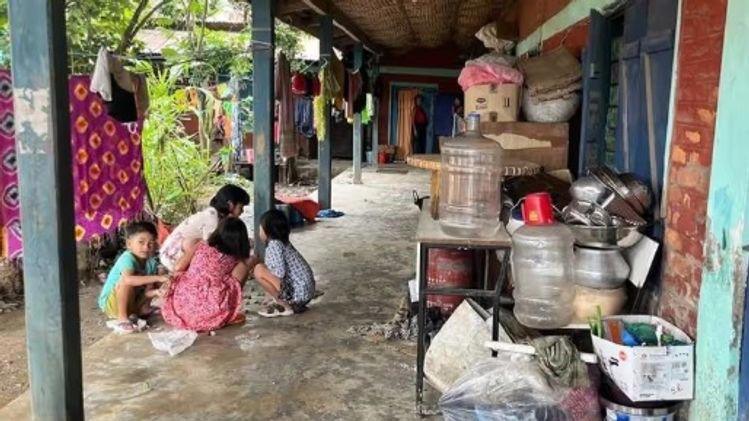
The controversy comes at a time when thousands of families in Manipur continue to live in relief camps following months of ethnic violence and unrest. While authorities have repeatedly spoken about restoring normalcy, many displaced individuals say conditions are still not conducive for a safe return.
Read More: Nagaland Assembly sends FNTA bill back to govt
IDP Committee Voices Strong Objection
The IDP committee, which represents displaced communities across several districts, expressed deep dissatisfaction with the remarks made by Govindas Konthoujam. According to the committee, suggesting that families should return without addressing core security and livelihood issues reflects a lack of understanding of their situation.
Members of the committee stated that many areas remain volatile, with sporadic incidents of violence and mistrust between communities. In such a scenario, they argued, pushing for a return could expose families to renewed risks.
Furthermore, the committee emphasized that rehabilitation is not just about returning home. It involves rebuilding houses, restoring livelihoods, ensuring access to education, and providing psychological support. Without these elements in place, any attempt to accelerate return efforts may prove counterproductive.
Context of the Remarks
The controversy stems from recent statements by Govindas Konthoujam, who reportedly suggested that displaced families should consider returning as part of efforts to normalize the situation in Manipur. While the remarks may have been intended to encourage stability, they have been widely interpreted as dismissive of ongoing challenges.
Political observers note that such statements often carry significant weight in sensitive environments. As a result, even well-intentioned comments can spark strong reactions if they are perceived to overlook ground realities.
The IDP committee has urged leaders to engage directly with displaced communities before making public statements. They believe that inclusive dialogue is essential to crafting effective and humane policies.
Ground Realities in Relief Camps
Life in relief camps across Manipur remains difficult for many displaced families. Overcrowding, limited resources, and uncertainty about the future continue to affect daily life.
Many residents have lost their homes, possessions, and sources of income. For them, returning is not just a logistical challenge but also an emotional and psychological hurdle. Fear and trauma remain significant barriers.
In addition, basic infrastructure in several affected areas has been damaged. Rebuilding these facilities requires time, resources, and coordinated efforts from multiple agencies. Until then, the prospect of returning home remains uncertain for many families.
Call for Comprehensive Rehabilitation Plan
The IDP committee has called on the government to prioritize a comprehensive rehabilitation plan. Such a plan, they argue, should address security, housing, healthcare, education, and employment.
Firstly, ensuring safety is paramount. Without adequate security measures, displaced families are unlikely to feel confident about returning. Increased deployment of security forces and confidence-building initiatives can help create a more stable environment.
Secondly, housing reconstruction must be accelerated. Many families cannot return simply because their homes no longer exist or are uninhabitable. Financial assistance and technical support can play a crucial role in rebuilding efforts.
Thirdly, livelihood restoration is essential. Providing job opportunities, skill training, and financial aid can help families regain independence and stability.
Political and Social Implications
The remarks by Govindas Konthoujam have also sparked broader political debate in Manipur. Opposition parties and civil society groups have weighed in, highlighting the need for sensitive handling of the crisis.
This episode underscores the importance of communication in conflict situations. Leaders must strike a balance between promoting optimism and acknowledging existing challenges. Failure to do so can lead to mistrust and further polarization.
At the same time, the situation highlights the resilience of displaced communities. Despite hardships, many continue to advocate for their rights and demand accountability.
Need for Dialogue and Trust-Building
Experts believe that rebuilding trust is key to resolving the crisis in Manipur. Dialogue between communities, supported by government initiatives, can help bridge divides and foster understanding.
Engaging with IDP representatives can provide valuable insights into their needs and concerns. Such engagement can also ensure that policies are more responsive and effective.
Moreover, confidence-building measures, including peace initiatives and community programs, can play a significant role in creating a conducive environment for return.
The Road Ahead
The controversy surrounding the remarks of Govindas Konthoujam serves as a reminder of the complexities involved in addressing displacement crises. While the goal of returning families to their homes is important, it must be pursued with caution and sensitivity.
In conclusion, the path to normalcy in Manipur requires a balanced approach that prioritizes safety, dignity, and long-term rehabilitation. The voices of displaced communities must remain at the center of decision-making processes. Only then can sustainable and meaningful solutions be achieved.
Read More: Arunachal Anti-Trafficking Operation Rescues Seven Women