


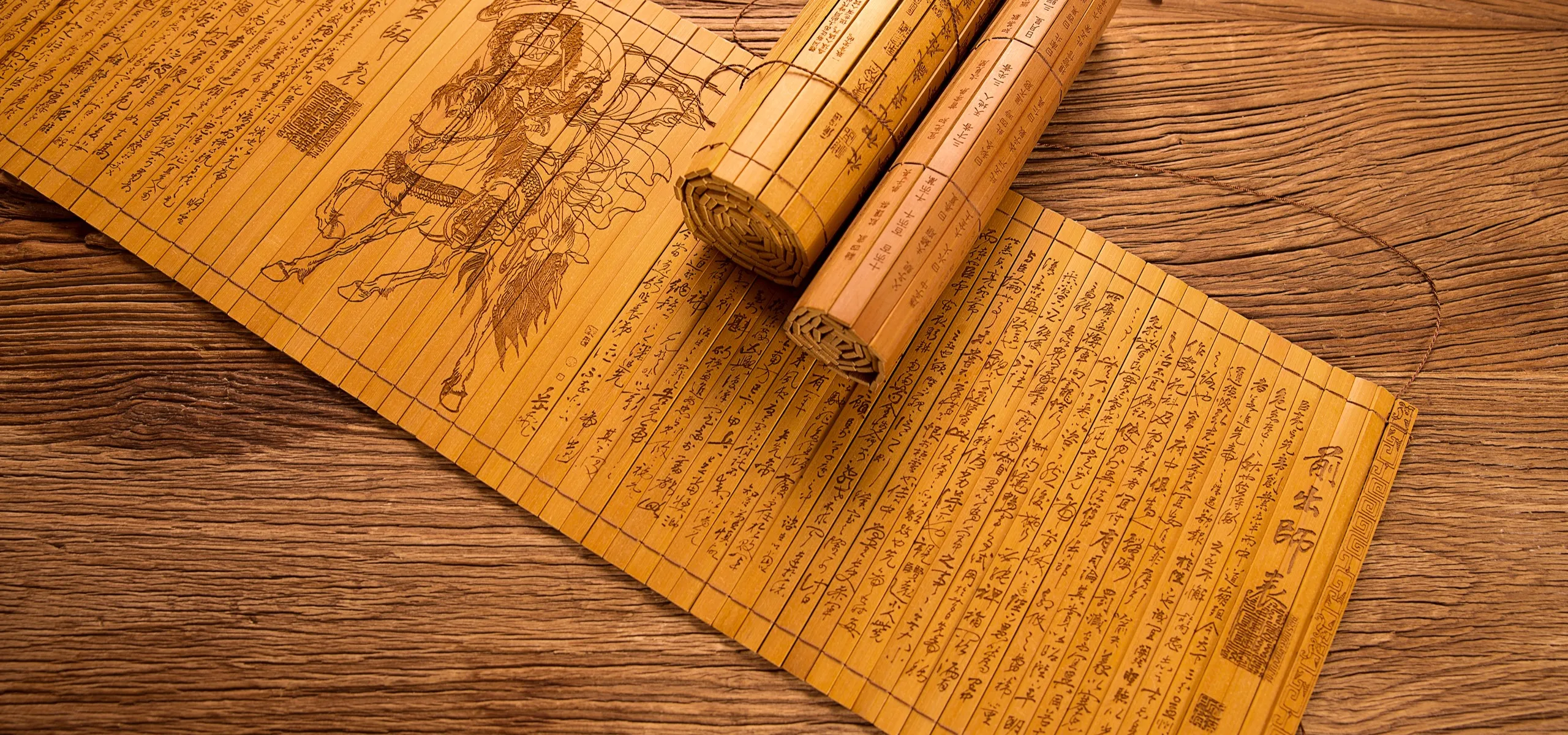
The Manipur State Museum has initiated a digital restoration project to preserve centuries-old royal scripts and manuscripts, marking a significant step toward safeguarding the state’s documentary heritage. The initiative focuses on digitizing fragile archival materials to prevent deterioration while improving long-term access for researchers and historians. Moreover, officials stated that the project reflects a broader shift toward modern conservation practices in cultural institutions. The effort underscores the importance of protecting historical records for future generations.
Assam Water Resources Department Employs Advanced Geo-Bags to Plug Erosion Gaps Along Brahmaputra
Digitization Effort to Protect Fragile Historical DocumentsAssam Water Resources Department Employs Advanced Geo-Bags to Plug Erosion Gaps Along Brahmaputra
Manipur state museum begins digital restoration of royal centuries-old scripts and manuscripts as part of an organized effort to preserve rare and delicate records. Consequently, museum specialists are carefully scanning and cataloguing manuscripts that hold historical significance.
These documents include royal decrees, administrative records, and traditional writings that provide valuable insight into Manipur’s historical governance and cultural evolution. Moreover, many of these manuscripts are vulnerable due to age, handling, and environmental conditions. Therefore, digitization is essential for their long-term preservation.
Officials emphasized that written archives are a vital part of cultural identity. Furthermore, digital preservation ensures that knowledge contained in these documents is not lost over time. As a result, scholars and institutions will benefit from improved access.
Meanwhile, conservation teams are following strict handling procedures. Consequently, risks to original materials are being minimized throughout the restoration process.
Improved Access for Academic and Historical Research
Manipur state museum begins digital restoration of royal centuries-old scripts and manuscripts with the goal of enhancing accessibility for research and education. Moreover, physical access to rare manuscripts is often limited due to preservation concerns. Therefore, digital formats offer a practical alternative.
The digitized materials are expected to be stored in secure archives for long-term use. Consequently, historians and researchers will be able to study them without risking damage to originals. Such measures support both preservation and knowledge dissemination.
Furthermore, the initiative is expected to encourage deeper academic engagement with Manipur’s history. As a result, the state’s archival heritage may receive wider scholarly attention.
Meanwhile, discussions are underway to make selected collections accessible through digital platforms. Similarly, educational institutions may integrate these resources into their studies.
Technology-Driven Cultural Preservation
The Manipur state museum begins digital restoration of royal centuries-old scripts and manuscripts as part of efforts to integrate technology into heritage conservation. Moreover, modern digitization tools help preserve delicate documents with higher accuracy and efficiency. Therefore, technology is becoming central to archival management.
Officials highlighted that digital restoration reduces the risk of irreversible damage to fragile materials. Consequently, long-term preservation becomes more reliable and sustainable. Such initiatives ensure continuity of historical knowledge.
Furthermore, collaboration with technical experts and archival specialists is being strengthened. As a result, the quality of preservation is expected to improve.
Meanwhile, training programs for museum staff are being considered to support digital archiving skills. Similarly, partnerships with academic institutions are being explored.
Strengthening Heritage Conservation Initiatives
The initiative reflects Manipur’s commitment to preserving its rich cultural and historical legacy. Moreover, museums play a crucial role in protecting and showcasing heritage materials. Therefore, modernization of archival systems is increasingly important.
Officials stated that similar digitization projects may be extended to other collections in the future. Consequently, broader efforts in cultural preservation are expected. Such measures support education and cultural awareness.
Furthermore, digitized archives may also enhance tourism and cultural promotion. As a result, Manipur’s historical significance could gain wider recognition.
Meanwhile, experts are exploring advanced preservation techniques for severely damaged manuscripts. Similarly, best practices from global institutions are being studied.
Conclusion
Manipur state museum begins digital restoration of royal centuries-old scripts and manuscripts, marking an important milestone in cultural preservation. Moreover, the initiative ensures that fragile historical documents are protected and made more accessible.
The project highlights the growing role of technology in safeguarding heritage. Therefore, it represents a meaningful step toward preserving Manipur’s historical identity for future generations.
As the Manipur state museum begins digital restoration of royal centuries-old scripts and manuscripts, the effort reflects a strong commitment to combining tradition with innovation in heritage conservation.
FAQs
1. What is the Manipur State Museum doing?
It is digitally restoring centuries-old royal scripts and manuscripts.
2. Why is digitization important?
It helps preserve fragile documents and prevents deterioration.
3. Who benefits from the project?
Researchers, historians, and educational institutions.
4. What types of documents are being restored?
Royal records, administrative texts, and historical manuscripts.
5. What is the main objective?
To preserve cultural heritage using modern digital technology.