


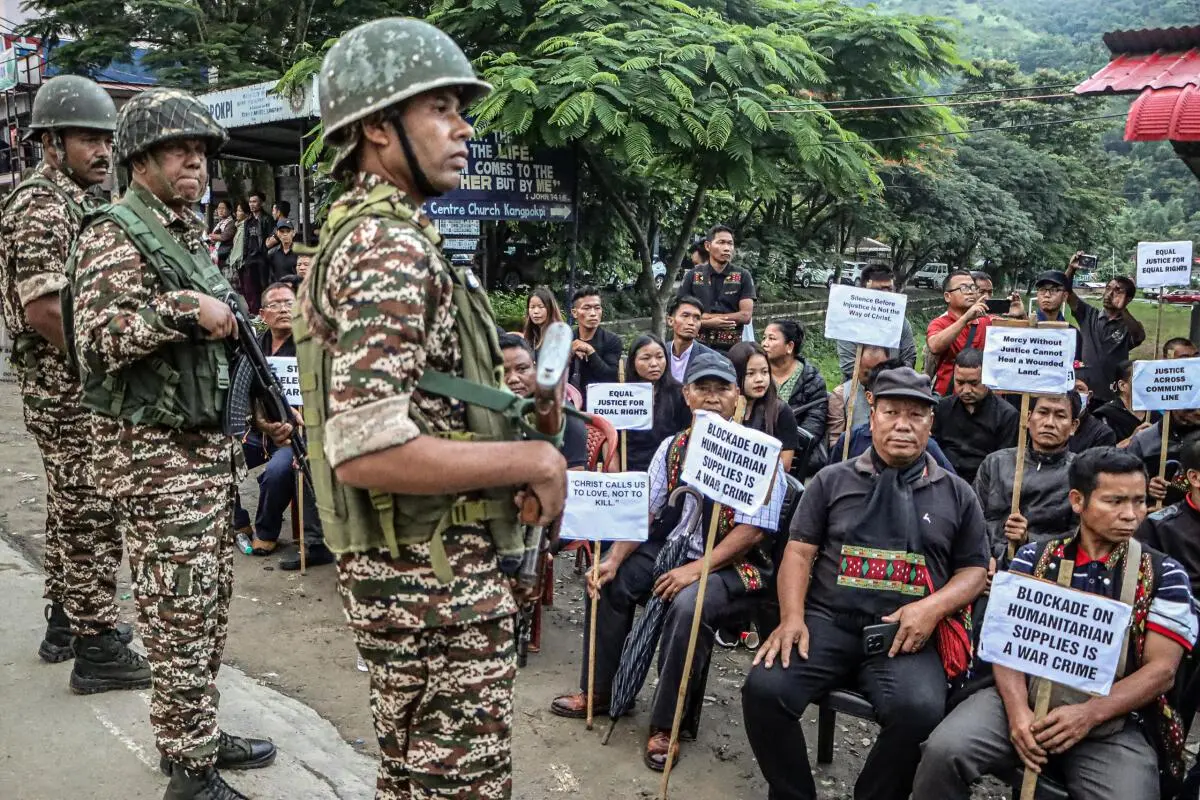
High-profile government and VIP movements in Manipur have reportedly faced disruption after strike enforcers erected bamboo and stone barricades at strategic locations. The blockades have affected movement and added to tensions surrounding the ongoing strike.
The restrictions have created difficulties for government officials and other high-profile travellers attempting to move through affected routes. Moreover, the use of physical barricades can disrupt ordinary traffic and essential services beyond the targeted movements.
However, the available information does not identify the organisation responsible for the blockades, the exact locations involved, or the number of VIP movements affected.
Dr. Thejo Kumari Amudala Honoured at Rashtriya Gourav Awards
Manipur VIP Movement Faces Disruptions
The Manipur VIP movement disruption follows the installation of bamboo and stone barricades by individuals enforcing the strike.
Such blockades can prevent vehicles from passing through designated routes and force travellers to alter their movements. Furthermore, restrictions involving major roads can affect government operations and routine transportation.
The reported action has therefore created an additional law-and-order challenge for authorities.
Bamboo and Stone Barricades Erected
The use of bamboo and stones provides a physical barrier capable of restricting vehicle movement.
Authorities may need to assess blocked roads and determine whether the barricades create risks for emergency services. Additionally, prolonged obstruction can affect residents who depend on the same routes for work, education, healthcare, and essential supplies.
The reported blockades therefore have consequences beyond VIP movements.
Strike Enforcement Intensifies Pressure
Strike enforcers appear to be using the blockades to strengthen compliance with the shutdown.
Such tactics can increase pressure on government authorities by restricting movement of officials and public representatives. Moreover, targeting high-profile movements can draw greater attention to the demands behind a strike.
However, disruption of public roads can also affect ordinary residents and essential services.
Government Operations Could Face Challenges
Government officials often need to travel between administrative offices and field locations.
Road blockades can delay official meetings, inspections, emergency responses, and other administrative activities. Furthermore, disruptions can make it more difficult for authorities to maintain normal services in affected areas.
Officials may therefore need alternative routes or security arrangements.
Essential Services Need Protection
During strikes, authorities generally need to ensure that essential services continue operating.
Ambulances, medical personnel, emergency responders, and other critical services may require unobstructed access. Additionally, authorities may need to coordinate with local communities to prevent blockades from interfering with emergency movement.
Maintaining access to essential services remains particularly important during periods of heightened tension.
Law-and-Order Concerns Increase
Physical road blockades can create additional security concerns.
Police may need to monitor affected areas and prevent confrontations between protesters, motorists, and security personnel. Moreover, authorities must balance maintaining public order with respecting lawful forms of protest.
A measured response can help prevent the situation from escalating.
Ordinary Commuters May Also Be Affected
Although the reported action targets high-profile movements, road blockades can disrupt everyone using affected routes.
Workers, students, traders, and other commuters may face delays or diversions. Furthermore, commercial vehicles can experience additional costs when they must take longer alternative routes.
The wider economic impact will depend on the duration and geographical spread of the blockades.
Political Message Behind the Blockades
Blocking VIP movements can serve as a visible political message.
Strike organisers may seek to demonstrate the strength of their mobilisation and pressure authorities to respond to their demands. Additionally, disruption involving senior officials can attract wider public and media attention.
However, the effectiveness of such tactics depends on whether authorities and protest representatives eventually reach dialogue.
Authorities Face a Delicate Situation
Government agencies must manage both public safety and the broader strike situation.
Removing barricades without adequate coordination could potentially lead to confrontation. Conversely, allowing prolonged obstruction could disrupt public movement and essential services.
Therefore, dialogue and careful law-and-order planning remain important.
What Happens Next?
Authorities are expected to monitor the affected routes and assess the impact of the barricades.
Depending on the circumstances, officials may negotiate with strike representatives, arrange alternative routes, or take lawful measures to restore movement. Furthermore, maintaining access for emergency services will likely remain a priority.
The situation could change quickly depending on developments surrounding the strike.
Conclusion
The reported Manipur VIP movement blockade has disrupted high-profile government travel after strike enforcers erected bamboo and stone barriers along affected routes. The action demonstrates the pressure tactics being used during the ongoing strike.
Moreover, the blockades can affect ordinary commuters, commercial transportation, and essential services in addition to VIP movements. At the same time, authorities face the challenge of restoring road access while preventing further escalation.
Overall, the Manipur road blockade highlights the broader law-and-order and mobility challenges created when strike enforcement involves physical obstruction of major routes.
FAQs
1. What happened in Manipur?
Strike enforcers reportedly erected bamboo and stone barricades that disrupted high-profile government and VIP movements.
2. Why were the barricades erected?
They were reportedly used to enforce an ongoing strike and increase pressure on authorities.
3. Could ordinary commuters be affected?
Yes. Road blockades can disrupt public transportation, commercial vehicles, workers, and other commuters using affected routes.
4. What should authorities prioritise?
Authorities should maintain public safety, protect emergency access, and seek peaceful dialogue while handling the blockade.
5. Has the blockade been removed?
The available information does not confirm whether authorities have removed all of the reported barricades.