


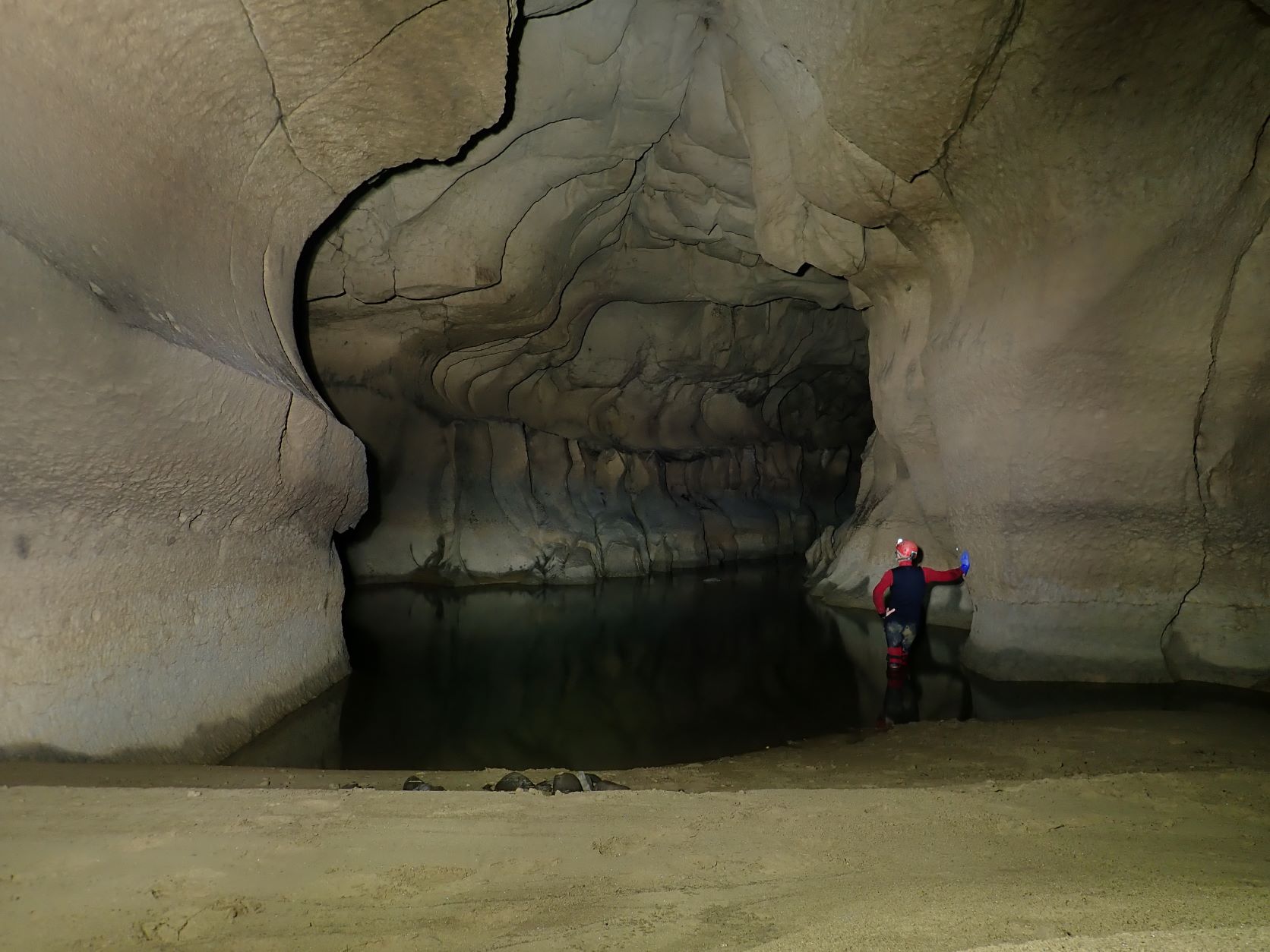
A cave exploration team in Meghalaya has successfully mapped three new limestone cave systems in the Jaintia Hills region, adding to the state’s already extensive network of natural underground formations. The discovery is expected to support geological research, biodiversity studies, and eco-tourism development in the region. Moreover, experts involved in the expedition stated that the newly documented systems reveal complex limestone structures shaped over thousands of years. The finding reinforces Meghalaya’s reputation as one of the richest cave landscapes in the world.
Tripura Industry Body Seeks Investment for Setting Up Dedicated Food Processing Parks
National Highway-10 Blocked Completely by Sudden Mudslides Near Rangpo, Cutting Off Sikkim
Discovery Expands Known Cave Networks in Jaintia Hills
Meghalaya cave exploration team maps three new limestone systems in Jaintia Hills, significantly expanding documented underground formations in the area. Consequently, researchers are gaining deeper insight into the geological evolution of the region.
The newly mapped systems include interconnected chambers, tunnels, and limestone deposits formed through natural erosion processes. Moreover, detailed surveying techniques were used to document their structure and extent. Therefore, the findings will serve as valuable data for future scientific studies.
Experts highlighted that Meghalaya’s karst terrain is among the most complex cave systems globally. Furthermore, continuous exploration helps uncover previously unknown formations. As a result, the state continues to attract speleologists and geoscience researchers.
Meanwhile, further expeditions are being planned to explore adjacent areas. Consequently, additional discoveries may be expected in the future.
Scientific Value for Geology and Biodiversity Research
Meghalaya cave exploration team maps three new limestone systems in Jaintia Hills, providing important opportunities for scientific research. Moreover, limestone caves often contain unique geological formations and ecosystems. Therefore, systematic documentation is essential for academic study.
Researchers believe that such cave systems may host specialized flora and fauna adapted to underground environments. Consequently, biodiversity assessments are likely to be conducted in the newly mapped areas. Such studies contribute to understanding ecological diversity.
Furthermore, cave formations provide clues about past climatic and geological conditions. As a result, the discovery may help researchers reconstruct environmental history.
Meanwhile, conservation experts are emphasizing the need to protect fragile cave ecosystems. Similarly, awareness campaigns about sustainable exploration are being encouraged.
Potential for Eco-Tourism Development
The Meghalaya cave exploration team maps three new limestone systems in Jaintia Hills, opening potential opportunities for eco-tourism growth. Moreover, Meghalaya is already known for its scenic caves and natural attractions. Therefore, the discovery could enhance the state’s tourism appeal.
Officials and tourism stakeholders suggest that responsible tourism could attract visitors interested in adventure and geology. Consequently, local communities may benefit from increased economic activity. Such initiatives support sustainable rural development.
Furthermore, guided exploration and regulated access could help preserve the integrity of the caves. As a result, tourism and conservation can be balanced effectively.
Meanwhile, infrastructure planning for eco-tourism is being evaluated. Similarly, promotional efforts for Meghalaya’s natural heritage are being strengthened.
Emphasis on Conservation and Sustainable Exploration
The discovery highlights the importance of balancing exploration with environmental protection. Moreover, cave ecosystems are highly sensitive to human interference. Therefore, conservation measures are essential.
Experts stressed that proper documentation and regulated access can help protect these underground systems. Consequently, authorities are expected to monitor future exploration activities closely. Such steps ensure long-term preservation.
Furthermore, collaboration between researchers and environmental agencies is being encouraged. As a result, sustainable exploration practices are likely to be strengthened.
Meanwhile, educational initiatives are being developed to raise awareness about cave conservation. Similarly, community involvement is being promoted.
Conclusion
Meghalaya cave exploration team maps three new limestone systems in Jaintia Hills, marking a significant contribution to geological research and natural heritage documentation. Moreover, the discovery is expected to support biodiversity studies and eco-tourism development.
The findings reinforce Meghalaya’s global importance as a cave-rich region with unique geological significance. Therefore, continued exploration and conservation efforts remain essential.
As the Meghalaya cave exploration team maps three new limestone systems in Jaintia Hills, the achievement highlights the value of scientific exploration in uncovering and preserving natural wonders.
FAQs
1. What has been discovered in Meghalaya?
Three new limestone cave systems in the Jaintia Hills.
2. Why is the discovery important?
It supports geological research and biodiversity studies.
3. Where are the caves located?
In the Jaintia Hills region of Meghalaya.
4. Can the discovery benefit tourism?
Yes, it may promote eco-tourism and adventure tourism.
5. Why is conservation important for caves?
Caves are fragile ecosystems that can be easily damaged.