


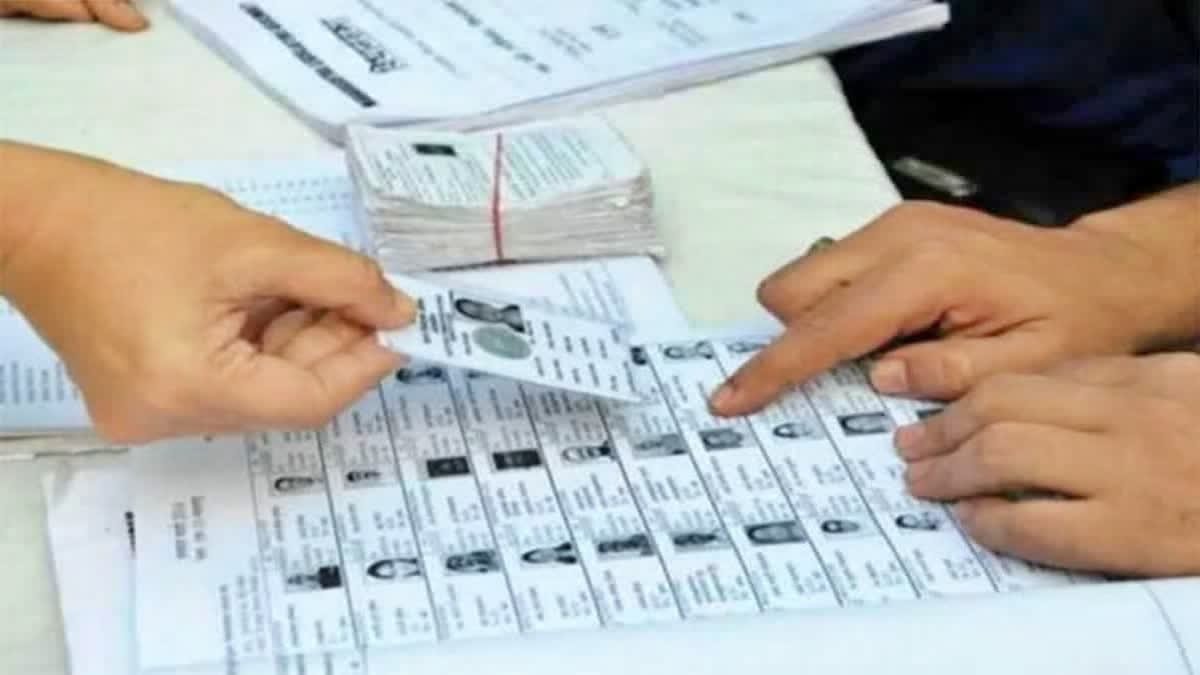
Meghalaya’s electoral roll has undergone a major change during SIR 2026, with more than 1.80 lakh names removed from the draft list following an extensive verification exercise. The development has drawn attention from political parties and voters as authorities work to update electoral records across the state.
The revision has focused on checking voter information through field-level verification and identifying records that require correction. Moreover, authorities can remove records involving deceased electors, duplicate registrations, shifted residents, and voters who could not be verified during the exercise.
However, the removal of names from a draft electoral roll does not automatically mean that more than 1.80 lakh eligible citizens have permanently lost their registration. The revision process provides mechanisms for claims, objections, and corrections before authorities publish the final list.
Census 2026 Delay Demands: Akoijam Focuses on National Register of Citizens
SIR 2026 Triggers Major Electoral Roll Change
The SIR 2026 exercise has significantly altered Meghalaya’s draft electoral roll.
Election officials have reviewed existing voter records to determine whether they remain accurate and eligible. Furthermore, field verification has helped authorities identify entries that may require removal, correction, or additional scrutiny.
The scale of the change has consequently attracted political attention.
However, the draft list remains subject to further review before officials finalise the electoral roll.
Why More Than 1.80 Lakh Names Changed
Several factors can contribute to a reduction in electoral-roll entries during intensive revision.
Officials may identify deceased electors, people who have permanently moved, duplicate registrations, or voters whose records could not be verified. Additionally, outdated information can remain on electoral databases when authorities do not receive timely updates.
SIR 2026 seeks to address these issues through systematic verification.
However, the statewide figure does not provide the reason for every individual omission.
House-to-House Verification Drives SIR
Field-level verification plays a central role in the revision.
Officials can visit households to determine whether registered electors still live at their recorded addresses. Moreover, direct verification can help identify changes that existing databases may not capture.
This process can improve the accuracy of electoral rolls.
However, temporary absence from a home does not necessarily mean that an elector has permanently shifted residence.
Deceased Electors Affect the Roll
Electoral databases can contain the names of deceased voters when authorities do not receive timely information.
SIR 2026 provides an opportunity to identify such records and update the electoral roll. Furthermore, information from other official records can assist authorities in confirming individual cases.
Removing confirmed deceased electors can prevent outdated entries from remaining active.
However, officials must verify such records before making final changes.
Migration Can Reduce Voter Numbers
Migration represents another factor that can affect electoral rolls.
Residents may move to other districts or states for employment, education, family reasons, or other circumstances. Additionally, some voters may maintain registrations at previous addresses even after permanently relocating.
Verification can identify such records.
However, authorities must distinguish permanent relocation from temporary absence.
Duplicate Registrations Face Scrutiny
Duplicate voter registrations can create inaccuracies within electoral databases.
Officials can compare records and investigate cases where the same person appears in multiple locations. Moreover, field verification can help determine whether suspected duplicate entries represent genuine registration issues.
Confirmed duplicate registrations can then undergo appropriate correction.
However, authorities should not remove an entry solely because a database flags it as a possible duplicate.
Missing Names Raise Political Concerns
The scale of the changes has prompted political interest in Meghalaya.
Opposition parties and other political organisations can compare the draft electoral roll with earlier lists and identify constituencies experiencing significant changes. Furthermore, they can encourage voters to verify their names and use official correction procedures.
Such monitoring can increase transparency.
However, a reduction in voter numbers does not automatically establish political interference or wrongdoing.
Draft Roll Is Not Final
The current SIR 2026 draft electoral roll represents an interim stage.
Eligible voters who cannot find their names can use the prescribed claims and objections mechanisms. Additionally, authorities can correct errors and restore eligible voters after reviewing individual cases.
The final electoral roll can therefore differ from the current draft.
However, affected electors need to act within the applicable deadlines.
Claims and Objections Protect Voters
Claims and objections provide an important safeguard during electoral-roll revision.
An eligible voter can request inclusion or correction when officials have omitted inaccurate information. Moreover, election authorities can review supporting documents and other relevant information before making a decision.
This process helps prevent genuine voters from remaining excluded because of administrative errors.
However, each application remains subject to the applicable eligibility and verification requirements.
Political Parties Monitor SIR 2026
Political parties have an interest in maintaining accurate electoral rolls.
They can examine changes at constituency and polling-station levels and encourage voters to verify their records. Furthermore, party representatives can raise concerns through the channels available under election rules.
Such scrutiny can contribute to accountability.
However, parties cannot make final decisions about voter eligibility.
Tribal and Rural Areas Need Attention
Electoral-roll changes can carry particular importance in Meghalaya’s tribal and rural constituencies.
Remote communities may face greater difficulties accessing election offices or digital services. Moreover, residents who work or study away from their homes may not immediately become aware of changes to their voter records.
Local outreach can help address these challenges.
However, election authorities must apply uniform procedures across all communities.
Digital Tools Support Verification
Digital electoral databases can assist officials during SIR 2026.
Authorities can compare records, identify potential duplicates, and update voter information more efficiently. Additionally, digital services can allow voters to check registration details where such facilities are available.
Technology can therefore support the revision process.
However, officials still need human verification for disputed cases.
Transparency Becomes Crucial
The scale of the voter-list reduction makes clear communication especially important.
Election authorities can explain the revision process, publish relevant procedures, and provide information about claims and objections. Furthermore, transparent communication can help voters distinguish between draft omissions and final deletions.
This can reduce confusion and misinformation.
However, transparency must also respect voter privacy.
Legal Scrutiny Could Follow
Electoral-roll disputes can sometimes lead to legal challenges.
Affected voters can first use administrative claims and objection mechanisms. Moreover, organisations or individuals may consider judicial remedies if they believe officials failed to follow applicable procedures.
The outcome of any legal case would depend on the facts and relevant law.
However, the removal of 1.80 lakh names alone does not establish an unlawful process.
Voters Should Check Their Names
SIR 2026 highlights the importance of individual voter verification.
Electors should check whether their names appear on the relevant electoral roll and confirm that their registration information remains accurate. Additionally, voters who identify problems should use official correction mechanisms promptly.
Early action can reduce the risk of registration difficulties during an election.
However, citizens should rely on official election authorities rather than unofficial lists shared online.
Final Roll Could Restore Names
The final electoral roll may contain more names than the current draft.
Successful claims can restore eligible electors, while corrections can update inaccurate records. Furthermore, new eligible voters can enter the electoral roll during the revision process.
The final electorate will therefore depend on the outcome of these stages.
However, authorities must complete the required verification before publishing the final list.
Conclusion
The Meghalaya electoral roll has undergone a major revision under SIR 2026, with more than 1.80 lakh names removed from the draft list after extensive voter verification. The exercise aims to improve the accuracy of electoral records by identifying deceased electors, shifted residents, duplicate registrations, and other entries requiring further review.
Moreover, the draft reduction should not automatically be treated as the permanent exclusion of more than 1.80 lakh eligible voters. Claims, objections, corrections, and further verification can change the composition of the final electoral roll.
Overall, the Meghalaya SIR 2026 exercise highlights the importance of maintaining accurate voter records while protecting the registration rights of eligible citizens. The credibility of the process will depend on transparent verification, accessible correction mechanisms, and careful handling of disputed voter entries.
FAQs
1. How many names were removed from Meghalaya’s draft electoral roll?
More than 1.80 lakh names were removed or omitted from the draft electoral roll during the SIR 2026 revision process.
2. Why were so many names removed?
Possible reasons include deceased voters, permanent migration, duplicate registrations, outdated records, and voters who could not be verified during the exercise.
3. Does removal from the draft mean permanent deletion?
No. Eligible voters can use claims, objections, and correction procedures before authorities finalise the electoral roll.
4. Can voters restore their names?
Eligible voters can seek inclusion or correction through the prescribed electoral process, subject to verification.
5. Could the final electoral roll contain more voters?
Yes. Successful claims, corrections, and new eligible registrations can change the final number of electors.