


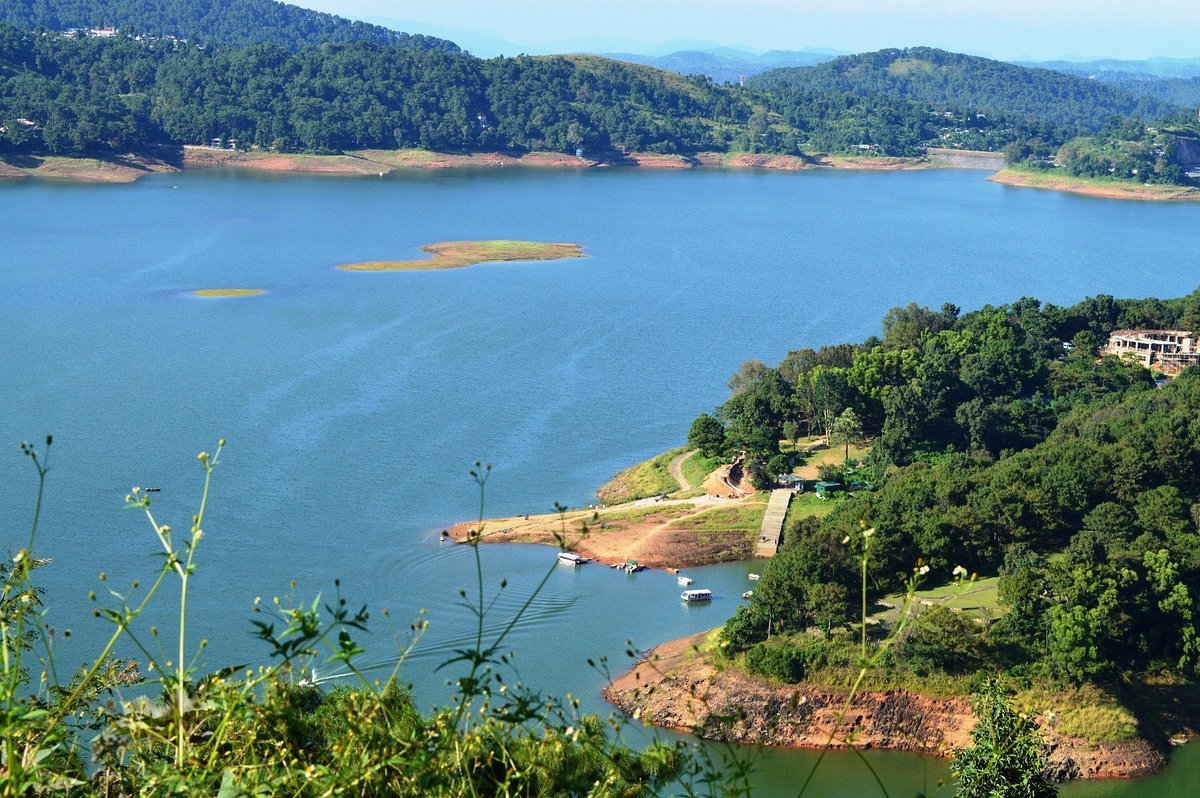
The Meghalaya wetland conservation efforts have intensified as pressure groups demand Ramsar status for key wetlands. Activists aim to secure legal protection and preserve biodiversity. The Meghalaya wetland conservation efforts highlight growing environmental awareness. Authorities now face calls to act swiftly on the proposal.
Meghalaya Wetland Conservation Efforts Gain Momentum
The Meghalaya wetland conservation efforts have gained significant attention as environmental groups push for stronger protection measures. Activists have urged the government to seek Ramsar status for important wetlands across the state. This move aims to safeguard fragile ecosystems and promote sustainable management.
Pressure groups have emphasized that wetlands play a crucial role in maintaining ecological balance. Therefore, they have called for immediate action to prevent degradation. The demand has sparked discussions among policymakers and conservationists.
Demand for Ramsar Status Strengthens Protection
The Meghalaya wetland conservation efforts focus on securing Ramsar recognition for key sites. Ramsar status provides international acknowledgment and legal support for wetland protection. It also encourages better management practices and conservation funding.
Activists believe that such recognition will help preserve biodiversity and water resources. Moreover, it will increase awareness about the importance of wetlands. As a result, the demand continues to gain traction across the region.
Importance of Wetlands in Meghalaya
The Meghalaya wetland conservation efforts highlight the ecological value of these natural habitats. Wetlands support diverse plant and animal species, many of which depend entirely on these ecosystems. They also help regulate water flow and prevent flooding.
In addition, wetlands contribute to climate resilience by storing carbon and maintaining environmental stability. Therefore, protecting them remains essential for long-term sustainability. Experts have repeatedly stressed the need for proactive conservation strategies.
Role of Pressure Groups and Civil Society
Civil society organizations have played a key role in advancing Meghalaya wetland conservation efforts. They have organized campaigns, awareness drives, and policy discussions to highlight the issue. Their consistent advocacy has brought the matter into the public spotlight.
Furthermore, these groups have collaborated with experts to present data supporting their demands. This evidence-based approach strengthens their case for Ramsar status. Consequently, authorities face increasing pressure to respond.
Government Response and Policy Considerations
The wetland conservation efforts have prompted the government to review existing policies. Officials are evaluating the feasibility of applying for Ramsar status. They are also considering the administrative and environmental implications.
Authorities have acknowledged the importance of wetlands and the need for protection. However, they must complete detailed assessments before taking formal steps. Therefore, the decision will require careful planning and coordination.
Challenges in Securing Ramsar Recognition
The Meghalaya wetland conservation efforts may encounter challenges in achieving Ramsar status. Authorities must meet strict criteria related to ecological significance and management plans. They also need to ensure proper documentation and long-term conservation commitments.
Additionally, balancing development needs with environmental protection can prove complex. Nevertheless, experts believe that these challenges can be addressed through strategic planning. As a result, stakeholders continue to advocate for progress.
Long-Term Benefits of Wetland Protection
The wetland conservation efforts can deliver significant long-term benefits. Protected wetlands support biodiversity, improve water quality, and enhance climate resilience. They also create opportunities for eco-tourism and sustainable livelihoods.
Moreover, Ramsar recognition can attract global attention and funding. This support can strengthen conservation initiatives and infrastructure. Therefore, the push for protection aligns with both environmental and economic goals.
Tripura Agarwood Sector Boom: ₹2000 Crore Target Set to Transform Economy
Conclusion
The wetland conservation efforts have entered a crucial phase as pressure groups demand Ramsar status for key ecosystems. The initiative highlights the importance of protecting natural resources and preserving biodiversity. While challenges remain, continued advocacy and government action can ensure progress. The outcome will shape the future of environmental conservation in the state.
Assam Forest Office Attack Shocker: 15 Arrested in Chirang Violence
FAQs
1. What are the Meghalaya wetland conservation efforts about?
They involve initiatives to protect wetlands and secure Ramsar status for key ecosystems.
2. What is Ramsar status?
It is an international recognition that promotes the conservation and sustainable use of wetlands.
3. Why are wetlands important?
Wetlands support biodiversity, regulate water flow, and help maintain ecological balance.
4. Who is pushing for this initiative?
Civil society groups and environmental organizations are leading the Meghalaya wetland conservation efforts.
5. What challenges exist in getting Ramsar status?
Authorities must meet strict criteria and balance conservation with development needs.