

, exposing discrimination against Northeast communities.)
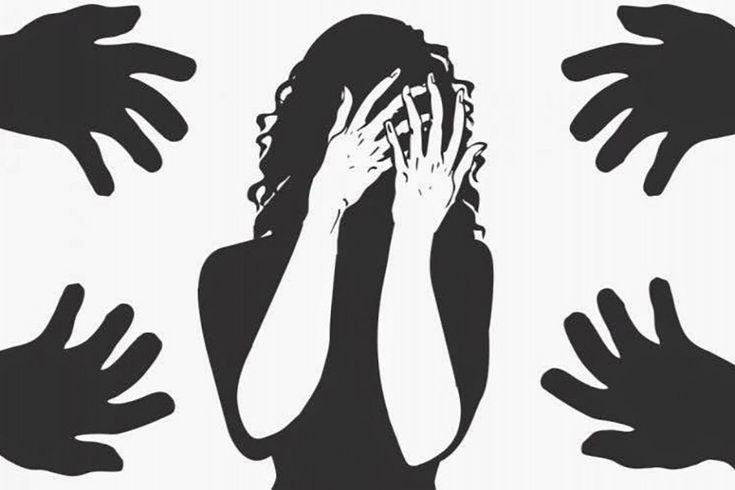
A woman from Meghalaya has publicly revealed she was subjected to racial abuse in Delhi — once in Kamla Nagar and again inside a Delhi Metro train — in separate but same-day incidents. The emotional account brings to the fore the persistent racial prejudice faced by people from Northeast India in metropolises across the country.
In her social media video, the woman described how groups of men hurled slurs like “Ching Chong China” at her, mocking her appearance and language. The Delhi Police have acknowledged the allegations and initiated a probe, though no formal complaint has yet been filed.
Racial Abuse in Delhi: Meghalaya Woman’s Account Goes Viral
According to her narration, the first incident took place in Kamla Nagar, a busy Delhi locality popular with students. She says she was walking when a group of three to four men on a scooter shouted racial slurs at her. “As soon as I heard that, I turned back … they all started laughing,” she said.
Minutes later, while traveling inside a Delhi Metro train, another man allegedly taunted her with the same kind of slur, which prompted laughter from other passengers. “This was the second time it happened to me in one day,” she said.
She lamented how, in her own country, these strangers made her feel like she does not belong. “They make fun of me just because I look like this,” she said.
Why This Incident Matters
This incident is not an isolated case but part of a pattern of racial discrimination faced by people from Northeast India in other parts of the country. Historical and recent reports show repeated abuse—verbal, social and sometimes physical—directed at northeastern communities, often tied to appearance, language, and perceived foreignness.
The woman’s video—and her plea to viewers to confront racism—has struck a chord in social media circles and among civil society groups. She urged the public not to remain silent, saying, “Racism thrives in silence.”
Government and Public Response to Racial Abuse Cases
Delhi Police officials have said they are taking note of the allegations. They are reviewing CCTV footage from Kamla Nagar and the metro station to verify her claims and identify any perpetrators. However, as of now, she has not filed a formal first information report (FIR).
A senior officer confirmed that police are probing, but emphasized that no formal complaint has been lodged yet.
Deeper Roots of Prejudice Against Northeastern Communities
The Northeast is home to diverse ethnicities, languages, and physical characteristics. Unfortunately, this diversity often becomes a target for ignorance and bias in other parts of India. Over the years, many from the region have shared similar stories—being called derogatory names, being asked where they are “from,” or being treated as outsiders in their own country.
During the COVID-19 pandemic, instances of racial abuse surged, with some blaming Northeasterners for spreading the virus. Activists have pushed for better protection and sensitization efforts.
Dr. Alana Golmei, founder of the North East Support Center & Helpline, has long campaigned against such discrimination and has been a face for many who face abuse in Delhi and beyond.
Voices Demand Accountability & Change
Civil society organizations, human rights groups, and community leaders have called for swift action. They demand:
- Legal accountability: Fast FIR registration and investigation in such cases.
- Awareness campaigns: Educating people about racial sensitivity and cultural respect.
- Protection mechanisms: Hotlines, support systems, and help desks for victims from the Northeast.
- Policy reforms: Strengthening anti-discrimination laws and ensuring enforcement.
Many have also urged social media users to amplify stories like her’s so that silence does not shield injustice.
The Way Forward — Unity & Zero Tolerance
The woman’s brave decision to document her experience could spark a larger conversation about racism within India and the need for solidarity across states and communities. She asked not only for justice for herself, but also for every person ever made to feel othered in their own country.
As the investigation proceeds, the public’s eyes are on the Delhi Police and judicial authorities to deliver accountability. But beyond that, what must change is mindset. Every Indian must acknowledge diversity as strength—not difference as alien.
READ MORE: Assam Flood Aid: Centre Approves ₹708 Crore for Recovery